800-262-4205
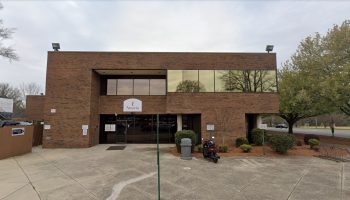
Carolina Center for Recovery


About Carolina Center for Recovery
Carolina Center for Recovery has a 16 bed medical detox unit on a 23 acre campus. The detox center in Charlotte, North Carolina serves adults 18 and over from across the state. They can even offer same day admissions when they have availability.
Medical Coverage During Detox
Every shift on the detox unit carries two licensed nurses who are either LPNs or RNs, plus a licensed clinician and a clinical director. A medical provider oversees the care here too.
The center runs its medication assisted detox under the Medical Director’s oversight, with specialized protocols for methadone at high doses up to 100mg. They’ll closely monitor your medication support, with daily provider consultations over the course of detox.
Post Detox Rehab
After detox, you can move into residential rehab here seamlessly on the same campus, with 24 hour structured care and 4 to 5 hours of clinical treatment a day. They have established aftercare as well that can help you stay sober long after your program.
The center is in network with major insurance companies, and most clients pay a copay, coinsurance or deductible. People without insurance have flexible payment options and financing available.
| Levels of Care | Detox Service Setting | Programs | Payment Options | |
|---|---|---|---|---|
|
Inpatient
|
Outpatient
|
Partial hospitalization programs provide comprehensive treatment in a structured setting during the day but allow you to return home at night. These programs offer a balance of inpatient and outpatient rehab and provide intensive support without full-time residency. |
Dual Diagnosis
|
Aftercare programs provide ongoing support once you complete a rehab program. They may include several components to help you maintain sobriety, including therapy, community support groups, and relapse-prevention strategies. This gives you a network of resources as you reintegrate into your daily life. |
|
Inpatient detox occurs in a dedicated treatment facility. You’ll live there around the clock and receive intensive medical support and supervision to help manage your withdrawal symptoms. It is suitable for individuals with moderate to severe addictions as it ensures a stable detox environment. |
Outpatient detox gives you access to medically supervised withdrawal services while still allowing you to live at home. You’ll attend a clinic for treatment and monitoring. This flexible option is suitable for those with mild to moderate withdrawal symptoms who have strong support systems. |
|||
|
Alcohol detox programs offer medical support to help individuals withdraw safely from alcohol. Your care team may use medications to ease your symptoms and provide medical monitoring to address complications.
|
Drug detox programs support individuals who are withdrawing from addictive substances like cocaine and heroin. Medical support helps you manage symptoms in a controlled and safe environment so you can achieve initial sobriety.
|
Adult programs address the substance use and life challenges specific to adults. Therapists can deliver sessions in individual, group, and family settings. Services often include job support and life-skills training in a structured environment.
|
Cognitive behavioral therapy focuses on changing harmful thought patterns and behaviors associated with addiction. You’ll learn healthier coping mechanisms by identifying and replacing negative thoughts. This improves your emotional resilience and decreases your relapse potential.
|
EMDR stands for eye movement desensitization and reprocessing. This type of therapy helps you process traumatic memories that may underlie addiction. You’ll learn how to reduce emotional distress and begin healing from past events. This makes it effective for trauma-related addiction causes.
|
|
Private Insurance
|
Self Pay
|
Levels of Care
Partial hospitalization programs provide comprehensive treatment in a structured setting during the day but allow you to return home at night. These programs offer a balance of inpatient and outpatient rehab and provide intensive support without full-time residency.
Aftercare programs provide ongoing support once you complete a rehab program. They may include several components to help you maintain sobriety, including therapy, community support groups, and relapse-prevention strategies. This gives you a network of resources as you reintegrate into your daily life.
Detox Service Setting
Inpatient detox occurs in a dedicated treatment facility. You’ll live there around the clock and receive intensive medical support and supervision to help manage your withdrawal symptoms. It is suitable for individuals with moderate to severe addictions as it ensures a stable detox environment.
Outpatient detox gives you access to medically supervised withdrawal services while still allowing you to live at home. You’ll attend a clinic for treatment and monitoring. This flexible option is suitable for those with mild to moderate withdrawal symptoms who have strong support systems.
Programs
Accepted Insurance
Contact



Nikki Wisher is an Atlanta-based content writer with over a decade of experience specializing in health and wellness. While she spends most of her days writing about various aspects of health, from addiction recovery to fitness to skin care, she also writes content in many other areas like photography, beauty, and marketing. Her passion project is her inclusive running blog, forallrunners.com.
Detox.com regularly reviews this listing for accuracy but changes may occur between updates. For the most up-to-date information, please contact Carolina Center for Recovery.