800-262-4205
Consortium

About Consortium
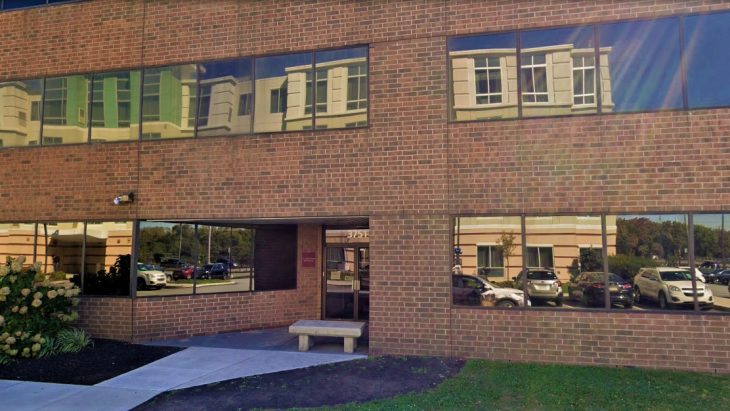
The Consortium’s University City Recovery Center in Philadelphia provides outpatient mental health and addiction treatment services to Pennsylvania women and families. Support extends to LGBTQ+ folks, veterans, individuals with HIV or AIDS, pregnant and postpartum individuals, and clients with concurrent mental health issues, as well as survivors of sexual or domestic abuse.
The center accepts Medicare, Medicaid, and other state-financed health plans. Government funding, private insurance plans, and self-pay are also options. They’re open on weekdays and mornings on weekends.
Medication-Assisted Treatment (MAT) for Substance Abuse in Pennsylvania’s Largest City
MAT here is used to support individuals struggling with opiate dependence, and uses FDA-approved medications like methadone, Vivitrol, Suboxone, and buprenorphine. This is offered on an outpatient basis, alongside individual and group counseling.
Outpatient Drug Rehab Programming in Philadelphia
While here, you can choose between standard outpatient, and intensive outpatient programming (IOP). Both are flexible and allow you to keep up a regular work, study or childcare schedule alongside your recovery efforts.
As for the counseling, expect to engage in cognitive behavioral therapy (CBT), prolonged exposure therapy for PTSD, trauma-focused therapy, and client-centered therapy. It depends on the details of your tailored care plan. Family and couples counseling are also available. Their 12-step education sessions also take place on a regular basis, while employment assistance is also offered to help you get back on your feet post-recovery.
Care coordination and peer support services are also provided. If you like outdoor excursions, you and your peers can set up trips to the nearby University City District, Clark Park, or the Philadelphia Museum of Art. The Schuylkill River Trail also isn’t too far away.
| Levels of Care | Detox Service Setting | Programs | Payment Options | |||
|---|---|---|---|---|---|---|
|
Outpatient therapy involves attending therapy sessions several times each week while living at home. This is suitable if you have a strong support system and a lower risk of relapse. Outpatient treatment offers flexibility to maintain other obligations such as work or school. |
||||||
|
Outpatient detox provides access to medically supervised withdrawal services while still allowing the individual to live at home. Treatment and monitoring are provided. This flexible option is suitable for those with mild to moderate withdrawal symptoms who have strong support systems. |
||||||
|
Adult programs address the substance use and life challenges specific to adults. Therapists often deliver sessions in individual, group, and family settings. Job support and life skills training can also be provided.
|
Alcohol detox programs offer medical support to achieve safe withdraw from alcohol. Your care team may use medications to ease withdrawal symptoms. They also provide medical monitoring to address complications.
|
Drug detox programs support individuals who are withdrawing from addictive substances like cocaine and heroin. Medical support helps individuals manage symptoms in a controlled and safe environment.
|
Men's programs address substance use issues as well as social pressures, family roles, and mental health concerns that are specific to men. Participants learn healthy coping mechanisms, emotional resilience, and communication skills.
|
Opioid detox uses medications to ease severe withdrawal symptoms. It also includes medical supervision to manage potential complications. These services allow individuals to stabilize and start a recovery plan.
|
Women's programs offer a safe and supportive space to focus on gender-specific issues such as trauma, family roles, and mental health conditions. Therapy sessions address women's needs and foster empowerment in a healing and nurturing environment.
|
Young adult programs are designed for individuals who are transitioning into adulthood. Discussion topics typically include identity, independence, and peer relationships. Participants may also receive life skills training and career support.
|
|
Payment Assistance
|
Medicaid
|
Medicare
|
Private Insurance
|
Self Pay
|
Levels of Care
Outpatient therapy involves attending therapy sessions several times each week while living at home. This is suitable if you have a strong support system and a lower risk of relapse. Outpatient treatment offers flexibility to maintain other obligations such as work or school.
Detox Service Setting
Outpatient detox provides access to medically supervised withdrawal services while still allowing the individual to live at home. Treatment and monitoring are provided. This flexible option is suitable for those with mild to moderate withdrawal symptoms who have strong support systems.
Programs
Accreditations

Accepted Insurance
Contact



Lauren wears many hats, and works as a holistic deep tissue massage therapist, content strategist, and copywriter. She’s been writing copy and dreaming up content for a number of brands for almost 10 years, having worked with a mixture of B2B and B2C brand. Some of her more notable clients include adidas, Gucci, Pepsi, and Hotels.com. A skilled editor and copywriter, she also enjoys planning content for social media and brand marketing campaigns.

Peter W.Y. Lee is a historian with a focus in American Cold War culture. He has examined how popular culture has served as a coping mechanism for the challenges and changes impacting American society throughout the twentieth century.
Detox.com regularly reviews this listing for accuracy but changes may occur between updates. For the most up-to-date information, please contact Consortium.