800-262-4205
Cumberland Heights Treatment Center Clarksville

About Cumberland Heights Treatment Center Clarksville
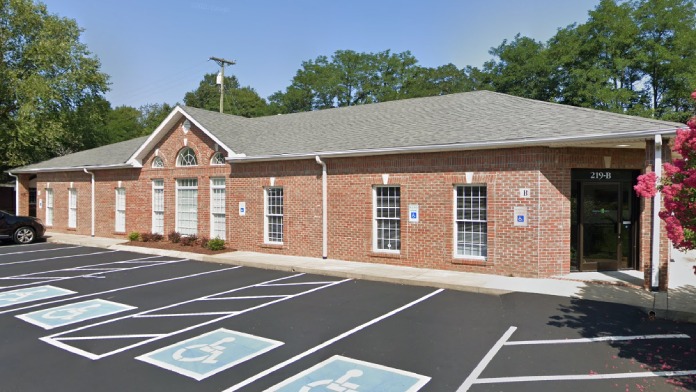
Cumberland Heights Treatment Center Clarksville is an outpatient treatment facility in Middle Tennessee. Established in 1966, they provide intensive and standard treatment for adults battling substance abuse and co-occurring disorders.
You can access withdrawal management services at their River Road location in Nashville. They accept most major insurance plans, including Aetna, Blue Cross Blue Shield, Cigna, and TRICARE.
Accessible Care for Your Convenience
Their outpatient programs provide individual, group, and family therapy, as well as psychoeducation. I like that they provide flexible treatment options. You can access morning, afternoon, and evening groups in person. They also provide virtual options if you can’t make it to the office.
Supporting Recovery with Experiential Therapies
What stands out most to me is that they incorporate experiential therapies into treatment. You can participate in art therapy, adventure therapy, writing, yoga, sound healing, and more. These interventions can help you find new self-expression outlets while providing a hands-on approach to healing.
They don’t offer detox or medication assisted treatment in their outpatient offerings. However, they can refer you to an inpatient center that offers acute care if need be.
Finding Deeper Meaning in Recovery
I also think it’s beneficial that they offer spiritual care. They blend spirituality with proven behavioral approaches to enhance your journey. You can participate in mindfulness practices, meditation, support groups, and more. They also provide private sessions with their spiritual care directors.
Recovery in Clarksville
Clarksville provides several opportunities to explore the outdoors and supplement your recovery journey. Their facility is close to multiple green spaces, including Rotary Park, Dunbar Cave State Park, Liberty Park, and the Clarksville Marina. You can enjoy the healing powers of nature during your downtime.
| Levels of Care | Detox Service Setting | Programs | Payment Options |
|---|---|---|---|
|
Inpatient and residential programs provide round-the-clock medical and emotional support as you live at the treatment facility. This level of care may be recommended if you have severe addictions or mental health conditions since it removes outside distractions and allows you to focus solely on therapy. |
In outpatient therapy, you’ll attend therapy sessions several times each week while living at home. This is ideal if you have a strong support system and a lower risk of relapse. Outpatient treatment offers flexibility to maintain work, school or family obligations. |
||
|
Inpatient detox occurs in a dedicated treatment facility. You’ll live there around the clock and receive intensive medical support and supervision to help manage your withdrawal symptoms. It is suitable for individuals with moderate to severe addictions as it ensures a stable detox environment. |
Outpatient detox gives you access to medically supervised withdrawal services while still allowing you to live at home. You’ll attend a clinic for treatment and monitoring. This flexible option is suitable for those with mild to moderate withdrawal symptoms who have strong support systems. |
||
|
Alcohol detox programs offer medical support to help individuals withdraw safely from alcohol. Your care team may use medications to ease your symptoms and provide medical monitoring to address complications.
|
Drug detox programs support individuals who are withdrawing from addictive substances like cocaine and heroin. Medical support helps you manage symptoms in a controlled and safe environment so you can achieve initial sobriety.
|
||
|
Private Insurance
|
Self Pay
|
Levels of Care
Inpatient and residential programs provide round-the-clock medical and emotional support as you live at the treatment facility. This level of care may be recommended if you have severe addictions or mental health conditions since it removes outside distractions and allows you to focus solely on therapy.
In outpatient therapy, you’ll attend therapy sessions several times each week while living at home. This is ideal if you have a strong support system and a lower risk of relapse. Outpatient treatment offers flexibility to maintain work, school or family obligations.
Detox Service Setting
Inpatient detox occurs in a dedicated treatment facility. You’ll live there around the clock and receive intensive medical support and supervision to help manage your withdrawal symptoms. It is suitable for individuals with moderate to severe addictions as it ensures a stable detox environment.
Outpatient detox gives you access to medically supervised withdrawal services while still allowing you to live at home. You’ll attend a clinic for treatment and monitoring. This flexible option is suitable for those with mild to moderate withdrawal symptoms who have strong support systems.
Programs
Contact



Mariah Bourne earned a Master of Arts in Community Social Psychology from the University of Massachusetts Lowell. She has worked as a research associate on addiction and treatment studies, including opioid craving interventions. Today, she is a freelance writer. She’s passionate about sharing knowledge and resources to help others start their recovery journey.

Peter W.Y. Lee is a historian with a focus in American Cold War culture. He has examined how popular culture has served as a coping mechanism for the challenges and changes impacting American society throughout the twentieth century.
Detox.com regularly reviews this listing for accuracy but changes may occur between updates. For the most up-to-date information, please contact Cumberland Heights Treatment Center Clarksville.