800-262-4205
 Sponsored
 303-586-6737
About Denver Women’s Recovery
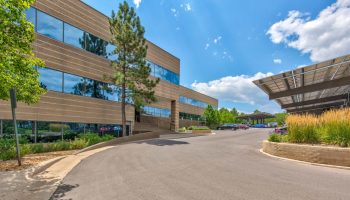
Denver Women’s Recovery is a gender specific addiction treatment center in Denver, Colorado, offering outpatient programs and sober living services designed exclusively for women seeking recovery from substance use disorders. The center provides Partial Hospitalization, Intensive Outpatient, standard outpatient care and supportive recovery residences to meet women at every stage of their journey. With a trauma informed, dual diagnosis approach, Denver Women’s Recovery focuses on addressing the underlying issues that contribute to addiction while building skills for lasting sobriety.
Addiction Treatment Programs at Denver Women’s Recovery
Women typically begin with an assessment to determine the most appropriate level of care, whether that’s day treatment through the Partial Hospitalization Program or more flexible support via Intensive Outpatient or outpatient services. Each program is structured to provide clinical support while allowing clients to maintain work, school or family responsibilities as appropriate. Clinical support may include medication management and stabilization.
Throughout treatment, clients participate in individual, group and family therapy using evidence-based modalities including CBT, DBT and EMDR for trauma processing. The center specializes in dual diagnosis care for women managing co-occurring conditions such as depression, anxiety, PTSD or bipolar disorder, and integrates life skills development, relapse prevention education and aftercare planning to support long-term recovery.
What to Know About Denver Women’s Recovery
- Location: 3801 East Florida Avenue, Suite 650, Denver, Colorado 80210
- Levels of care: Partial Hospitalization, Intensive Outpatient, outpatient services and sober living recovery residences
- Who they treat: Women struggling with substance use disorders including alcohol, opioids, stimulants and benzodiazepines, as well as co-occurring mental health conditions
- Treatment approach: Evidence based, trauma informed care with CBT, DBT, EMDR and dual diagnosis support
- Sober living: Safe, structured recovery housing to help women transition into independent living with community support and accountability
- Family involvement: Family therapy and support services are part of the treatment plan
Operation Hours
- Sunday Open 24 hours
- Monday Open 24 hours
- Tuesday Open 24 hours
- Wednesday Open 24 hours
- Thursday Open 24 hours
- Friday Open 24 hours
- Saturday Open 24 hours
Levels of Care
-
Outpatient
In outpatient therapy, you’ll attend therapy sessions several times each week while living at home. This is ideal if you have a strong support system and a lower risk of relapse. Outpatient treatment offers flexibility to maintain work, school or family obligations.
-
Dual Diagnosis
Dual diagnosis programs address substance use disorders and co-occurring mental health conditions simultaneously. This integrated approach to care improves the likelihood of long term recovery and stability by addressing the root causes of addiction.
-
Aftercare
Aftercare programs provide ongoing support after you complete a rehab program. They may include several components to help you maintain sobriety including therapy, community support groups and relapse prevention strategies. This gives you a network of resources as you reintegrate into your daily life.
-
Sober Living
Sober living homes provide a supportive and substance free environment for you to live in as you overcome your addiction. Residents must follow house rules and support each other’s recovery journeys. Sober living fosters accountability and stability during this critical phase of recovery.
Detox Service Setting
-
Hospital Detox
Hospital detoxification allows you to withdraw from drugs or alcohol in a hospital setting. It’s ideal for people with severe withdrawal symptoms or complex medical needs. You’ll receive constant monitoring, emergency care if needed and FDA approved prescription medications.
-
Outpatient Detox
Outpatient detox gives you access to medically supervised withdrawal services while still allowing you to live at home. You’ll attend a clinic for treatment and monitoring. This flexible option is suitable for those with mild to moderate withdrawal symptoms who have strong support systems.
Programs
-
Adult (18+)
Adult programs address the substance use and life challenges specific to adults. Therapists can deliver sessions in individual, group and family settings. Services often include job support and life skills training in a structured environment. -
Alcohol Detox
Alcohol detox programs offer medical support to help individuals withdraw safely from alcohol. Your care team may use medications to ease your symptoms and provide medical monitoring to address complications.
-
Opioid Detox
Opioid detox uses medications to ease severe withdrawal symptoms. It also includes medical supervision to help you manage potential complications. These services allow you to stabilize and begin a recovery plan. -
Cognitive Behavioral Therapy
Cognitive behavioral therapy focuses on changing harmful thought patterns and behaviors associated with addiction. You’ll learn healthier coping mechanisms by identifying and replacing negative thoughts. This improves your emotional resilience and decreases your relapse potential. -
Drug Detox
Drug detox programs support individuals who are withdrawing from addictive substances like cocaine and heroin. Medical support helps you manage symptoms in a controlled and safe environment so you can achieve initial sobriety. -
LGBTQ Friendly
LGBTQ friendly programs create an inclusive and affirming space for recovery. Treatment is sensitive to issues like discrimination and stigma. You’ll receive support and therapy that respects and acknowledges your unique experiences. -
EMDR Therapy
EMDR stands for eye movement desensitization and reprocessing therapy. It helps you process traumatic memories that may underlie addiction. You’ll learn how to reduce emotional distress and begin healing from past events. This makes it effective for trauma related addiction causes.
Accreditations
-
 SAMHSA
-
 CARF
CARF
-
 LegitScript Certified
-
 State License
-
 NAATP
NAATP
Accepted Insurance

Amenities
- Yoga Studio
Contact
3801 East Florida Avenue
Suite 650
Denver, CO 80210
Detox.com regularly reviews this listing for accuracy but changes may occur between updates. For the most up-to-date information, please contact Denver Women’s Recovery.