

 800-262-4205
Quannacut at Stony Brook Eastern Long Island Hospital

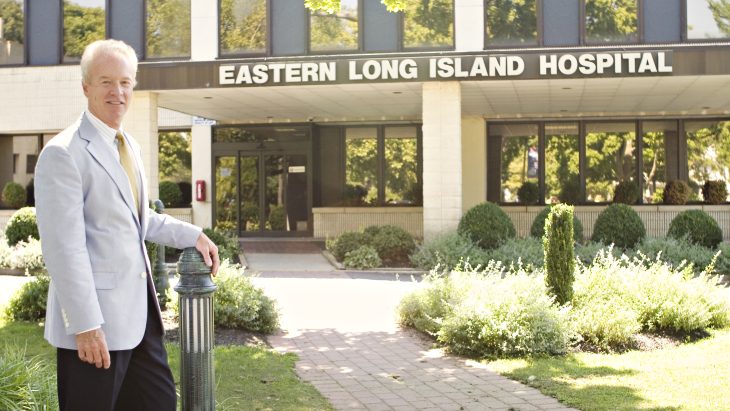
About Quannacut at Stony Brook Eastern Long Island Hospital
If you’re someone who is struggling with a dependency on alcohol, opioids, and other substances, you’ll find hope and compassionate care through their detox and inpatient program. This detox center is located in Greenport, New York. The busy waterways of Stirling Basin are right next door.
This is a hospital facility and, as such, you’ll find a comprehensive approach to care. Individualized programs include a combination of the latest addiction medicines, behavioral therapies, and psychological supports.
Depending on your recovery needs, medication assisted treatment (MAT) may be used to help you navigate your opioid detox. There are other medications available for alcohol detox.
Once your body is stabilized, you can move into their rehabilitation program, located in the same facility. Through this rehabilitation program, you’ll learn essential life skills that will help you manage triggers and ongoing cravings you might have.
You’ll also engage heavily in counseling services in both individual and group settings. Most importantly, their thorough discharge planning will help you establish a plan of action that considers the unique struggles you’ve faced and how to address those struggles outside of the program.
After detox, they can refer you to their outpatient center in Riverhead if your condition isn’t acute. Otherwise, you can stay for additional inpatient care.
Despite being a clinical setting, there’s also a strong sense of community here as well. You’ll establish meaningful relationships with an interdisciplinary team of professionals, including physicians, nurses, addiction counselors, social workers, and even creative arts therapists.
| Levels of Care | Detox Service Setting | Programs | Payment Options | ||||||
|---|---|---|---|---|---|---|---|---|---|
|
Inpatient
|
Outpatient
|
The Structured Outpatient Program (SOP) at Quannacut provides intensive group treatment several days per week for clients transitioning from inpatient care or requiring higher-level outpatient support. |
Discharge planning and referral for continuing care are core components of Quannacut’s treatment continuum, ensuring coordination of ongoing recovery support after inpatient discharge. |
||||||
|
Hospital detoxification allows you to withdraw from drugs or alcohol in a hospital setting. It’s ideal for people with severe withdrawal symptoms or complex medical needs. You’ll receive constant monitoring, emergency care if needed, and FDA-approved prescription medications. |
The 28-bed Quannacut inpatient unit delivers medically supervised detoxification and rehabilitation services in a safe, structured hospital setting for adults with substance use disorders. |
Quannacut offers Outpatient Addiction Services and a Structured Outpatient Program (SOP) for ongoing treatment and support following inpatient care or for those requiring outpatient-level intervention. |
|||||||
|
Teen (13 - 18)
|
Adult programs include job support and life skills training in a structured environment. Services are designed to address the substance use and life challenges specific to adults. Therapy sessions happen in individual, group and family settings.
|
Young adult programs are designed for individuals who are transitioning into adulthood. Topics of discussion typically include identity, independence, and peer relationships. Providers may also offer life-skills training and career support.
|
Senior programs include peer support and medical oversight for age-related health concerns. Services address the unique needs of older adults like chronic pain, grief, and isolation. The goal is to improve quality of life while aging.
|
Women's programs offer a safe and supportive space to focus on gender-specific issues such as trauma, family roles, and mental health conditions. Therapists tailor the sessions to address women's needs and foster empowerment in a healing and nurturing environment.
|
Men's programs address substance use while also considering the social pressures, family roles, and mental health concerns specific to men. Participants learn healthy coping mechanisms, build emotional resilience, and develop communication skills.
|
LGBTQ-friendly programs create an inclusive and affirming space for recovery. Treatment is sensitive to issues like discrimination and stigma. You’ll receive support and therapy that respects and acknowledges your unique experiences.
|
Quannacut provides medically supervised detoxification for adults suffering from alcohol dependence, with physician and psychiatric oversight in a hospital environment. |
Quannacut offers medically supervised detoxification for adults with drug dependence, supported by a multidisciplinary team of physicians, psychiatrists, and nurses. |
Quannacut’s treatment approach includes education, group therapy, and relapse prevention strategies integrated into both inpatient and outpatient programming. |
|
Medicaid
|
State Family Services
|
Private Insurance
|
Levels of Care
The Structured Outpatient Program (SOP) at Quannacut provides intensive group treatment several days per week for clients transitioning from inpatient care or requiring higher-level outpatient support.
Discharge planning and referral for continuing care are core components of Quannacut’s treatment continuum, ensuring coordination of ongoing recovery support after inpatient discharge.
Detox Service Setting
Hospital detoxification allows you to withdraw from drugs or alcohol in a hospital setting. It’s ideal for people with severe withdrawal symptoms or complex medical needs. You’ll receive constant monitoring, emergency care if needed, and FDA-approved prescription medications.
The 28-bed Quannacut inpatient unit delivers medically supervised detoxification and rehabilitation services in a safe, structured hospital setting for adults with substance use disorders.
Quannacut offers Outpatient Addiction Services and a Structured Outpatient Program (SOP) for ongoing treatment and support following inpatient care or for those requiring outpatient-level intervention.
Programs
Quannacut provides medically supervised detoxification for adults suffering from alcohol dependence, with physician and psychiatric oversight in a hospital environment.
Quannacut offers medically supervised detoxification for adults with drug dependence, supported by a multidisciplinary team of physicians, psychiatrists, and nurses.
Quannacut’s treatment approach includes education, group therapy, and relapse prevention strategies integrated into both inpatient and outpatient programming.
Amenities
Accreditations

Contact


- Monday Open 24 hours
- Tuesday Open 24 hours
- Wednesday Open 24 hours
- Thursday Open 24 hours
- Friday Open 24 hours
- Saturday Open 24 hours
- Sunday Open 24 hours

Nadia holds a Master’s in Secondary Education and serves secondary ed. students and their families through the Shenandoah Valley. When she’s not working with students, Nadia is a contributing writer at LawCommentary.com, offering legal insight into laws, regulations, and accountability concerning the national opioid epidemic.

Peter W.Y. Lee is a historian with a focus in American Cold War culture. He has examined how popular culture has served as a coping mechanism for the challenges and changes impacting American society throughout the twentieth century.
Detox.com regularly reviews this listing for accuracy but changes may occur between updates. For the most up-to-date information, please contact Quannacut at Stony Brook Eastern Long Island Hospital.
Nearby Detox Centers

Search by New York Cities
FAQs
What detox and rehabilitation services does Quannacut at Stony Brook offer?
Quannacut Inpatient Addiction Services provides medically supervised detoxification and inpatient rehabilitation for adults with alcohol and/or drug dependence. The facility is a 28-bed program located at Stony Brook Eastern Long Island Hospital in Greenport, NY. Treatment includes medical stabilization, group therapy, individual counseling, family sessions, and discharge planning to support recovery.
Is medical supervision available during detox at Quannacut?
Yes, Quannacut provides medically supervised detoxification in a safe, structured hospital environment. A multidisciplinary team including physicians, psychiatrists, nurses, social workers, and certified addiction counselors oversees the detox process. Psychiatric consultation is available as needed for co-occurring conditions.
What continuing care options are available after inpatient detox?
After inpatient detoxification and rehabilitation, Quannacut offers a continuum of outpatient services including individual counseling, group counseling, and a Structured Outpatient Program (SOP) that provides intensive group treatment several days per week. Discharge planning and referrals for continuing care are provided to support long-term recovery.
Does Quannacut treat both men and women for addiction?
Yes, Quannacut Inpatient Addiction Services at Stony Brook Eastern Long Island Hospital serves both men and women adults aged 18 and older. The facility provides medically supervised detoxification and rehabilitation programming for individuals struggling with alcohol and/or drug addiction.
What is included in Quannacut's inpatient addiction treatment program?
Quannacut’s inpatient program includes medically supervised withdrawal, individual and group counseling, family therapy sessions, education, and relapse prevention. Patients receive comprehensive medical and psychiatric evaluation as part of treatment planning. The multidisciplinary team develops individualized care plans and provides discharge planning for transition to aftercare.