Find Drug & Alcohol Detox Centers in Smithtown, NY

Detox Centers in Smithtown

15 Results
Filters
Setting
Medications Offered
Treatment
Programs
Payment Options
Name Address Detox Service Setting Levels Of Care Media

Employee Assistance Resource Services – Outpatient

278 East Main Street Smithtown, NY 11787
Detox Service Setting
Outpatient DetoxMAT
Levels Of Care
OutpatientIntensive Outpatient
Employee Assistance Resource Services – Outpatient

Phoenix House Hauppauge Residential

220 Veterans Highway Hauppauge, NY 11788
Detox Service Setting
Inpatient Detox
Levels Of Care
InpatientAftercareDual Diagnosis
Phoenix House Hauppauge Residential

Catholic Charities Outpatient Clinic

155 Indian Head Road Commack, NY 11725
Detox Service Setting
Outpatient Detox
Levels Of Care
OutpatientAftercareDual Diagnosis
Catholic Charities Outpatient Clinic

Phoenix House of Long Island Inc Lake Ronkonkoma Campus

153 Lake Shore Road Ronkonkoma, NY 11779
Detox Service Setting
Inpatient DetoxMAT
Levels Of Care
InpatientOutpatientPHP
Phoenix House of Long Island Inc Lake Ronkonkoma Campus

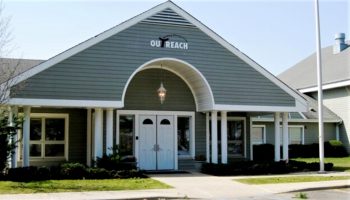
Outreach House Brentwood Crooked Hill Road

400 Crooked Hill Road Brentwood, NY 11717
Detox Service Setting
Inpatient Detox
Levels Of Care
InpatientAftercareDual Diagnosis
Outreach House Brentwood Crooked Hill Road

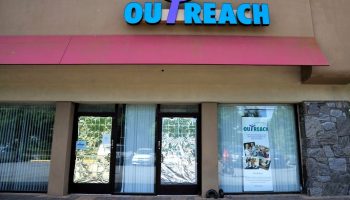
Outreach Outpatient Services

452 Suffolk Avenue Brentwood, NY 11717
Detox Service Setting
Outpatient Detox
Levels Of Care
OutpatientAftercareDual Diagnosis
Outreach Outpatient Services

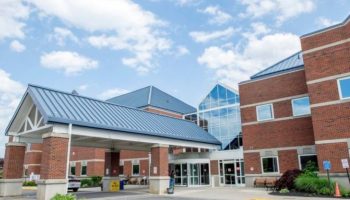
VA Northport Healthcare

79 Middleville Road Northport, NY 11768
Detox Service Setting
Inpatient DetoxOutpatient Detox
Levels Of Care
InpatientOutpatientAftercare+2
VA Northport Healthcare

Catholic Charities Talbot House

30 Carlough Road Bohemia, NY 11716
Detox Service Setting
Inpatient Detox
Levels Of Care
Inpatient
Catholic Charities Talbot House

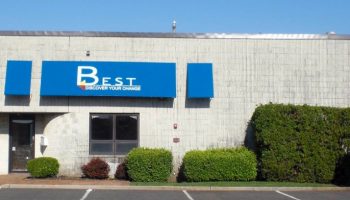
Suboxone Vivitrol B.E.S.T. Mental Health and Substance Abuse Treatment

770-17 Grand Boulevard Deer Park, NY 11729
Detox Service Setting
Inpatient DetoxOutpatient DetoxMAT
Levels Of Care
InpatientOutpatientIntensive Outpatient
Suboxone Vivitrol B.E.S.T. Mental Health and Substance Abuse Treatment

Victory Recovery Partners

100 Granny Road Farmingville, NY 11738
Detox Service Setting
Inpatient DetoxOutpatient DetoxMAT
Levels Of Care
InpatientOutpatientIntensive Outpatient+2
Victory Recovery Partners

Bay Shore VA Clinic

132 East Main Street Bay Shore, NY 11706
Detox Service Setting
Inpatient DetoxOutpatient Detox
Levels Of Care
InpatientOutpatientAftercare+2
Bay Shore VA Clinic

Saint Charles Hospital – Chemical Dependency Inpatient

200 Belle Terre Road Port Jefferson, NY 11777
Detox Service Setting
Hospital DetoxInpatient Detox
Levels Of Care
InpatientAftercare
Saint Charles Hospital – Chemical Dependency Inpatient

Huntington Methadone Clinic

689 E Jericho Turnpike Huntington Station, NY 11746
Detox Service Setting
Inpatient DetoxOutpatient Detox
Levels Of Care
InpatientOutpatient
Huntington Methadone Clinic

Mountainside Treatment Center Huntington

141 E Main St Huntington, NY 11743
Detox Service Setting
Inpatient DetoxOutpatient Detox
Levels Of Care
InpatientOutpatient
Mountainside Treatment Center Huntington

Sun River Health Huntington

55 Horizon Drive Huntington, NY 11743
Detox Service Setting
Outpatient Detox
Levels Of Care
OutpatientDual Diagnosis
Sun River Health Huntington

Drug & Alcohol Detox in Smithtown, NY

Smithtown sits on the North Shore of Long Island in Suffolk County, a region hit hard early in the opioid epidemic that has since built one of the more developed treatment and prevention systems in the state. Detox and withdrawal management programs serving Smithtown are certified by the New York State Office of Addiction Services and Supports (OASAS), which sets the clinical standards for withdrawal, residential, and outpatient care.

Locally, the Suffolk County Division of Community Mental Hygiene Services coordinates and oversees these services. Knowing who certifies a program helps when you choose a detox center and confirm it is properly licensed.

Fentanyl drives the overwhelming majority of overdose deaths in the area, frequently mixed into heroin, counterfeit pills, and other drugs. That unpredictability shapes how withdrawal is managed and makes it worth confirming that a program can treat the specific substances involved, including any co-occurring mental health conditions.

There has also been real progress in the area. Fatal overdoses in Suffolk County have fallen for two years running, which county and state officials attribute to expanded naloxone access, treatment funding from opioid settlements, and harm reduction outreach. For someone weighing detox today, that means more open doors than the region had just a few years ago.


Paying for Detox in Smithtown

Paying for detox in Smithtown does not have to mean covering the full cost yourself. What you owe depends on the level of care and how long treatment lasts, but New York Medicaid, Medicare, private insurance, and several county and nonprofit programs bring the real price down for most people. Start by understanding how much detox costs.

How Much Does Detox Cost in Smithtown?

The figures below are full cash-pay (self-pay) rates before insurance, Medicaid, Medicare, or other aid, and most people with coverage pay far less. The real cost depends on the level of care, how severe withdrawal is, and whether treatment happens in a hospital, a residential program, or an outpatient clinic. Because each level of care runs on a different timeline, each total reflects one full episode at that level, and MAT is shown per year. The New York averages below offer a baseline for Smithtown.

$3,000 to $7,000 for a medically supervised detox, usually 5 to 7 days
Medical Detox
About $56,653 for a full residential program, typically about 30 days
Inpatient Rehab
About $1,706 for a full outpatient course, usually a few weeks to a few months
Outpatient Rehab
About $7,451 per year of ongoing treatment
Methadone Treatment

Medicare and Medicaid in Smithtown

Medicare

Medicare covers medically necessary detox for Smithtown residents, with inpatient withdrawal management under Part A and outpatient services under Part B. Since 2020, Part B also covers opioid treatment program services, including methadone, buprenorphine, and naltrexone. Copays and deductibles depend on the setting, the services you receive, and whether you carry a Medicare Advantage or supplement plan.

Medicaid

New York Medicaid covers detox, inpatient and residential rehabilitation, outpatient treatment, and medication-assisted treatment for eligible residents, at no cost for those who qualify. Coverage runs through Medicaid managed care plans and OASAS-certified providers. Because plans contract with specific programs, it helps to confirm that a facility accepts your particular Medicaid plan before admission.

Other Ways to Pay for Detox Treatment

Cost should not keep anyone in Smithtown from starting detox. Beyond insurance and Medicaid, several local and state options can lower or eliminate what you pay out of pocket for withdrawal management and ongoing care:

Sliding Scale Payment Systems

Community-based and OASAS-certified providers across Suffolk County set fees on a sliding scale tied to income and household size, so lower-income Smithtown residents can access counseling, MAT, and detox referrals at a reduced rate.

Nonprofits and Charities

Long Island nonprofits such as the Family Service League and LICADD provide low-cost or free assessment, crisis stabilization, and support services, with some care funded through grants and opioid settlement dollars for people who are uninsured.

County Programs

The Suffolk County Division of Community Mental Hygiene Services coordinates publicly funded treatment and connects residents to OASAS-certified care, while the county health department offers free naloxone and prevention services regardless of ability to pay.

Veterans Programs

Veterans in the Smithtown area can access no-cost substance use and detox care through the Northport VA Medical Center. This center provides withdrawal management, MAT, and mental health treatment on Long Island.

Smithtown, New York Regulations and Accreditation for Detox

Detox and addiction treatment in Smithtown are governed by a mix of state agencies, the county behavioral health authority, and insurance regulators. These are the primary bodies that license programs, coordinate funding, and enforce the standards that protect patients:

New York State Office of Addiction Services and Supports (OASAS)

The New York State Office of Addiction Services and Supports certifies and monitors detox, residential, and outpatient addiction programs statewide. Through its Bureau of Certification, OASAS sets the clinical and safety standards for withdrawal and stabilization services and investigates complaints against certified providers serving Smithtown.

Suffolk County Division of Community Mental Hygiene Services

The Suffolk County Division of Community Mental Hygiene Services is the local governmental unit responsible for coordinating and overseeing substance use services in the county. It reviews and approves new local providers, directs funding, and links residents to certified detox and treatment programs.

New York State Department of Health (DOH)

The New York State Department of Health licenses the hospitals where medically managed detox often takes place and administers the statewide standing order that lets pharmacies dispense naloxone without an individual prescription. It also oversees the Medicaid program that funds much of the region’s care.

New York State Department of Financial Services (DFS)

The New York State Department of Financial Services regulates commercial health insurers in the state and enforces the parity laws requiring plans to cover substance use treatment like other medical care. It reviews complaints when a Smithtown resident’s plan wrongly denies detox or rehab coverage.

Key MAT Medications and Regulatory Status in Smithtown

Medication-assisted treatment in Smithtown is regulated at the federal and state levels. Clinics that dispense methadone must hold SAMHSA Opioid Treatment Program certification under 42 CFR Part 8, register with the DEA, and be certified by OASAS. New York Medicaid and commercial plans cover the medications. Since the federal X-waiver was eliminated in 2023, any DEA-registered prescriber in the area can start buprenorphine, widening access to medication-assisted detox across Suffolk County.

Buprenorphine

Buprenorphine, commonly dispensed as Suboxone, is the most accessible MAT option in Smithtown. With the waiver requirement gone, primary care offices, OASAS-certified clinics, and telehealth providers can prescribe it, and many begin treatment quickly. New York Medicaid and most commercial plans cover it for opioid use disorder.

Methadone

Methadone is available only through OASAS-certified opioid treatment programs and cannot be filled at a retail pharmacy, so Smithtown residents visit a licensed program, several of which operate in Suffolk County, for daily dosing. It remains highly effective for severe or long-term opioid dependence, and Medicaid covers it.

Naltrexone

Naltrexone, offered as the monthly Vivitrol injection, blocks opioid effects and reduces alcohol cravings without being a controlled substance, so any licensed prescriber in Smithtown can offer it. Because it requires a period of abstinence first, it is often started after detox. Medicaid and commercial plans cover it.

Overdose Prevention and Harm Reduction in Smithtown

Fentanyl is behind the large majority of overdose deaths in the Smithtown area, often hidden in heroin, pressed pills, and other drugs. A network of county agencies and Long Island nonprofits works to prevent those deaths by distributing naloxone and fentanyl test strips, offering peer support, and connecting people who use drugs to treatment. Many of these services are free and available without insurance or identification.

Suffolk County Department of Health Services

Free naloxone (Narcan) Naloxone training in English and Spanish Fentanyl awareness resources Opioid settlement fund dashboard

The county health department provides free naloxone and overdose response training to residents and organizations, publishes prevention resources, and tracks how opioid settlement funds are spent. It anchors Suffolk County’s overdose prevention efforts with the Division of Community Mental Hygiene Services. Learn more at suffolkcountyny.gov.

THRIVE Suffolk

Peer recovery coaching Support groups and workshops Free transportation from treatment Family support

Long Island’s first recovery community and outreach center, located in nearby Hauppauge, THRIVE Suffolk offers a free, non-clinical space with peer support, recovery coaching, and workshops. It provides free transportation from local treatment centers and brings programming into recovery residences.

LICADD (Long Island Council on Alcoholism and Drug Dependence)

24-hour hotline Family support and intervention Treatment navigation Overdose prevention education

LICADD runs a 24-hour hotline at 631-979-1700 and provides free, confidential support, treatment navigation, and family services across Long Island. It connects Smithtown residents to detox and treatment and offers education on recognizing and responding to an overdose.

NY MATTERS and NEXT Distro

Free naloxone by mail Fentanyl and xylazine test strips Online overdose education Treatment linkage

Through the state’s opioid-settlement-funded Harm Reduction Delivered program, OASAS partners with NY MATTERS and NEXT Distro to mail free naloxone and test strips to New Yorkers, including Smithtown residents, and to link them to nearby treatment.

Detox Statistics in Smithtown, New York

The data behind Smithtown’s detox needs comes mostly from Suffolk County and New York State, both of which have tracked a recent, encouraging decline in overdose deaths even as fentanyl remains the dominant threat.

Suffolk Overdose Deaths Fell in 2023

Suffolk County recorded 463 fatal overdoses in 2023, an 11.4% drop from 524 in 2022, according to the Suffolk County Medical Examiner’s Office. Long Island Council on Alcoholism and Drug Dependence

Statewide Deaths Dropped Sharply in 2024

An estimated 4,567 New Yorkers died of a drug overdose in 2024, down from 6,688 in 2023, one of the steepest single-year declines on record. New York State OASAS

Opioids in About 77% of Deaths

Roughly 77% of New York’s 2024 overdose deaths involved an opioid such as fentanyl or heroin, underscoring why naloxone access and MAT remain central to prevention. New York State OASAS

FAQs About Detox in Smithtown, NY

Are there detox centers in Smithtown, or do I have to go into New York City?

Smithtown and the surrounding Suffolk County area have OASAS-certified detox, residential, and outpatient programs, so most residents do not need to travel into New York City. Confirm that a program is OASAS-certified and can treat your specific substances, and check that it accepts your insurance or Medicaid plan before admission.

How do I get free naloxone in Smithtown?

Free naloxone is available through Suffolk County Department of Health Services trainings, by mail from the state’s NY MATTERS and NEXT Distro programs, and from many Long Island pharmacies under New York’s standing order, which allows dispensing without an individual prescription. Most insurance and Medicaid plans also cover it.

Does New York Medicaid pay for detox in Suffolk County?

Yes. New York Medicaid covers medically necessary detox, inpatient and residential rehabilitation, outpatient treatment, and medication-assisted treatment for eligible residents. Care runs through Medicaid managed care plans and OASAS-certified providers, so confirm that a facility accepts your specific Medicaid plan before you arrive.

What is OASAS, and why does it matter?

OASAS is the New York State agency that certifies and regulates addiction treatment programs. Choosing an OASAS-certified detox or rehab program means the facility meets state clinical, safety, and staffing standards and is subject to oversight, which is an important safeguard when you are selecting care.

Do I need inpatient detox, or is outpatient enough?

It depends on the substance, the severity of your dependence, and your home environment. Withdrawal from alcohol or benzodiazepines can be medically dangerous and usually calls for inpatient supervision. If you are unsure, this guide on whether you need inpatient detox can help you decide.

Two people talking
Get Help Today!
If you or a loved one is in need of help, call today. Pick up the phone and get the help you need.
800-483-2193
Confidential. Available 24 Hours

Browse Detox Centers

Get Help Today Phone icon 800-779-4314