800-262-4205
 Sponsored
 303-586-6737
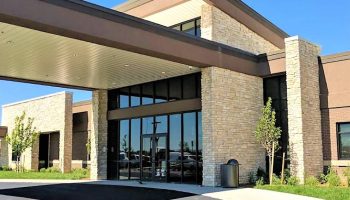
About Eating Recovery Center
Eating Recovery Center is a specialized eating disorder treatment center in Denver, Colorado offering comprehensive care for clients struggling with anorexia, bulimia, binge eating disorder, ARFID, and other eating disorders.
The facility provides a full continuum of care including inpatient, residential, partial hospitalization, intensive outpatient, and virtual treatment options to meet clients at every stage of recovery.
Using a multidisciplinary and evidence based approach Eating Recovery Center addresses both eating disorders and co-occurring mental health conditions such as anxiety, depression, and trauma.
Eating Disorder Treatment Programs in Denver
Clients begin with a comprehensive assessment to determine the most appropriate level of care which may include medically supervised inpatient or residential treatment for those requiring 24 hour support and structure.
From there clients can transition to partial hospitalization or intensive outpatient programming allowing for continued therapeutic support while increasing independence.
Treatment incorporates individual, group, and family therapy using evidence based modalities including Cognitive Behavioral Therapy , Dialectical Behavior Therapy, and Family Based Treatment.
Multidisciplinary care teams include therapists, psychiatrists, medical providers, and dietitians who work together to provide nutrition therapy, meal support, psychiatric services, and skills based interventions tailored to each client’s needs.
Referral for Detox Treatment
Although the center does not offer substance use treatment or detox services they can refer you to a local treatment facility where detox is an option.
Operation Hours
- Sunday 8AM - 4PM
- Monday 10AM - 7PM
- Tuesday 6AM - 7PM
- Wednesday 6AM - 7PM
- Thursday 6AM - 5PM
- Friday 6:30AM - 7PM
- Saturday 8AM - 4PM
Levels of Care
-
Inpatient
Inpatient and residential programs provide round-the-clock medical and emotional support as you live at the treatment facility. This level of care may be recommended if you have severe addictions or mental health conditions since it removes outside distractions and allows you to focus solely on therapy.
-
Outpatient
In outpatient therapy, you’ll attend therapy sessions several times each week while living at home. This is ideal if you have a strong support system and a lower risk of relapse. Outpatient treatment offers flexibility to maintain work, school or family obligations.
-
Dual Diagnosis
Dual diagnosis programs address substance use disorders and co-occurring mental health conditions simultaneously. This integrated approach to care improves the likelihood of long term recovery and stability by addressing the root causes of addiction.
-
PHP
Partial hospitalization programs provide comprehensive treatment in a structured setting during the day but allow you to return home at night. These programs offer a balance of inpatient and outpatient rehab and provide intensive support without full time residency.
-
Aftercare
Aftercare programs provide ongoing support after you complete a rehab program. They may include several components to help you maintain sobriety including therapy, community support groups and relapse prevention strategies. This gives you a network of resources as you reintegrate into your daily life.
-
Intervention
An intervention is a structured and professionally guided conversation with an individual who is struggling with addiction. During the conversation, family and friends will encourage you to seek treatment. This is often a pivotal step for those resistant to getting help.
Detox Service Setting
-
Hospital Detox
Hospital detoxification allows you to withdraw from drugs or alcohol in a hospital setting. It’s ideal for people with severe withdrawal symptoms or complex medical needs. You’ll receive constant monitoring, emergency care if needed and FDA approved prescription medications.
-
Inpatient Detox
Inpatient detox occurs in a dedicated treatment facility. You’ll live there around the clock and receive intensive medical support and supervision to help manage your withdrawal symptoms. It is suitable for individuals with moderate to severe addictions as it ensures a stable detox environment.
-
Outpatient Detox
Outpatient detox gives you access to medically supervised withdrawal services while still allowing you to live at home. You’ll attend a clinic for treatment and monitoring. This flexible option is suitable for those with mild to moderate withdrawal symptoms who have strong support systems.
Programs
-
Adult (18+)
Adult programs address the substance use and life challenges specific to adults. Therapists can deliver sessions in individual, group and family settings. Services often include job support and life skills training in a structured environment. -
Cognitive Behavioral Therapy
Cognitive behavioral therapy focuses on changing harmful thought patterns and behaviors associated with addiction. You’ll learn healthier coping mechanisms by identifying and replacing negative thoughts. This improves your emotional resilience and decreases your relapse potential.
-
Rational Behavior Therapy
Rational behavior therapy helps you identify irrational beliefs that contribute to an addiction. Challenging and modifying those beliefs helps you develop healthier attitudes and behaviors. This therapy supports long term sobriety and sustainable recovery.
Accreditations
-
 Joint Commission
-
 LegitScript Certified
-
 State License
Accepted Insurance



Amenities
- Private Rooms
- Private Setting
- WiFi
Contact
7351 E. Lowry Blvd. Suite 200 Denver, CO 80230
Detox.com regularly reviews this listing for accuracy but changes may occur between updates. For the most up-to-date information, please contact Eating Recovery Center.