

 800-671-4304
CAARE -The Healing Center
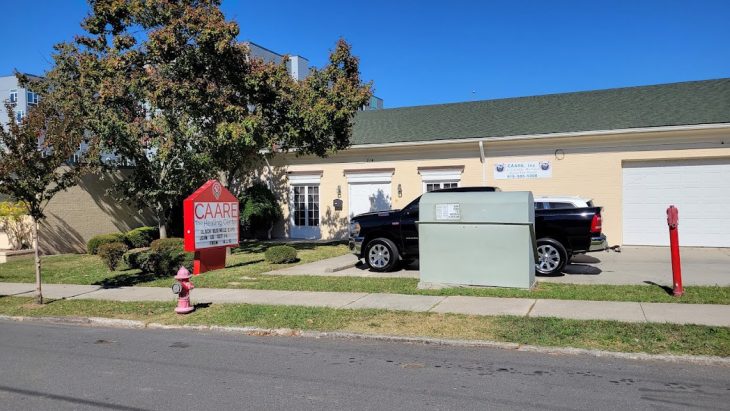
About CAARE -The Healing Center
CAARE – The Healing Center is a substance use treatment program in Durham, North Carolina offering a comprehensive continuum of care for clients and families affected by addiction.
CAARE’s mission centers on person centered and trauma informed care that promotes long term recovery and improved quality of life. If you are in need of detox treatment the center can refer you to a local facility for these services.
Intensive and Comprehensive Outpatient Treatment
Options include the Substance Abuse Intensive Outpatient Program, Substance Abuse Comprehensive Outpatient Treatment, DWI services, and a Residential Substance Abuse Treatment program offering transitional housing for men in recovery.
Clients can expect counseling, case management, peer support, and referrals to community resources. Programs emphasize relapse prevention, recovery skill building, and family involvement within a structured and supportive environment.
Quick Facts About CAARE – The Healing Center
- Location: Broadway Street in downtown Durham, North Carolina.
- Levels of care: Outpatient counseling, SAIOP, SACOT, DWI services, and residential treatment for men.
- Who they treat: Clients and families affected by alcohol and drug use disorders.
- Approach: Person centered, trauma informed care focused on long term recovery.
- Support services: Peer support, case management, and community referrals.
- Continuum of care: Prevention, intervention, treatment, and ongoing recovery support.
| Levels of Care | Detox Service Setting | Programs | Payment Options | ||||
|---|---|---|---|---|---|---|---|
|
In outpatient therapy, you’ll attend therapy sessions several times each week while living at home. This is ideal if you have a strong support system and a lower risk of relapse. Outpatient treatment offers flexibility to maintain work, school or family obligations. |
Aftercare programs provide ongoing support after you complete a rehab program. They may include several components to help you maintain sobriety including therapy, community support groups and relapse prevention strategies. This gives you a network of resources as you reintegrate into your daily life. |
Sober living homes provide a supportive and substance free environment for you to live in as you overcome your addiction. Residents must follow house rules and support each other's recovery journeys. Sober living fosters accountability and stability during this critical phase of recovery. |
Substance Abuse Intensive Outpatient Program (SAIOP) and Substance Abuse Comprehensive Outpatient Treatment (SACOT) provide structured intensive services for individuals in recovery. |
||||
|
Outpatient detox gives you access to medically supervised withdrawal services while still allowing you to live at home. You’ll attend a clinic for treatment and monitoring. This flexible option is suitable for those with mild to moderate withdrawal symptoms who have strong support systems. |
|||||||
|
Adult programs address the substance use and life challenges specific to adults. Therapists can deliver sessions in individual, group and family settings. Services often include job support and life skills training in a structured environment. |
Alcohol detox programs offer medical support to help individuals withdraw safely from alcohol. Your care team may use medications to ease your symptoms and provide medical monitoring to address complications. |
Drug detox programs support individuals who are withdrawing from addictive substances like cocaine and heroin. Medical support helps you manage symptoms in a controlled and safe environment so you can achieve initial sobriety. |
Men's programs address substance use while also considering the social pressures, family roles and mental health concerns that are specific to men. You’ll learn healthy coping mechanisms as you build emotional resilience and develop communication skills. |
Military and veteran programs offer specialized support for clients who served in the armed services. Programs focus on reintegration and healing within a structured and supportive environment that acknowledges the unique struggles of military life. |
Opioid detox uses medications to ease severe withdrawal symptoms. It also includes medical supervision to help you manage potential complications. These services allow you to stabilize and begin a recovery plan. |
Women's programs offer a safe and supportive space to focus on gender specific issues such as trauma, family roles and mental health conditions. Therapists tailor the sessions to address women's needs and foster empowerment in a healing and nurturing environment. |
Young adult programs are designed for individuals who are transitioning into adulthood. Topics of discussion typically include identity, independence and peer relationships. Providers may also offer life skills training and career support. |
|
Medicaid
|
Self Pay
|
Levels of Care
In outpatient therapy, you’ll attend therapy sessions several times each week while living at home. This is ideal if you have a strong support system and a lower risk of relapse. Outpatient treatment offers flexibility to maintain work, school or family obligations.
Aftercare programs provide ongoing support after you complete a rehab program. They may include several components to help you maintain sobriety including therapy, community support groups and relapse prevention strategies. This gives you a network of resources as you reintegrate into your daily life.
Sober living homes provide a supportive and substance free environment for you to live in as you overcome your addiction. Residents must follow house rules and support each other's recovery journeys. Sober living fosters accountability and stability during this critical phase of recovery.
Substance Abuse Intensive Outpatient Program (SAIOP) and Substance Abuse Comprehensive Outpatient Treatment (SACOT) provide structured intensive services for individuals in recovery.
Detox Service Setting
Outpatient detox gives you access to medically supervised withdrawal services while still allowing you to live at home. You’ll attend a clinic for treatment and monitoring. This flexible option is suitable for those with mild to moderate withdrawal symptoms who have strong support systems.
Programs
Adult programs address the substance use and life challenges specific to adults. Therapists can deliver sessions in individual, group and family settings. Services often include job support and life skills training in a structured environment.
Alcohol detox programs offer medical support to help individuals withdraw safely from alcohol. Your care team may use medications to ease your symptoms and provide medical monitoring to address complications.
Drug detox programs support individuals who are withdrawing from addictive substances like cocaine and heroin. Medical support helps you manage symptoms in a controlled and safe environment so you can achieve initial sobriety.
Men's programs address substance use while also considering the social pressures, family roles and mental health concerns that are specific to men. You’ll learn healthy coping mechanisms as you build emotional resilience and develop communication skills.
Military and veteran programs offer specialized support for clients who served in the armed services. Programs focus on reintegration and healing within a structured and supportive environment that acknowledges the unique struggles of military life.
Opioid detox uses medications to ease severe withdrawal symptoms. It also includes medical supervision to help you manage potential complications. These services allow you to stabilize and begin a recovery plan.
Women's programs offer a safe and supportive space to focus on gender specific issues such as trauma, family roles and mental health conditions. Therapists tailor the sessions to address women's needs and foster empowerment in a healing and nurturing environment.
Young adult programs are designed for individuals who are transitioning into adulthood. Topics of discussion typically include identity, independence and peer relationships. Providers may also offer life skills training and career support.
Amenities
Accreditations

Contact


- Monday 9AM - 5PM
- Tuesday 9AM - 5PM
- Wednesday 9AM - 5PM
- Thursday 9AM - 5PM
- Friday 9AM - 5PM

Kimberly Hawkins holds a Masters degree in Computing and Information Sciences from East Tennessee State University. She is also a freelance writer specializing in content related to mental health, addiction recovery, and overall wellness. On Valentine’s Day of 2024, Kimberly’s only sibling passed away of an accidental drug overdose. Since then, Kimberly has become a passionate advocate for addiction recovery awareness and support.
Nearby Detox Centers

Search by North Carolina Cities
FAQs
What outpatient detox and substance abuse programs does CAARE offer?
CAARE in Durham offers Substance Abuse Intensive Outpatient Program (SAIOP), Substance Abuse Comprehensive Outpatient Treatment (SACOT), and Outpatient Opioid Treatment (OBOT). The facility also provides outpatient counseling, assessments, case management, and DWI services. Services include individual and group counseling focused on recovery and relapse prevention.
Does CAARE treat both alcohol and drug addiction in Durham?
Yes, CAARE provides treatment for individuals struggling with alcohol and other drug use disorders. The facility offers comprehensive outpatient services designed to help clients develop recovery skills and maintain abstinence through counseling, assessments, and peer support services.
What type of counseling and support does CAARE provide during treatment?
CAARE offers individual and group counseling as part of its outpatient programs. The facility also provides case management, peer support, recovery support services, and referrals to community resources. Services are person-centered and trauma-informed to support long-term recovery.
Does CAARE have a residential program available for substance abuse treatment?
Yes, CAARE offers a Residential Substance Abuse Treatment Program that provides transitional housing and structured support services for men in recovery. The program focuses on developing recovery skills and relapse prevention in a supportive environment.
What happens during the intake and assessment process at CAARE?
CAARE conducts substance abuse assessments as the first step in treatment. Following assessment, the facility connects individuals with appropriate outpatient or residential services based on their needs. Case management and referral services help clients access the right level of care.