Find Drug & Alcohol Detox Centers in Orlando, FL

Detox Centers in Orlando

15 Results
Filters
Setting
Medications Offered
Treatment
Programs
Payment Options
Name Address Detox Service Setting Levels Of Care Media

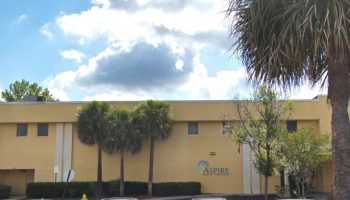
Aspire Health Addictions Receiving Facility

434 West Kennedy Blvd Orlando, FL 32810
Detox Service Setting
Inpatient Detox
Levels Of Care
InpatientAftercareDual Diagnosis
Aspire Health Addictions Receiving Facility

Central Florida Treatment Centers

1800 West Colonial Drive Orlando, FL 32804
Detox Service Setting
Inpatient DetoxOutpatient DetoxMAT
Levels Of Care
InpatientOutpatient
Central Florida Treatment Centers

LifeStance Therapists & Psychiatrists Orlando

6735 Conroy Road Orlando, FL 32835
Detox Service Setting
Outpatient Detox
Levels Of Care
OutpatientAftercareDual Diagnosis
LifeStance Therapists & Psychiatrists Orlando

Orlando Recovery Center Drug and Alcohol Rehab

6000 Lake Ellenor Drive Orlando, FL 32809
Detox Service Setting
Inpatient DetoxOutpatient DetoxHospital Detox+1
Levels Of Care
InpatientOutpatientPHP+3
Orlando Recovery Center Drug and Alcohol Rehab

Sunrise Detox – Orlando

2431 West Sand Lake Road Orlando, FL 32809
Detox Service Setting
Inpatient DetoxOutpatient Detox
Levels Of Care
InpatientOutpatientAftercare+1
Sunrise Detox – Orlando

Aspire Health Partners Addiction Receiving Facility

712 West Gore Street Orlando, FL 32805
Detox Service Setting
Inpatient Detox
Levels Of Care
Inpatient

Aspire Health Partners Medication Assisted Treatment Program

100 Columbia Street Orlando, FL 32806
Detox Service Setting
Levels Of Care

Bridges of America – The Orlando Bridge

2041 Mercy Drive Orlando, FL 32808
Detox Service Setting
Inpatient Detox
Levels Of Care
InpatientAftercareDual Diagnosis

Health and Recovery Institute of Central FL

2205 East Michigan Street Orlando, FL 32806
Detox Service Setting
Levels Of Care

Hogar CREA International of Florida

3030 Eunice Ave Orlando, FL 32808
Detox Service Setting
Inpatient DetoxOutpatient Detox
Levels Of Care
InpatientOutpatient

Methadone clinic

1002 North Semoran Boulevard Orlando, FL 32807
Detox Service Setting
Outpatient DetoxMAT
Levels Of Care
Outpatient

New Season Treatment Center Orlando

1002 North Semoran Boulevard Orlando, FL 32807
Detox Service Setting
Outpatient Detox
Levels Of Care
Outpatient

Orlando Behavioral Healthcare: Mian Abid MD

6735 Conroy Road Orlando, FL 32835
Detox Service Setting
Outpatient Detox
Levels Of Care
InpatientOutpatient

University Behavioral Center

2500 Discovery Drive Orlando, FL 32826
Detox Service Setting
Hospital DetoxInpatient DetoxOutpatient Detox
Levels Of Care
InpatientOutpatientDual Diagnosis+1

Newbridge Recovery

1801 Lee Road Winter Park, FL 32789
Detox Service Setting
Outpatient DetoxMAT
Levels Of Care
Newbridge Recovery

Drug & Alcohol Detox in Orlando, FL

Orlando’s drug and alcohol detox system is shaped by a combination of state licensing requirements, county-led public health programs and a growing community response to the fentanyl crisis that has made Orange County a model for other Florida jurisdictions.

For anyone choosing a detox center in the area, understanding how local care is regulated and what programs are available can help narrow the search considerably.

All detox and substance use disorder treatment facilities operating in Orlando must be licensed by the Florida Department of Children and Families (DCF) under Chapter 397 of the Florida Statutes. This law, known as the Florida Substance Abuse Services Act, defines detoxification as a service providing subacute care on either an inpatient or outpatient basis to help individuals withdraw from the physiological and psychological effects of substance use.

Additionally, Rule 65D-30 of the Florida Administrative Code sets the minimum clinical, staffing and safety standards every licensed provider must meet.

Orange County has invested heavily in filling gaps that private facilities cannot reach. In 2022, the Orange County jail became the first in Florida to offer medication-assisted treatment, and the county has since expanded access through a free MAT program at the Orange County Medical Clinic in the Parramore neighborhood, prioritizing people who are uninsured or underinsured and have been involved in the criminal justice system.

The county’s newer Better Access to Treatment program focuses specifically on people leaving incarceration, who face a significantly elevated overdose risk in the days and weeks after release. These public programs work alongside a network of private inpatient, outpatient and residential providers, giving Orlando a broader continuum of care than many Florida cities of its size.

Likewise, the Florida 2024 Prescription Drug Reform Act and Florida’s 2024 legalization of fentanyl test strips have also shifted the local environment. Fentanyl test strips were previously illegal to possess or distribute in Florida; their legalization has allowed Orange County to integrate them directly into jail-based programs and community outreach, contributing to a measurable decline in fatal overdoses.
Find The Perfect Detox Center For You

Filter treatment centers in Orlando by level of care offered to find the best detox program for you or a loved one.

Paying for Detox in Orlando

Getting a clear picture of what detox actually costs before starting the search for a facility makes financial planning much easier and helps people avoid surprises at admission.

Orlando-area pricing tracks with Central Florida norms, which tend to run lower than South Florida but higher than rural parts of the state.

How Much Does Detox Cost in Orlando?

Costs in Orlando vary based on the level of medical supervision needed, the substances involved and whether the stay is inpatient or outpatient. Equally, medical complexity, length of stay, and the need for medications during withdrawal can all push costs upward.

One way to help you cover the cost of treatment is through insurance and state-funded programs, which help to reduce out-of-pocket expenses significantly for people who qualify.

$1,250-$5,600 (per week)
Medical Detox
$20,000-$44,000 (30 days)
Inpatient Rehab
$3,500-$5,600 (per week)
Outpatient Rehab
$6,000-$18,000 (annual program)
Methadone Treatment

Does Private Insurance Cover Detox in Orlando?

Yes, under the Affordable Care Act, private insurers must cover substance use disorder treatment as an essential health benefit. Florida’s Office of Insurance Regulation oversees compliance and ensures that mental health and substance use coverage meets parity with other medical benefits.

Florida Marketplace plans can be explored at floridasmartshopper.gov. The most common commercial insurers in the Orlando market include:

United Health Care
Aetna
Cigna
Humana
Molina Healthcare

Medicare and Medicaid in Orlando

Medicare

Medicare covers inpatient and outpatient drug and alcohol detox in Orlando, including medically supervised withdrawal programs. Part B covers opioid treatment program services, including methadone and buprenorphine. Part D helps cover the cost of MAT medications and other prescription drugs used in withdrawal management.

It is important to remember that copays and deductibles apply depending on the setting and specific plan.

Medicaid

Florida Medicaid is administered through the Statewide Medicaid Managed Care program. Covered services include detoxification, inpatient, residential and outpatient treatment, and medication-assisted treatment as a core benefit.

Managed care plans vary in their specific networks and prior authorization requirements, so confirming coverage with the enrollee’s managed care plan before admission is strongly recommended.

Other Ways to Pay for Detox Treatment

Do not let cost be a barrier to seeking care in Orlando. Several local options exist for people without private insurance or who cannot afford out-of-pocket treatment costs:

Sliding Scale Payment: 

Aspire Health Partners operates the 24/7 Addictions Receiving Facility (ARF) in Orlando, which accepts SAMH state funding and uses a sliding fee scale based on income for residents of Orange, Osceola, Seminole and Brevard counties, making medically supervised detox accessible regardless of ability to pay.

Free Government Programs: 

The Orange County Medical Clinic in the Parramore neighborhood offers a free MAT program funded through opioid settlement dollars, prioritizing people with opioid use disorder who are uninsured or underinsured and who have been involved in the criminal justice system.

Nonprofits and Faith-Based Programs: 

Fresh Start Ministries provides a 12-month residential program in Orange County for adults dealing with substance use and co-occurring life challenges, funded largely through donations and grants regardless of a client’s ability to pay.

Veterans Programs: 

Eligible veterans in the Orlando area can access substance use disorder treatment, including detox and MAT, through the Orlando VA Medical Center and the Lake Nona VA Medical Center, both of which offer specialized addiction services at no cost to qualifying veterans.

State-Funded Block Grant: 

Florida allocates federal Substance Use Prevention, Treatment, and Recovery Services (SUBG) block grant funds to providers statewide. These funds prioritize people who inject drugs, pregnant women and women with dependent children. Providers receiving these funds often serve clients at low or no cost.

Orlando, Florida Regulations and Accreditation for Detox

Orlando’s detox facilities operate within a multi-layered regulatory framework that spans federal, state, and county levels. Several key regulatory and accreditation bodies oversee detox and substance use disorder treatment services in the area, including:

Florida Department of Children and Families (DCF), Substance Abuse and Mental Health Program

DCF’s SAMH Program is the primary state licensing authority for all substance use disorder treatment facilities in Florida, including detoxification services. Under Chapter 397 of the Florida Statutes and Chapter 65D-30 of the Florida Administrative Code, DCF issues licenses, monitors compliance, and funds community-based SUD services statewide.

Any facility providing detox, inpatient treatment, outpatient programs or MAT in Orlando must hold a DCF SAMH license. Recent amendments require that facilities seeking license renewal provide proof they are actively pursuing accreditation from a recognized entity, such as The Joint Commission or CARF.

Florida Agency for Health Care Administration (AHCA)

AHCA holds licensing authority over behavioral health facilities providing mental health services, partial hospitalization programs and intensive outpatient programs that also address co-occurring mental health conditions alongside substance use disorders.

Many Orlando detox facilities with dual diagnosis capabilities must satisfy requirements from both DCF and AHCA.

Florida Department of Health (DOH), Division of Medical Quality Assurance

The Florida DOH licenses all medical professionals working at detox and MAT facilities, including physicians, nurses and prescribers of controlled substances. All medical staff at licensed programs must hold valid Florida professional licenses and staff working at methadone clinics must comply with additional DEA registration requirements.

Orange County Office for a Drug-Free Community

This Orange County government office coordinates local overdose prevention and treatment access strategy, working with providers, law enforcement, hospital systems and nonprofit partners.

The office manages the county’s Opioid Advisory Committee and shapes local resource allocation based on Medical Examiner data and community partner reporting.

Its Better Access to Treatment program connects individuals leaving the criminal justice system to care.

Website: ocfl.net

SAMHSA and the Opioid Treatment Program (OTP) Framework

At the federal level, SAMHSA certifies Opioid Treatment Programs under 42 CFR Part 8.

Any Orlando clinic providing methadone for opioid use disorder must receive SAMHSA OTP certification and maintain a DEA registration in addition to its state DCF license.

These dual federal-state requirements apply specifically to methadone dispensing programs.

Website: samhsa.gov

Key MAT Medications and Regulatory Status in Orlando

Medication-assisted treatment in Orlando follows both federal and Florida state regulations. At the federal level, opioid-specific MAT must comply with SAMHSA’s OTP rules and DEA controlled substance regulations. Florida DCF SAMH licenses and monitors MAT providers at the state level, and counseling is an expected component of care for all licensed programs.

Buprenorphine: 

Widely available in Orlando through low-barrier clinics, federally qualified health centers and telehealth services. Since the removal of the X-waiver requirement, any licensed prescriber in Florida can prescribe buprenorphine, substantially increasing access. Orange County Health and Aspire Health Partners both offer buprenorphine-based treatment.

Methadone: 

Restricted to SAMHSA-certified OTPs and cannot be dispensed by standard pharmacies for opioid use disorder treatment. Initial daily dosing requirements can be a logistical challenge for patients without reliable transportation, but Florida Medicaid Managed Care plans cover methadone at enrolled OTPs, keeping it financially accessible.

Naltrexone: 

Unrestricted and non-addictive, requiring no special facility certification or DEA registration. The injectable extended-release formulation (Vivitrol) is widely used in Florida’s drug court and criminal justice diversion programs because it carries no abuse potential. Florida Medicaid covers naltrexone for both opioid and alcohol use disorders.

Overdose Prevention and Harm Reduction in Orlando

Orange County has built one of the more active fentanyl overdose prevention networks in Florida, combining community nonprofits, county government programs, hospital partnerships and street outreach.

The overdose prevention infrastructure here plays a direct role in keeping people safe and alive long enough to reach treatment, and many of these organizations also serve as an on-ramp to detox and medication-assisted care.

In fact, Orange County distributed more than 25,000 Narcan kits and 8,286 fentanyl test kits from October through December 2024 alone, according to the county’s Office for a Drug-Free Community. That distribution pace reflects both the scale of the problem and the organized community response.

IDEA Orlando Syringe Service Program (Hope & Help)

Free syringe exchange and safe disposal Narcan (naloxone) nasal spray distribution and training HIV/HCV testing and referral Anonymous participation

IDEA Orlando, operated by Hope & Help, launched in 2021 as Orange County’s first authorized syringe service program following a February 2020 county ordinance.

Services are available at their office at 4122 Metric Drive in Winter Park and are offered at no cost with no identification required. The program provides a pathway for people who use drugs to access harm reduction services and referrals to treatment.

Project Opioid

Naloxone kit distribution Overdose recognition and response training Community coalition building with business, faith, and law enforcement leaders Public awareness campaigns

Project Opioid is a Central Florida nonprofit that coordinates naloxone access across the region and partners with the Florida DCF and the Orange County Drug-Free Coalition to train community members on overdose response.

The organization has conducted more than 112 training sessions and distributed over 90,000 naloxone kits, with Orange County government funding supporting a significant portion of their local distribution work.

Harm Reduction Circle

Street-based outreach to unhoused individuals in Orange County Naloxone distribution Fentanyl test strips Survival supplies (hygiene, food) Peer support and referral to treatment

Founded in 2021, Harm Reduction Circle is a peer-led 501(c)(3) that conducts ongoing street outreach across Orange County, distributing overdose prevention supplies directly to people experiencing homelessness and others at elevated risk.

They also operate festival and nightlife harm reduction programs, bringing naloxone and fentanyl test strip access to large events where illicit drug use occurs.

Orange County Government: I Save FL and Community Naloxone Distribution

Free Narcan kits through the state's I Save FL program Fentanyl test strip distribution 146 community training sessions in 2024 MAT bridge support through Orange County Medical Clinic

Orange County uses opioid settlement funds to maintain an ongoing naloxone saturation strategy, distributing kits through community partners, hospital emergency departments, and post-incarceration programs.

Free Narcan is available through multiple access points across the county. The Orange County Responds page includes overdose recognition resources and local referral information.

Detox Statistics in Orlando, Florida

Orange County’s overdose data shows meaningful progress driven by expanded naloxone access, MAT programs and community coordination, though fentanyl remains present throughout the illicit drug supply and vigilance remains necessary.

30% Drop in Overdose Deaths in 2024

Orange County recorded an estimated 341 accidental drug overdose deaths in 2024, down from 490 in 2023, according to the county Medical Examiner’s Office.

72% Reduction in Fentanyl-Related Deaths.

Fentanyl-related deaths in Orange County dropped 72 percent between 2021 and 2025, from 421 deaths to approximately 121, according to Orange County Medical Examiner data.

26% Decrease in Florida Opioid Deaths Statewide

The Florida Medical Examiner Commission’s 2024 Annual Report found that opioid-related deaths across Florida fell 26 percent compared to 2023, part of a broader statewide decline in drug-related mortality.

FAQs About Detox in Orlando, FL

How do I access state-funded detox in Orlando without insurance?

The fastest route is Aspire Health Partners’ Addictions Receiving Facility (ARF), which operates 24/7 at two Orlando locations and accepts SAMH state funding alongside a sliding fee scale based on income for residents of Orange, Osceola, Seminole and Brevard counties.

Individuals can be admitted voluntarily or through the Marchman Act. Call ahead to confirm bed availability before arriving.

What is the Marchman Act and how does it apply in Orlando?

The Marchman Act is a Florida law under Chapter 397 of the Florida Statutes that allows family members, law enforcement, or other qualified individuals to petition a court for involuntary assessment and treatment of a person with substance use disorder who poses a danger to themselves or others.

Orange County courts process Marchman Act petitions, and facilities like Aspire’s ARF accept involuntary admissions under its provisions. It is a civil, not criminal, process.

Is free medication-assisted treatment available in Orlando?

Yes. Orange County opened a free MAT clinic at the Orange County Medical Clinic west of downtown Orlando in the Parramore neighborhood, funded through opioid settlement dollars.

The program prioritizes people with opioid use disorder who are uninsured or underinsured and have been involved in the criminal justice system. Orange County jail has also offered inpatient detox and MAT services since 2022, the first such program in any Florida jail.

Were fentanyl test strips recently legalized in Florida, and where can I get them?

Yes. Florida decriminalized fentanyl test strips in 2024, reversing a prior state law that had classified them as drug paraphernalia.

Orange County now distributes them through community partners, including Project Opioid, Harm Reduction Circle and the Orange County jail program for high-risk populations.

Largest Heart, a local nonprofit, has distributed over 38,000 strips through its Test Before You Try program. Free strips are available at multiple community distribution points across the county.

What should I expect during the intake process at a hospital-level detox in Orlando?

Upon arrival at a medically supervised detox facility in Orlando, you will undergo a clinical assessment covering your substance use history, current health status and any co-occurring medical or mental health conditions. From there, the staff will determine the appropriate level of care.

Most inpatient detox stays in Orlando last approximately five to seven days, after which the facility will typically refer you to a residential or outpatient program for continued treatment.

Aspire Health Partners ARF, for example, transitions clients to their own programs or community partners after stabilization.

Do Orlando detox facilities offer treatment for co-occurring mental health conditions?

Many do. Orlando has a significant number of dual diagnosis programs that address substance use disorder and mental health conditions at the same time.

Aspire Health Partners’ ARF explicitly serves individuals with co-occurring disorders, and programs like Orlando Recovery Center offer integrated psychiatric and SUD treatment.

If managing a mental health condition alongside withdrawal is a priority, ask specifically whether a facility’s medical staff includes psychiatrists or licensed mental health clinicians before admission.

Two people talking
Get Help Today!
If you or a loved one is in need of help, call today. Pick up the phone and get the help you need.
800-483-2193
Confidential. Available 24 Hours

Browse Detox Centers

Get Help Today Phone icon 800-779-4314