800-262-4205
Innovative Recovery Solutions
About Innovative Recovery Solutions
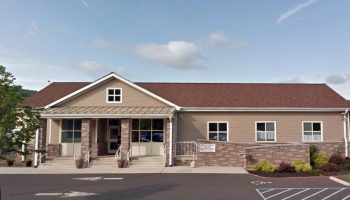
Innovative Recovery Solutions in Rochester, Pennsylvania offers outpatient treatment for substance use disorders. Medicaid, Medicare, and commercial insurances are accepted here. If you are uninsured or underinsured you may qualify for a sliding fee scale which makes your out of pocket costs more affordable.
You will be offered care in a nonjudgmental environment while collaborating with your counselor during your individualized treatment. Appointments provide flexibility so that clients can continue to meet obligations.
Outpatient Detox for Opioids and Alcohol
The center offers outpatient medical detox using medication assisted treatment for users of alcohol and opioids. Commonly prescribed medications include Suboxone, Vivitrol, and methadone.
Facilities that help you detox without an inpatient stay aren’t always easy to find so this treatment center stands out. They primarily help with detoxing from opioids but can serve clients with alcohol addiction too.
Intensive Outpatient Programs to Complement MAT
In addition to medication, you will also attend intensive outpatient programs with individual and group therapy. Counseling is an important part of MAT but most MAT clinics only provide a low intensity program, so the IOP here is unique and can be helpful if you need more support at this stage in your recovery.
Recovering Near the Ohio River
After a treatment session you may wish to continue therapeutic activities by going to a nearby area in nature. The Rochester Riverfront Park is situated along the Ohio River banks. The park offers views of boats and bridges.
The park is dog friendly so you can bring your pup to enjoy nature with you. This is an ideal spot for picnicking or fishing.
| Levels of Care | Detox Service Setting | Programs | Payment Options | Medications Offered |
|---|---|---|---|---|
|
Inpatient and residential programs provide round-the-clock medical and emotional support as you live at the treatment facility. This level of care may be recommended if you have severe addictions or mental health conditions, because it offers a distraction-free environment where you can focus solely on recovery. |
Outpatient therapy involves attending therapy sessions several times each week while living at home. This is suitable if you have a strong support system and a lower risk of relapse. Outpatient treatment offers flexibility to maintain other obligations such as work or school. |
|||
|
Inpatient detox occurs in a dedicated treatment facility. Participants live at the facility around the clock and receive intensive medical support and supervision to help alleviate withdrawal symptoms. This setting is suitable for individuals with moderate to severe addictions, as it ensures a stable detox environment. |
Outpatient detox provides access to medically supervised withdrawal services while still allowing the individual to live at home. Treatment and monitoring are provided. This flexible option is suitable for those with mild to moderate withdrawal symptoms who have strong support systems. |
Medication-assisted treatment combines medication and counseling to manage withdrawal and reduce cravings. FDA-approved medications include methadone, buprenorphine, and naltrexone. MAT is tailored to each person’s needs, so they can actively participate in treatment. |
||
|
Adult programs address the substance use and life challenges specific to adults. Therapists often deliver sessions in individual, group, and family settings. Job support and life skills training can also be provided.
|
Young adult programs are designed for individuals who are transitioning into adulthood. Discussion topics typically include identity, independence, and peer relationships. Participants may also receive life skills training and career support.
|
Women's programs offer a safe and supportive space to focus on gender-specific issues such as trauma, family roles, and mental health conditions. Therapy sessions address women's needs and foster empowerment in a healing and nurturing environment.
|
Men's programs address substance use issues as well as social pressures, family roles, and mental health concerns that are specific to men. Participants learn healthy coping mechanisms, emotional resilience, and communication skills.
|
|
|
Self Pay
|
Medicaid
|
Private Insurance
|
||
|
Methadone
|
Naltrexone (Vivitrol)
|
Suboxone
|
Levels of Care
Inpatient and residential programs provide round-the-clock medical and emotional support as you live at the treatment facility. This level of care may be recommended if you have severe addictions or mental health conditions, because it offers a distraction-free environment where you can focus solely on recovery.
Outpatient therapy involves attending therapy sessions several times each week while living at home. This is suitable if you have a strong support system and a lower risk of relapse. Outpatient treatment offers flexibility to maintain other obligations such as work or school.
Detox Service Setting
Inpatient detox occurs in a dedicated treatment facility. Participants live at the facility around the clock and receive intensive medical support and supervision to help alleviate withdrawal symptoms. This setting is suitable for individuals with moderate to severe addictions, as it ensures a stable detox environment.
Outpatient detox provides access to medically supervised withdrawal services while still allowing the individual to live at home. Treatment and monitoring are provided. This flexible option is suitable for those with mild to moderate withdrawal symptoms who have strong support systems.
Medication-assisted treatment combines medication and counseling to manage withdrawal and reduce cravings. FDA-approved medications include methadone, buprenorphine, and naltrexone. MAT is tailored to each person’s needs, so they can actively participate in treatment.
Programs
Medications Offered
Amenities
Contact



Kimberly Hawkins holds a Masters degree in Computing and Information Sciences from East Tennessee State University. She is also a freelance writer specializing in content related to mental health, addiction recovery, and overall wellness. On Valentine’s Day of 2024, Kimberly’s only sibling passed away of an accidental drug overdose. Since then, Kimberly has become a passionate advocate for addiction recovery awareness and support.

Nikki Wisher is an Atlanta-based content writer with over a decade of experience specializing in health and wellness. While she spends most of her days writing about various aspects of health, from addiction recovery to fitness to skin care, she also writes content in many other areas like photography, beauty, and marketing. Her passion project is her inclusive running blog, forallrunners.com.
Detox.com regularly reviews this listing for accuracy but changes may occur between updates. For the most up-to-date information, please contact Innovative Recovery Solutions.