

 800-262-4205
Blue Sky Treatment








About Blue Sky Treatment
Lifeskills South Florida is a residential addiction treatment center and mental health program in Deerfield Beach, Florida serving adults 18 and older with complex psychiatric, substance use and co-occurring disorders.
The Deerfield Beach campus connects to the broader Lifeskills continuum which includes medical detox and residential care, partial hospitalization, intensive outpatient and transitional living.
Care is personalized and delivered by doctoral and master’s level clinicians with low client to staff ratios.
Medication Management and More
Treatment typically begins with a thorough diagnostic assessment including the exclusive Premier Diagnostic Insights program, a 7 to 10 day concierge evaluation integrating medical, psychiatric, psychological and neuropsychological data.
Residential treatment is the primary level of care at Deerfield Beach, with step down options across the Florida network.
Clients can expect psychiatric evaluation and medication management supported by therapies such as cognitive behavioral therapy, dialectical behavior therapy and EMDR, cognitive processing therapy and Seeking Safety.
Specialty tracks address trauma, dual diagnosis and behavioral addictions.
What to Know
- Location: 1431 SW 9th Avenue in Deerfield Beach, Florida serving Broward and Palm Beach counties
- Levels of care: Residential treatment, with network access to detox, PHP, IOP and transitional living
- Who they treat: Adults 18+ with mental health, substance use and co-occurring disorders including specialty tracks for women, veterans and the Jewish community
- Approach: Evidence based, trauma informed care including CBT and DBT, EMDR and family programming
- Payment options: Private pay with out of network insurance benefits; HSA and credit, check and wire accepted
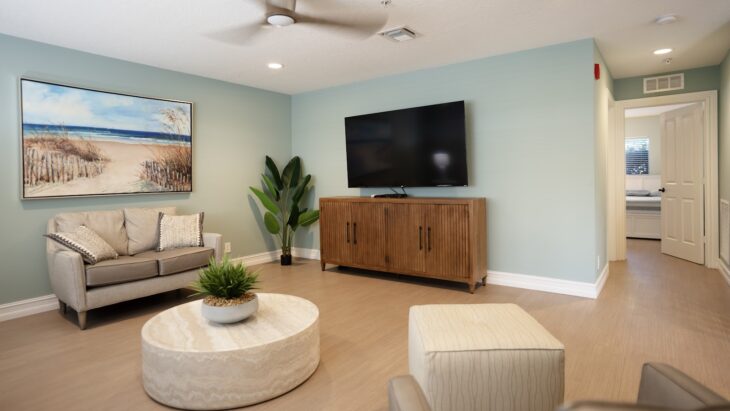
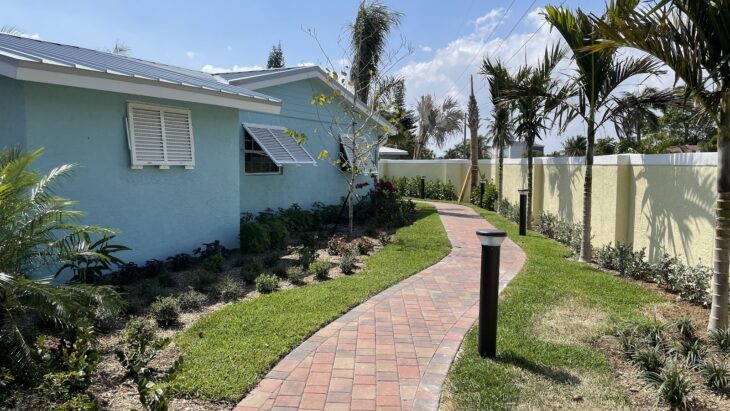
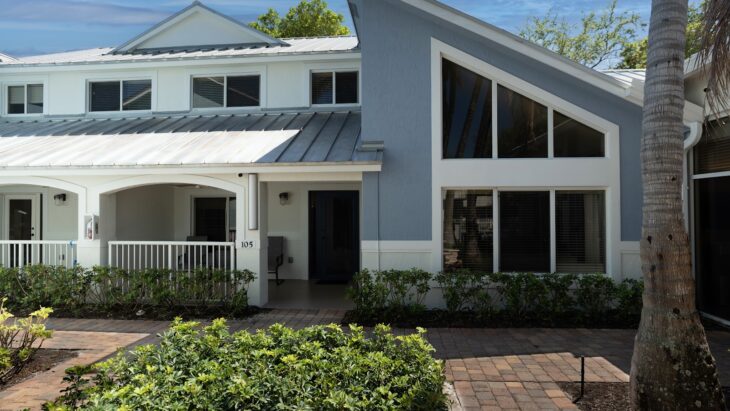
- Amenities: Home like townhomes, chef curated meals and yoga, massage and tranquil outdoor spaces
- Accreditations: Joint Commission, CARF and LegitScript certified
| Levels of Care | Detox Service Setting | Programs | Payment Options | |||||
|---|---|---|---|---|---|---|---|---|
|
Inpatient and residential programs provide round-the-clock medical and emotional support as you live at the treatment facility. This level of care may be recommended if you have severe addictions or mental health conditions since it removes outside distractions and allows you to focus solely on therapy. |
Partial hospitalization programs provide comprehensive treatment in a structured setting during the day but allow you to return home at night. These programs offer a balance of inpatient and outpatient rehab and provide intensive support without full time residency. |
In outpatient therapy, you’ll attend therapy sessions several times each week while living at home. This is ideal if you have a strong support system and a lower risk of relapse. Outpatient treatment offers flexibility to maintain work, school or family obligations. |
Aftercare programs provide ongoing support after you complete a rehab program. They may include several components to help you maintain sobriety including therapy, community support groups and relapse prevention strategies. This gives you a network of resources as you reintegrate into your daily life. |
Dual diagnosis programs address substance use disorders and co-occurring mental health conditions simultaneously. This integrated approach to care improves the likelihood of long term recovery and stability by addressing the root causes of addiction. |
Sober living homes provide a supportive and substance free environment for you to live in as you overcome your addiction. Residents must follow house rules and support each other’s recovery journeys. Sober living fosters accountability and stability during this critical phase of recovery. |
Intensive Outpatient Program (IOP) at Blue Sky Treatment delivers structured counseling and therapy sessions multiple times weekly while clients maintain employment and community involvement. |
||
|
Inpatient detox occurs in a dedicated treatment facility. You’ll live there around the clock and receive intensive medical support and supervision to help manage your withdrawal symptoms. It is suitable for individuals with moderate to severe addictions as it ensures a stable detox environment. |
Outpatient detox gives you access to medically supervised withdrawal services while still allowing you to live at home. You’ll attend a clinic for treatment and monitoring. This flexible option is suitable for those with mild to moderate withdrawal symptoms who have strong support systems. |
Medication assisted treatment combines medication and counseling to manage withdrawal and reduce cravings for opioid and alcohol addiction. Medications may include methadone, buprenorphine or naltrexone. MAT is tailored to your needs so you can actively participate in your treatment journey. |
||||||
|
Adult programs address the substance use and life challenges specific to adults. Therapists can deliver sessions in individual, group and family settings. Services often include job support and life skills training in a structured environment.
|
Alcohol detox programs offer medical support to help individuals withdraw safely from alcohol. Your care team may use medications to ease your symptoms and provide medical monitoring to address complications.
|
Cognitive behavioral therapy focuses on changing harmful thought patterns and behaviors associated with addiction. You’ll learn healthier coping mechanisms by identifying and replacing negative thoughts. This improves your emotional resilience and decreases your relapse potential.
|
EMDR stands for eye movement desensitization and reprocessing therapy. It helps you process traumatic memories that may underlie addiction. You’ll learn how to reduce emotional distress and begin healing from past events. This makes it effective for trauma related addiction causes.
|
Men's programs address substance use while also considering the social pressures, family roles and mental health concerns that are specific to men. You’ll learn healthy coping mechanisms as you build emotional resilience and develop communication skills.
|
Opioid detox uses medications to ease severe withdrawal symptoms. It also includes medical supervision to help you manage potential complications. These services allow you to stabilize and begin a recovery plan.
|
Rational behavior therapy helps you identify irrational beliefs that contribute to an addiction. Challenging and modifying those beliefs helps you develop healthier attitudes and behaviors. This therapy supports long term sobriety and sustainable recovery.
|
Women's programs offer a safe and supportive space to focus on gender specific issues such as trauma, family roles and mental health conditions. Therapists tailor the sessions to address women's needs and foster empowerment in a healing and nurturing environment.
|
Young adult programs are designed for individuals who are transitioning into adulthood. Topics of discussion typically include identity, independence and peer relationships. Providers may also offer life skills training and career support.
|
|
EAP
|
Private Insurance
|
Self Pay
|
Levels of Care
Inpatient and residential programs provide round-the-clock medical and emotional support as you live at the treatment facility. This level of care may be recommended if you have severe addictions or mental health conditions since it removes outside distractions and allows you to focus solely on therapy.
Partial hospitalization programs provide comprehensive treatment in a structured setting during the day but allow you to return home at night. These programs offer a balance of inpatient and outpatient rehab and provide intensive support without full time residency.
In outpatient therapy, you’ll attend therapy sessions several times each week while living at home. This is ideal if you have a strong support system and a lower risk of relapse. Outpatient treatment offers flexibility to maintain work, school or family obligations.
Aftercare programs provide ongoing support after you complete a rehab program. They may include several components to help you maintain sobriety including therapy, community support groups and relapse prevention strategies. This gives you a network of resources as you reintegrate into your daily life.
Dual diagnosis programs address substance use disorders and co-occurring mental health conditions simultaneously. This integrated approach to care improves the likelihood of long term recovery and stability by addressing the root causes of addiction.
Sober living homes provide a supportive and substance free environment for you to live in as you overcome your addiction. Residents must follow house rules and support each other’s recovery journeys. Sober living fosters accountability and stability during this critical phase of recovery.
Intensive Outpatient Program (IOP) at Blue Sky Treatment delivers structured counseling and therapy sessions multiple times weekly while clients maintain employment and community involvement.
Detox Service Setting
Inpatient detox occurs in a dedicated treatment facility. You’ll live there around the clock and receive intensive medical support and supervision to help manage your withdrawal symptoms. It is suitable for individuals with moderate to severe addictions as it ensures a stable detox environment.
Outpatient detox gives you access to medically supervised withdrawal services while still allowing you to live at home. You’ll attend a clinic for treatment and monitoring. This flexible option is suitable for those with mild to moderate withdrawal symptoms who have strong support systems.
Medication assisted treatment combines medication and counseling to manage withdrawal and reduce cravings for opioid and alcohol addiction. Medications may include methadone, buprenorphine or naltrexone. MAT is tailored to your needs so you can actively participate in your treatment journey.
Programs
Amenities
Accreditations


Accepted Insurance




Contact


Natalie is a recent Purdue University graduate where she studied Psychology and Creative Writing. She’s a fierce advocate for others and is committed to always showing up with a compassionate heart. She enjoys writing poetry, dancing, and playing piano in her free time.
Detox.com regularly reviews this listing for accuracy but changes may occur between updates. For the most up-to-date information, please contact Blue Sky Treatment.
Nearby Detox Centers

Search by Florida Cities
FAQs
What types of detox programs does Blue Sky Treatment offer in Deerfield Beach?
Blue Sky Treatment provides detoxification services as part of its behavioral health programs. The facility is located in Deerfield Beach, Florida, and offers structured detox care. Individuals seeking detox should contact the facility directly to learn about specific program options and how the center’s services match their needs.
How does the detox intake and assessment process work at Blue Sky Treatment?
The intake process at Blue Sky Treatment begins with an initial assessment to understand the individual’s substance use history, medical background, and treatment goals. The assessment helps the clinical team determine the appropriate level of detox care. Details about specific assessment procedures and timeline can be obtained by contacting the facility.
Does Blue Sky Treatment provide medical supervision during detoxification?
Blue Sky Treatment offers behavioral health services that include detoxification support. Medical oversight during detox is an important component of safe withdrawal management. The facility’s medical team can explain the specific supervision model and clinical protocols used during the detox process when contacted.
What insurance does Blue Sky Treatment accept for detox services?
Blue Sky Treatment works with various insurance providers for its detox and behavioral health programs. Insurance coverage and payment options vary by plan. The facility’s admissions team can verify coverage, discuss out-of-pocket costs, and explain payment arrangements during the initial contact.
What happens after detoxification is completed at Blue Sky Treatment?
After detox, Blue Sky Treatment can discuss next steps in treatment and recovery support. The facility offers a range of behavioral health services to help individuals transition to ongoing care. The clinical team works with each person to develop a plan that supports long-term recovery goals.