

 800-262-4205
Livengrin Foundation

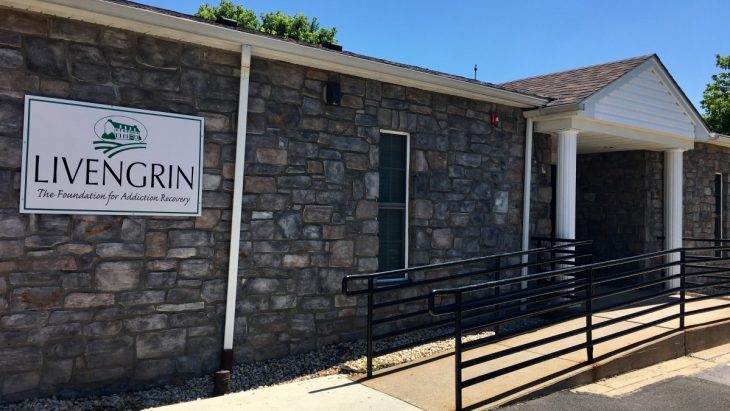
About Livengrin Foundation
Known for its rich Revolutionary era history, Philadelphia, Pennsylvania, also features Livengrin Foundation Northeast Philadelphia. Since 1966, this organization has provided addiction treatment for adults.
While their Philadelphia location only offers outpatient DUI services, you can access inpatient medical detox at their main campus, less than 20 minutes away in Bensalem. Anyone can receive care. Still, they prioritize at-risk populations, including those who’ve survived overdoses, pregnant women, Veterans, and people who inject drugs.
A Serene Recovery Environment
What stands out most to me is their impressive main campus. Situated on 44 acres of private grounds, you’ll have a peaceful environment to focus on recovery away from distractions. You can access a gym, a library, and spacious common areas.
Another great feature I noticed was their gambling addiction treatment. They provide customized care for various types of gambling, including sports betting, casinos, raffling, playing the lottery, and fantasy sports. You can access tailored private and group counseling from certified gambling counselors.
Spiritual Services
I also think it’s great that they provide spiritual services. You can find deeper meaning in recovery with spiritual counseling and 12 Step meetings.
| Levels of Care | Detox Service Setting | Programs | Payment Options | ||||
|---|---|---|---|---|---|---|---|
|
Outpatient therapy involves attending therapy sessions several times each week while living at home. This is suitable if you have a strong support system and a lower risk of relapse. Outpatient treatment offers flexibility to maintain other obligations such as work or school. |
Aftercare programs provide ongoing support for those who have completed a rehab program. These supports may include therapy, community groups and relapse prevention strategies. These resources give you a network of support as you reintegrate into daily life. |
Dual diagnosis programs address substance use disorders and co-occurring mental health conditions simultaneously. By addressing the root cause of addiciton, this approach improves the likelihood of long-term recovery and stability. |
An intervention is a structured, professionally-guided conversation with an individual who is struggling with addiction. The goal is to encourage the individual to seek treatment. This is often a pivotal point for those resistant to getting help. |
Sober living homes provide a transitional living envioronment that is supportive and free of substances. Residents adhere to follow house rules and offer support to one another as they work through recovery. Sober living fosters accountability and stability during this critical phase of recovery. |
Livengrin’s 24-hour medically supervised inpatient rehabilitation program provides intensive structured treatment, therapy, and recovery support in a residential setting for individuals requiring comprehensive care. |
The Intensive Outpatient Program (IOP) offers higher-level structured outpatient support for individuals needing intensive treatment while living at home, including adolescent-focused services through the DARS program. |
The Partial Hospitalization Program delivers structured daytime treatment allowing clients to return home each evening, bridging inpatient intensity with outpatient flexibility. |
|
Outpatient detox provides access to medically supervised withdrawal services while still allowing the individual to live at home. Treatment and monitoring are provided. This flexible option is suitable for those with mild to moderate withdrawal symptoms who have strong support systems. |
Livengrin provides medically supervised detoxification and withdrawal management services in a structured inpatient setting, stabilizing clients before transitioning to residential or outpatient care. |
Livengrin provides Medication Assisted Treatment combining buprenorphine and naltrexone medications with counseling and behavioral therapies to treat opioid and alcohol use disorders. |
|||||
|
Adult programs address the substance use and life challenges specific to adults. Therapists often deliver sessions in individual, group, and family settings. Job support and life skills training can also be provided.
|
Alcohol detox programs offer medical support to achieve safe withdraw from alcohol. Your care team may use medications to ease withdrawal symptoms. They also provide medical monitoring to address complications.
|
Drug detox programs support individuals who are withdrawing from addictive substances like cocaine and heroin. Medical support helps individuals manage symptoms in a controlled and safe environment.
|
Men's programs address substance use issues as well as social pressures, family roles, and mental health concerns that are specific to men. Participants learn healthy coping mechanisms, emotional resilience, and communication skills.
|
Opioid detox uses medications to ease severe withdrawal symptoms. It also includes medical supervision to manage potential complications. These services allow individuals to stabilize and start a recovery plan.
|
Women's programs offer a safe and supportive space to focus on gender-specific issues such as trauma, family roles, and mental health conditions. Therapy sessions address women's needs and foster empowerment in a healing and nurturing environment.
|
Young adult programs are designed for individuals who are transitioning into adulthood. Discussion topics typically include identity, independence, and peer relationships. Participants may also receive life skills training and career support.
|
The Department of Addiction Recovery Services (DARS) provides specialized outpatient addiction treatment, including intensive outpatient programming, designed for adolescents and their families to address alcohol and drug use. |
|
Payment Assistance
|
Medicaid
|
Private Insurance
|
Self Pay
|
Medicare
|
Levels of Care
Outpatient therapy involves attending therapy sessions several times each week while living at home. This is suitable if you have a strong support system and a lower risk of relapse. Outpatient treatment offers flexibility to maintain other obligations such as work or school.
Aftercare programs provide ongoing support for those who have completed a rehab program. These supports may include therapy, community groups and relapse prevention strategies. These resources give you a network of support as you reintegrate into daily life.
Dual diagnosis programs address substance use disorders and co-occurring mental health conditions simultaneously. By addressing the root cause of addiciton, this approach improves the likelihood of long-term recovery and stability.
An intervention is a structured, professionally-guided conversation with an individual who is struggling with addiction. The goal is to encourage the individual to seek treatment. This is often a pivotal point for those resistant to getting help.
Sober living homes provide a transitional living envioronment that is supportive and free of substances. Residents adhere to follow house rules and offer support to one another as they work through recovery. Sober living fosters accountability and stability during this critical phase of recovery.
Livengrin’s 24-hour medically supervised inpatient rehabilitation program provides intensive structured treatment, therapy, and recovery support in a residential setting for individuals requiring comprehensive care.
The Intensive Outpatient Program (IOP) offers higher-level structured outpatient support for individuals needing intensive treatment while living at home, including adolescent-focused services through the DARS program.
The Partial Hospitalization Program delivers structured daytime treatment allowing clients to return home each evening, bridging inpatient intensity with outpatient flexibility.
Detox Service Setting
Outpatient detox provides access to medically supervised withdrawal services while still allowing the individual to live at home. Treatment and monitoring are provided. This flexible option is suitable for those with mild to moderate withdrawal symptoms who have strong support systems.
Livengrin provides medically supervised detoxification and withdrawal management services in a structured inpatient setting, stabilizing clients before transitioning to residential or outpatient care.
Livengrin provides Medication Assisted Treatment combining buprenorphine and naltrexone medications with counseling and behavioral therapies to treat opioid and alcohol use disorders.
Programs
The Department of Addiction Recovery Services (DARS) provides specialized outpatient addiction treatment, including intensive outpatient programming, designed for adolescents and their families to address alcohol and drug use.
Accreditations

Accepted Insurance
Contact



Mariah Bourne earned a Master of Arts in Community Social Psychology from the University of Massachusetts Lowell. She has worked as a research associate on addiction and treatment studies, including opioid craving interventions. Today, she is a freelance writer. She’s passionate about sharing knowledge and resources to help others start their recovery journey.

Peter W.Y. Lee is a historian with a focus in American Cold War culture. He has examined how popular culture has served as a coping mechanism for the challenges and changes impacting American society throughout the twentieth century.
Detox.com regularly reviews this listing for accuracy but changes may occur between updates. For the most up-to-date information, please contact Livengrin Foundation.
Nearby Detox Centers

Search by Pennsylvania Cities
FAQs
What detox programs does Livengrin Foundation offer in Philadelphia?
Livengrin Foundation offers medically supervised detoxification as the first step in recovery, available as inpatient detox or outpatient detox depending on individual needs. The facility provides withdrawal management and stabilization services in a safe, supportive environment, with options to transition to inpatient rehabilitation or outpatient programming based on clinical assessment.
Does Livengrin provide medication-assisted treatment for opioid detox?
Yes, Livengrin Foundation offers medication-assisted treatment (MAT) as part of its comprehensive opioid detox and recovery services. MAT combines medications such as buprenorphine/naloxone (Suboxone) or extended-release naltrexone (Vivitrol) with counseling and behavioral therapies to reduce cravings and withdrawal symptoms during detoxification.
What substances does Livengrin Foundation treat through detoxification?
Livengrin Foundation provides detoxification services for alcohol, opioids, and other drugs. The facility treats substance use disorders with medically monitored withdrawal management, and offers specialized opioid use disorder services that combine medication support with counseling and recovery planning.
Does Livengrin treat co-occurring mental health conditions during detox?
Yes, Livengrin Foundation provides dual diagnosis treatment for individuals with substance use disorders and co-occurring mental health conditions such as depression, anxiety, bipolar disorder, and PTSD. Clients receive integrated treatment addressing both addiction and mental health issues during the detoxification and recovery process.
Does Livengrin offer specialized detox programs for adolescents?
Yes, Livengrin Foundation’s Department of Addiction Recovery Services (DARS) provides specialized addiction treatment for adolescents ages 13-18, including intensive outpatient programming. The program involves parents and family members in treatment planning, helping teens stop using alcohol and drugs while teaching families healthy limit-setting and recovery support strategies.
What payment options and insurance does Livengrin Foundation accept?
Livengrin Foundation accepts most major insurance plans, Medicaid, and Medicare. The facility also offers self-pay options for those without insurance coverage. The Admissions Department can verify insurance benefits and discuss available payment options with individuals seeking detoxification services.