

 800-262-4205
True North Intensive Services

About True North Intensive Services
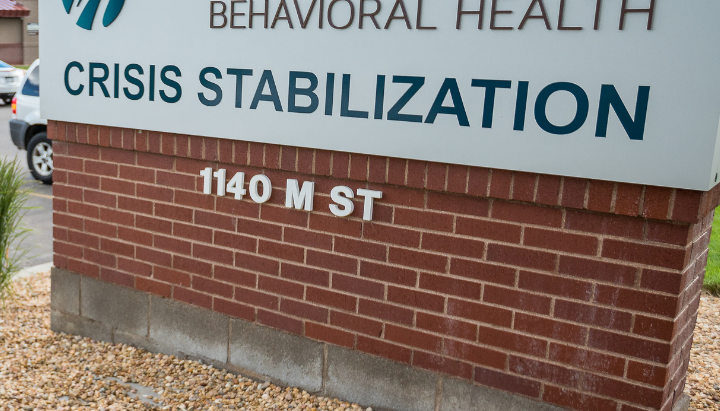
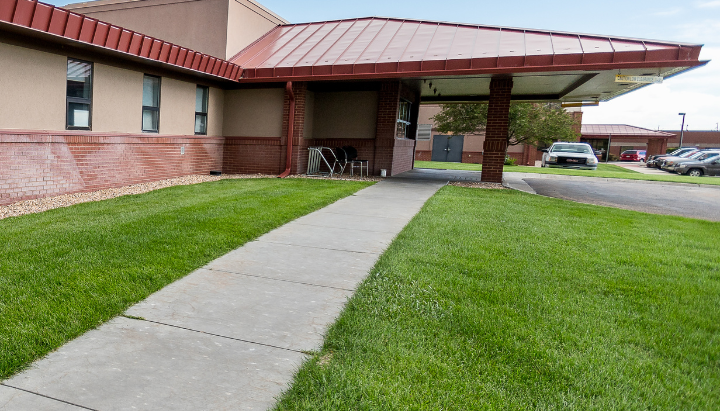
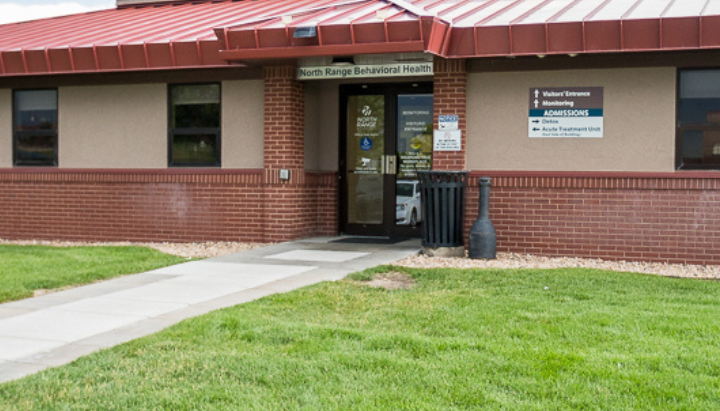
True North Intensive Services Crisis Stabilization Campus is an adult residential substance use program in Greeley, Colorado. They are located in the Hazel Chick Center which is right in downtown Greeley.
They also provide treatment with mental health concerns that co-occur with substance use. In addition to residential services there’s a morning outpatient track and an afternoon track. The support can step up or down based on what you need.
Detox withdrawal management and medication assisted treatment are available for clients who need medication as part of their treatment plan.
What residential care is offered?
True North has an intensive residential track and a transitional track. The intensive track is staffed 24 hours and the work covers life skills, relapse prevention, and relationships. The transitional track is for clients moving toward community living and employment.
Does True North take Medicaid?
They take Health First Colorado which is a Medicaid plan and Medicare along with other health insurance plans. Plus you can pay out of pocket and fees can be reduced if your income is low and you don’t have insurance. You’ll need proof of income to qualify for the reduced fee.
Relapse prevention support remains available to clients after residential and outpatient treatments have been completed.
| Levels of Care | Detox Service Setting | Programs | Payment Options | ||
|---|---|---|---|---|---|
|
Inpatient and residential programs provide round-the-clock medical and emotional support as you live at the treatment facility. This level of care may be recommended if you have severe addictions or mental health conditions since it removes outside distractions and allows you to focus solely on therapy. |
Dual diagnosis programs address substance use disorders and co-occurring mental health conditions simultaneously. This integrated approach to care improves the likelihood of long term recovery and stability by addressing the root causes of addiction. |
Aftercare programs provide ongoing support after you complete a rehab program. They may include several components to help you maintain sobriety including therapy, community support groups and relapse prevention strategies. This gives you a network of resources as you reintegrate into your daily life. |
|||
|
Inpatient detox occurs in a dedicated treatment facility. You’ll live there around the clock and receive intensive medical support and supervision to help manage your withdrawal symptoms. It is suitable for individuals with moderate to severe addictions as it ensures a stable detox environment. |
Hospital detoxification allows you to withdraw from drugs or alcohol in a hospital setting. It’s ideal for people with severe withdrawal symptoms or complex medical needs. You’ll receive constant monitoring, emergency care if needed and FDA approved prescription medications. |
||||
|
Adult programs address the substance use and life challenges specific to adults. Therapists can deliver sessions in individual, group and family settings. Services often include job support and life skills training in a structured environment. |
Alcohol detox programs offer medical support to help individuals withdraw safely from alcohol. Your care team may use medications to ease your symptoms and provide medical monitoring to address complications. |
Drug detox programs support individuals who are withdrawing from addictive substances like cocaine and heroin. Medical support helps you manage symptoms in a controlled and safe environment so you can achieve initial sobriety. |
Opioid detox uses medications to ease severe withdrawal symptoms. It also includes medical supervision to help you manage potential complications. These services allow you to stabilize and begin a recovery plan. |
Cognitive behavioral therapy focuses on changing harmful thought patterns and behaviors associated with addiction. You’ll learn healthier coping mechanisms by identifying and replacing negative thoughts. This improves your emotional resilience and decreases your relapse potential. |
|
|
Self Pay
|
Medicaid
|
Private Insurance
|
Military Insurance
|
Medicare
|
Sliding Scale Payment
|
Levels of Care
Inpatient and residential programs provide round-the-clock medical and emotional support as you live at the treatment facility. This level of care may be recommended if you have severe addictions or mental health conditions since it removes outside distractions and allows you to focus solely on therapy.
Dual diagnosis programs address substance use disorders and co-occurring mental health conditions simultaneously. This integrated approach to care improves the likelihood of long term recovery and stability by addressing the root causes of addiction.
Aftercare programs provide ongoing support after you complete a rehab program. They may include several components to help you maintain sobriety including therapy, community support groups and relapse prevention strategies. This gives you a network of resources as you reintegrate into your daily life.
Detox Service Setting
Inpatient detox occurs in a dedicated treatment facility. You’ll live there around the clock and receive intensive medical support and supervision to help manage your withdrawal symptoms. It is suitable for individuals with moderate to severe addictions as it ensures a stable detox environment.
Hospital detoxification allows you to withdraw from drugs or alcohol in a hospital setting. It’s ideal for people with severe withdrawal symptoms or complex medical needs. You’ll receive constant monitoring, emergency care if needed and FDA approved prescription medications.
Programs
Adult programs address the substance use and life challenges specific to adults. Therapists can deliver sessions in individual, group and family settings. Services often include job support and life skills training in a structured environment.
Alcohol detox programs offer medical support to help individuals withdraw safely from alcohol. Your care team may use medications to ease your symptoms and provide medical monitoring to address complications.
Drug detox programs support individuals who are withdrawing from addictive substances like cocaine and heroin. Medical support helps you manage symptoms in a controlled and safe environment so you can achieve initial sobriety.
Opioid detox uses medications to ease severe withdrawal symptoms. It also includes medical supervision to help you manage potential complications. These services allow you to stabilize and begin a recovery plan.
Cognitive behavioral therapy focuses on changing harmful thought patterns and behaviors associated with addiction. You’ll learn healthier coping mechanisms by identifying and replacing negative thoughts. This improves your emotional resilience and decreases your relapse potential.
Amenities
Accreditations


Accepted Insurance

Contact



Kimberly Hawkins holds a Masters degree in Computing and Information Sciences from East Tennessee State University. She is also a freelance writer specializing in content related to mental health, addiction recovery, and overall wellness. On Valentine’s Day of 2024, Kimberly’s only sibling passed away of an accidental drug overdose. Since then, Kimberly has become a passionate advocate for addiction recovery awareness and support.
Detox.com regularly reviews this listing for accuracy but changes may occur between updates. For the most up-to-date information, please contact True North Intensive Services.
Nearby Detox Centers



Search by Colorado Cities
FAQs
What detox services does Crisis Stabilization Services Campus offer in Greeley?
Crisis Stabilization Services Campus at North Range Behavioral Health in Greeley provides inpatient detoxification for alcohol, drugs, and opioids. The facility offers medical detox in a hospital setting with private rooms, a fitness center, and recreation facilities. Dual diagnosis support is available for individuals managing co-occurring mental health conditions alongside substance use.
Is medical detox supervised 24/7 at the Greeley detox facility?
Yes, Crisis Stabilization Services Campus provides inpatient hospital-level detoxification with continuous medical supervision. The facility is state-licensed and SAMHSA-accredited, ensuring clinical oversight throughout the detoxification process. This level of care is designed to safely manage withdrawal symptoms in a controlled medical environment.
What insurance plans does the Greeley detox facility accept?
Crisis Stabilization Services Campus accepts Medicaid, Medicare, Blue Cross Blue Shield, Anthem, Cigna, and UnitedHealth Group. The facility also offers self-pay options and sliding scale payment for those without insurance. Prospective patients can contact the facility to verify coverage and discuss payment arrangements based on their specific plan.
What happens after detox at North Range Behavioral Health?
Crisis Stabilization Services Campus provides aftercare planning and referrals following detoxification. The facility offers transition support to help individuals move into ongoing treatment such as residential programs, outpatient services, or counseling. Aftercare coordination ensures continuity of care to support sustained recovery.
Does the Greeley detox center treat opioid addiction?
Yes, Crisis Stabilization Services Campus specializes in opioid detoxification as part of its comprehensive drug detox services. The facility provides inpatient medical detox for opioid withdrawal in a hospital setting. Adult patients (18 and older) can access medically supervised care tailored to opioid dependence.
What programs are available during detox at Crisis Stabilization Services Campus?
During inpatient detoxification, the facility provides cognitive behavioral therapy (CBT) alongside medical care. Patients have access to private rooms, a fitness center, and recreation facilities to support their physical and mental well-being during detox. The program addresses both substance withdrawal and underlying behavioral health needs.