Find Drug & Alcohol Detox Centers in Saint Petersburg, FL

Detox Centers in Saint Petersburg

15 Results
Filters
Setting
Medications Offered
Treatment
Programs
Payment Options
Name Address Detox Service Setting Levels Of Care Media

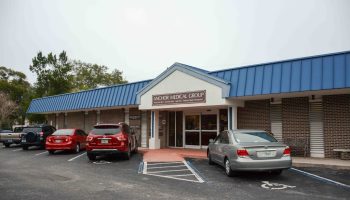
Anchor Medical Group St Petersburg

1111 7th Avenue North Saint Petersburg, FL 33705
Detox Service Setting
Outpatient Detox
Levels Of Care
OutpatientAftercare
Anchor Medical Group St Petersburg

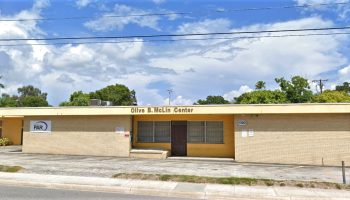
Operation PAR St Petersburg Satellite Clinic

1900 9th Street South Saint Petersburg, FL 33705
Detox Service Setting
Outpatient Detox
Levels Of Care
OutpatientAftercareDual Diagnosis
Operation PAR St Petersburg Satellite Clinic

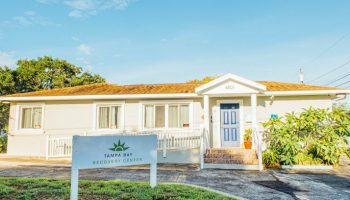
Tampa Bay Recovery Center

6501 1st Ave S Saint Petersburg, FL 33707
Detox Service Setting
Inpatient DetoxOutpatient Detox
Levels Of Care
InpatientOutpatientDual Diagnosis+2
Tampa Bay Recovery Center

Turning Point Saint Petersburg

1801 5th Ave N Saint Petersburg, FL 33713
Detox Service Setting
Inpatient DetoxOutpatient Detox
Levels Of Care
InpatientOutpatient
Turning Point Saint Petersburg

Real Recovery Sober Living St. Pete

5401 1st Ave S Saint Petersburg, FL 33707
Detox Service Setting
Inpatient DetoxOutpatient Detox
Levels Of Care
InpatientOutpatient

Southern Supportive Services

1655 16th St S Saint Petersburg, FL 33705
Detox Service Setting
Inpatient DetoxOutpatient Detox
Levels Of Care
InpatientOutpatient

Transformations by the Gulf

7217 Gulf Boulevard St. Pete Beach, FL 33706
Detox Service Setting
Inpatient DetoxOutpatient DetoxMAT
Levels Of Care
InpatientPHPOutpatient+3
Transformations by the Gulf

Footprints Beachside Recovery

9641 Gulf Boulevard Florida, FL 33706
Detox Service Setting
Hospital DetoxInpatient DetoxOutpatient Detox+1
Levels Of Care
InpatientOutpatientDual Diagnosis+5
Footprints Beachside Recovery

Footprints Beachside Recovery

9641 Gulf Boulevard Treasure Island, FL 33706
Detox Service Setting
Inpatient DetoxOutpatient DetoxMAT
Levels Of Care
InpatientPHPOutpatient+4
Footprints Beachside Recovery

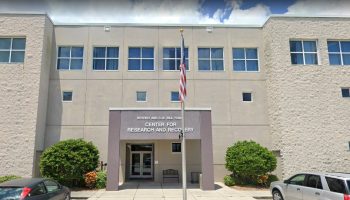
Bay Pines VA Healthcare System CW Bill Young Department of Veterans Affairs Medical Center

10000 Bay Pines Boulevard Bay Pines, FL 33744
Detox Service Setting
Inpatient DetoxOutpatient DetoxMAT
Levels Of Care
InpatientPHPOutpatient+4
Bay Pines VA Healthcare System CW Bill Young Department of Veterans Affairs Medical Center

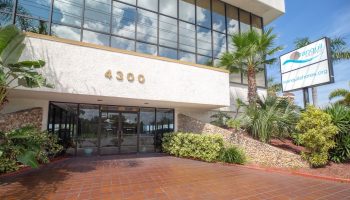
Tranquil Shores

4300 Duhme Road Madeira Beach, FL 33708
Detox Service Setting
Inpatient DetoxOutpatient Detox
Levels Of Care
InpatientOutpatientDual Diagnosis+2
Tranquil Shores

Operation PAR Largo

13800 66th Street North Largo, FL 33771
Detox Service Setting
Inpatient DetoxOutpatient Detox
Levels Of Care
InpatientOutpatientAftercare+1
Operation PAR Largo

Operation PAR

6150 150th Avenue North Clearwater, FL 33764
Detox Service Setting
Inpatient DetoxOutpatient Detox
Levels Of Care
Operation PAR

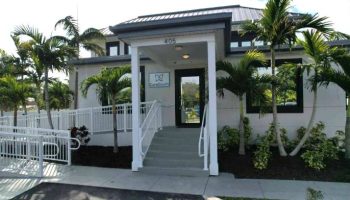
CuraSouth

405 7th Ave SW Largo, FL 33770
Detox Service Setting
Inpatient DetoxOutpatient Detox
Levels Of Care
InpatientOutpatient
CuraSouth

ANR Clinic Advanced Opioid Treatment

2002 North Lois Avenue Tampa, FL 33607
Detox Service Setting
Inpatient Detox
Levels Of Care
Inpatient
ANR Clinic Advanced Opioid Treatment

Drug & Alcohol Detox in Saint Petersburg, FL

St. Petersburg sits at the center of Pinellas County’s response to a substance use crisis that has claimed hundreds of lives annually.

The detox and addiction treatment facilities in the city are licensed and regulated by the Florida Department of Children and Families under Chapter 397 of the Florida Statutes and Florida Administrative Code 65D-30, which governs everything from clinical staffing ratios to medical supervision requirements for detoxification units.

As well, the Pinellas County Opioid Task Force, which includes the Florida Department of Health in Pinellas County, law enforcement, healthcare systems, and community organizations, coordinates strategy and data across the county.

Recent years have brought significant investment and policy movement. In fact, the State of Florida has allocated more than $90 million in regional opioid abatement settlement funds to Pinellas County over 18 years, directed by a local Opioid Abatement Funding Advisory Board (OAFAB).

Furthermore, the Pinellas MATTERS Hospital Bridge Program, now operating at area hospitals including Bayfront Health St. Petersburg, embeds peer support specialists in emergency departments to connect overdose patients with medication-assisted treatment and wraparound services before discharge.

The state also selected Pinellas County as one of 12 counties to participate in its Coordinated Opioid Response (CORe) initiative, which extends MAT access and counseling availability into weekend hours through providers including Operation PAR.

When searching for a detox center, proximity to hospital-based acute care matters. Pinellas County ranks consistently among the highest in Florida for opioid-related overdose deaths, with the highest concentration of cases centered in and around St. Petersburg.

The city has both private residential programs and publicly funded providers operating on sliding fee scales, giving people across income levels access to medically supervised care.

Find The Perfect Detox Center For You

Filter treatment centers in Saint Petersburg by level of care offered to find the best detox program for you or a loved one.

Paying for Detox in Saint Petersburg

The cost of drug and alcohol detox in St. Petersburg ranges widely, depending on the level of care, length of stay, medical complexity and whether the provider is private, nonprofit or publicly funded.

Florida’s mental health and substance use parity laws, aligned with the Affordable Care Act, require that insurers provide substance use treatment coverage on par with other medical benefits.

Most people find they can reduce out-of-pocket expenses significantly through insurance, Medicaid or publicly funded detox programs.

How Much Does Detox Cost in Saint Petersburg?

The cost of detox in the St. Petersburg area is shaped primarily by the level of medical supervision, the substance involved and whether care is delivered in a hospital, residential facility or outpatient setting.

For example, alcohol and benzodiazepine detox typically require higher-acuity supervision due to seizure risk, which can increase costs. Whereas opioid detox costs can vary based on whether medication-assisted treatment is incorporated and at what dosage.

St. Petersburg-specific cost data is not publicly available. However, the figures below reflect Florida state-level averages, which apply broadly to the Tampa Bay market.

$142,000
Medical Detox
$48,000
Inpatient Rehab
$10,000
Outpatient Rehab
$5,500
Methadone Treatment

Does Private Insurance Cover Detox in Saint Petersburg?

Private insurance companies operating in Florida must comply with the Affordable Care Act, which requires substance use treatment to be covered at parity with other medical benefits. The Florida Office of Insurance Regulation oversees insurer compliance.

Residents can verify their coverage and network status through the Florida Health Finder or each insurer’s provider directory.

The most common commercial insurance plans in the St. Petersburg and Pinellas County market include:

United Health Care
Aetna
Cigna
Humana
Molina Healthcare

Medicare and Medicaid in Saint Petersburg

Medicare

Medicare covers medically necessary detox services in St. Petersburg, including inpatient and outpatient programs. Part A covers hospital-based detox stays subject to deductibles and coinsurance, while Part B covers outpatient treatment and opioid treatment program services, including methadone, buprenorphine and naltrexone. Costs can vary by plan and the specific services received.

Medicaid

Florida Medicaid, administered as the Statewide Medicaid Managed Care (SMMC) program through the Agency for Health Care Administration (AHCA), covers medical detox, inpatient residential care, outpatient services and MAT when medically necessary. Behavioral health services are a minimum covered benefit under all Managed Medical Assistance plans.

Because the managing entities coordinate services regionally, Pinellas County residents receive behavioral health coordination through the designated regional ME for the Tampa Bay area.

Prior authorization may apply for inpatient and residential levels of care.

Other Ways to Pay for Detox Treatment

Cost should not be the reason someone delays seeking care. Several programs and organizations in and around St. Petersburg can help cover detox expenses without private health insurance:

Sliding Scale Payment Systems: 

Operation PAR, one of Pinellas County’s largest nonprofit treatment providers, offers medical detox, MAT and residential services at all of its locations on a sliding fee scale that is based on income. Both Medicaid and private insurance are accepted, and uninsured clients may qualify for reduced rates.

Nonprofits and Faith-Based Programs: 

The Salvation Army Adult Rehabilitation Center (ARC) at 5885 66th Street North in St. Petersburg provides residential recovery programming for individuals with few financial resources. Services are supported by charitable donations, allowing access to care independent of insurance status.

Local and State Government Programs: 

Pinellas County’s opioid abatement settlement funds, directed by the Opioid Abatement Funding Advisory Board, are actively being deployed to fund treatment access programs. The Pinellas MATTERS Hospital Bridge Program provides MAT initiation and peer support to overdose patients at no cost at participating emergency departments.

Veterans Programs: 

The James A. Haley Veterans’ Hospital in Tampa serves Pinellas County veterans and provides substance use treatment, MAT, and residential detox services through the VA system. Veterans in St. Petersburg can also access outpatient SUD services through Tampa Bay-area VA community-based outpatient clinics.

Saint Petersburg, Florida Regulations and Accreditation for Detox

Detox and addiction treatment facilities in St. Petersburg operate under a layered set of state and local oversight structures. Several of the key regulatory and accreditation bodies include:

Florida Department of Children and Families (DCF), Office of Substance Abuse and Mental Health (SAMH)

DCF is the primary state licensing authority for all substance use disorder treatment providers in Florida, including detox facilities. As such, any entity providing detoxification, residential treatment or intensive outpatient services must be licensed under Chapter 397, Florida Statutes, and comply with Florida Administrative Code 65D-30.

DCF’s SAMH office is also designated as the federally recognized single state authority for substance abuse, responsible for coordinating and funding publicly supported behavioral health services statewide.

Florida Agency for Health Care Administration (AHCA)

AHCA administers the Florida Medicaid program, including Statewide Medicaid Managed Care and oversees the certification of providers billing Medicaid for substance use disorder treatment. AHCA also licenses hospital-based detox units and publishes the provider directory used to verify network participation.

Furthermore, detox facilities seeking Medicaid reimbursement must meet AHCA certification standards in addition to DCF licensure requirements.

Florida Department of Health in Pinellas County (DOH-Pinellas)

DOH-Pinellas is the local public health authority with direct responsibility for epidemiological surveillance of overdose trends and community health planning in Pinellas County. The department plays a central role in the Pinellas County Opioid Task Force, coordinates Operation Spring Break outreach in partnership with harm reduction groups, and administers the county health department’s authority to distribute naloxone to individuals at risk of overdose under Florida Statute 893.21.

District Six Medical Examiner's Office

The District Six Medical Examiner serves Pinellas and Pasco Counties. While not a regulator of treatment facilities, the office provides the authoritative toxicology and fatality data that drives regulatory prioritization for both DCF and DOH-Pinellas. Moreover, published data from the medical examiner on overdose substances, demographics, and trends informs the county’s opioid task force strategy and guides the allocation of abatement settlement funds.

Pinellas County Opioid Task Force

A multidisciplinary coordinating body that includes DOH-Pinellas, law enforcement, EMS, human services and community organizations. This task force tracks performance metrics, publishes annual strategic plans and coordinates the county’s response across prevention, harm reduction, acute care and recovery support.

Key MAT Medications and Regulatory Status in Saint Petersburg

Medication-assisted treatment in the St. Petersburg area is regulated at both the federal and state levels. Federally, any opioid-based MAT must comply with SAMHSA’s Opioid Treatment Program rules under 42 CFR Part 8 and DEA controlled-substance regulations. At the state level, DCF/SAMH licenses and oversees MAT providers and requires that counseling and behavioral support accompany prescribed medications.

Buprenorphine: 

Available at a range of settings in St. Petersburg, including Operation PAR outpatient locations and through telehealth providers. Since the federal elimination of the X-waiver requirement in 2023, any DEA-licensed prescriber can initiate buprenorphine, substantially reducing access barriers for people seeking opioid use disorder treatment.

Methadone: 

Restricted to SAMHSA-certified Opioid Treatment Programs and cannot be dispensed at a standard pharmacy for opioid use disorder. Operation PAR operates an OTP serving the Pinellas market. Initial dosing requires in-person daily visits, though Florida Medicaid covers methadone maintenance, making it financially accessible for eligible patients.

Naltrexone: 

Requires no special federal licensing and carries no abuse potential. It is available at outpatient clinics and primary care settings. The injectable form, Vivitrol, is widely used in the area for both opioid use disorder and alcohol use disorder and is covered by Florida Medicaid.

Overdose Prevention and Harm Reduction in Saint Petersburg

Pinellas County has built a growing network of harm reduction services, with St. Petersburg at the geographic center of most programs. Fentanyl contamination of the local drug supply has made access to naloxone, test strips and safer-use supplies a direct life-safety issue.

Organizations listed below provide these resources to anyone who needs them, without requirements to disclose identity or commit to treatment.

These services frequently serve as the first sustained point of contact between people who use drugs and the health system, and many connect participants to fentanyl overdose resources and treatment referrals.

Detox Statistics in Saint Petersburg, Florida

Pinellas County has seen meaningful improvement in overdose mortality since 2022, with the first recorded annual decline in overdose deaths since 2018. However, Fentanyl remains the dominant substance in fatal cases, but expanded harm reduction infrastructure and MAT access appear to be contributing to the downward trend.

21% Drop in Overdose Deaths:

Pinellas County recorded 496 accidental substance use deaths in 2023, a 21% decline from 597 deaths in 2022, representing the first year-over-year decrease since 2018.

People aged 35 and Up Account for 80% of Fatalities In Pinellas County: 

Overdose deaths are heavily concentrated in older adults, with individuals aged 35 and older accounting for 80% of opioid-related fatalities. Only 3% of deaths in 2023 involved people under 25.

387 Opioid-Related Deaths in 2023:

Of the 496 accidental substance use deaths in Pinellas County in 2023, 387 (approximately 78%) were opioid-related, according to county health officials.

FAQs About Detox in Saint Petersburg, FL

Is there publicly funded detox available in St. Petersburg for people without insurance?

Yes. Operation PAR operates multiple locations in the St. Petersburg and Pinellas area and provides medical detox, residential treatment and outpatient services on a sliding fee scale that is based on income. Uninsured residents may qualify for state-funded treatment slots through DCF/SAMH’s publicly funded services. Call Operation PAR directly at 888-727-6398 to discuss eligibility before arriving.

What is the Pinellas MATTERS program and how does it help people access detox?

Pinellas MATTERS is a hospital bridge program operating at emergency departments in Pinellas County, including Bayfront Health St. Petersburg. When someone arrives at an ER for an overdose or withdrawal-related crisis, a peer support specialist with lived experience meets them at the bedside, initiates medications for opioid use disorder and coordinates placement in ongoing treatment before the person is discharged.

It is designed to close the gap between an acute crisis and entering a formal inpatient detox program.

Can I get naloxone for free in St. Petersburg without a prescription?

Yes. IDEA Exchange Pinellas and the Florida Harm Reduction Collective both distribute naloxone at no cost and without requiring identification or insurance. The Florida Department of Health in Pinellas County also distributes naloxone through community programs. Pharmacies across St. Petersburg carry naloxone over the counter without a prescription, and most insurance plans, including Medicaid, cover it at little or no cost.

How does Florida's syringe exchange law work in St. Petersburg?

Florida’s Infectious Disease Elimination Act (IDEA), signed into law in 2019, allows county commissions to authorize syringe services programs. Pinellas County passed its enabling ordinance in January 2021, which led to the opening of IDEA Exchange Pinellas in St. Petersburg.

Programs must operate on a one-to-one exchange model, provide HIV and hepatitis testing or referrals and offer connections to drug treatment. Participant identity is protected and cannot be collected or shared.

Are there detox programs in St. Petersburg that treat co-occurring mental health conditions?

Yes. Several providers in the St. Petersburg area offer dual diagnosis treatment that addresses substance use disorder and mental health conditions simultaneously. Operation PAR’s clinical programs incorporate mental health services. Personal Enrichment Through Mental Health Services (PEMHS), based in St. Petersburg, also provides integrated psychiatric and substance use care.

When searching for a program, ask specifically whether the facility is licensed for both substance abuse and mental health services under Florida’s DCF licensing framework.

What happens after detox in St. Petersburg? Is ongoing care available?

St. Petersburg has a range of post-detox options, including intensive outpatient programs, sober living homes, MAT continuation clinics and peer recovery support through organizations like the Recovery Epicenter Foundation.

As well, Operation PAR offers a continuum from detox through residential and outpatient care at its Pinellas locations.

Pinellas County’s opioid abatement settlement funds are actively being directed toward expanding recovery housing and peer support capacity, which should increase the availability of transitional services over the coming years.

Two people talking
Get Help Today!
If you or a loved one is in need of help, call today. Pick up the phone and get the help you need.
800-483-2193
Confidential. Available 24 Hours

Browse Detox Centers

Get Help Today Phone icon 800-779-4314