800-262-4205
Pivot Drug Rehabilitation Center

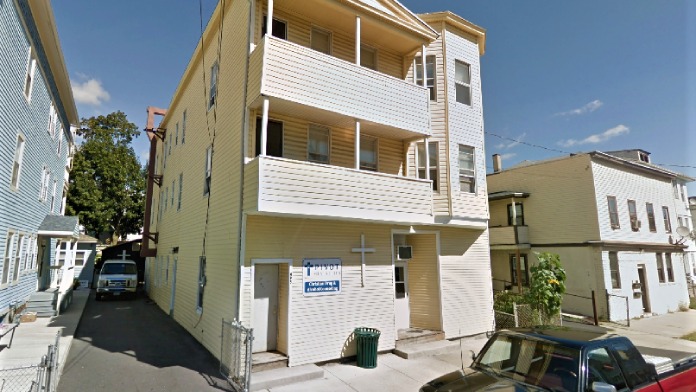
About Pivot Drug Rehabilitation Center
Pivot Drug Rehabilitation Center is a faith-based addiction treatment program in Bridgeport, Connecticut, offering long-term residential care for men struggling with drug and alcohol addiction. Located on Jane St, the center provides a structured nine-month recovery program rooted in Christian principles and designed to help men heal spiritually, emotionally and practically.
With crisis intervention, counseling and vocational preparation, Pivot focuses on helping residents return to their families and communities as “usefully whole.” They don’t have detox on site but they can help you access detox care if needed.
Residential Recovery Programs at Pivot
Men entering Pivot begin with the “Enter to Change” phase, a crisis intervention and stabilization period that addresses immediate needs, including shelter, food, clothing, safety and access to medical care. This medical care can include medical detox or stabilization. From there, residents progress into “Remain to Grow,” where they participate in individual and group counseling, biblical principles classes, anger management and conflict resolution training.
The final “Depart to Serve” phase prepares men for reintegration by focusing on career development, education pathways and ongoing involvement in faith community support. Throughout the nine months, Pivot’s structured program treats addiction as a spiritual challenge and equips residents with tools for long-term recovery and relapse prevention.
Key Features of Pivot Drug Rehabilitation Center
- Location: Bridgeport, Connecticut, at 495 Jane St, with 24-hour crisis hotline access
- Level of care: Nine-month residential treatment program structured in three phases
- Who they serve: Adult men seeking recovery from drug and alcohol addiction
- Treatment approach: Faith-based Christian counseling, anger management, conflict resolution and biblical principles
- Cost: One-time $500 intake fee with no other charges stated
- Environment: Smoke-free residential setting with basic needs support and access to medical care
- Aftercare: Alumni association, ongoing vocational and counseling support and family counseling services
| Levels of Care | Detox Service Setting | Programs | Payment Options |
|---|---|---|---|
|
Inpatient and residential programs provide round-the-clock medical and emotional support as you live at the treatment facility. This level of care may be recommended if you have severe addictions or mental health conditions since it removes outside distractions and allows you to focus solely on therapy. |
In outpatient therapy, you’ll attend therapy sessions several times each week while living at home. This is ideal if you have a strong support system and a lower risk of relapse. Outpatient treatment offers flexibility to maintain work, school or family obligations. |
||
|
Inpatient detox occurs in a dedicated treatment facility. You’ll live there around the clock and receive intensive medical support and supervision to help manage your withdrawal symptoms. It is suitable for individuals with moderate to severe addictions as it ensures a stable detox environment. |
Outpatient detox gives you access to medically supervised withdrawal services while still allowing you to live at home. You’ll attend a clinic for treatment and monitoring. This flexible option is suitable for those with mild to moderate withdrawal symptoms who have strong support systems. |
||
|
Alcohol detox programs offer medical support to help individuals withdraw safely from alcohol. Your care team may use medications to ease your symptoms and provide medical monitoring to address complications.
|
Drug detox programs support individuals who are withdrawing from addictive substances like cocaine and heroin. Medical support helps you manage symptoms in a controlled and safe environment so you can achieve initial sobriety.
|
||
|
Private Insurance
|
Self Pay
|
Levels of Care
Inpatient and residential programs provide round-the-clock medical and emotional support as you live at the treatment facility. This level of care may be recommended if you have severe addictions or mental health conditions since it removes outside distractions and allows you to focus solely on therapy.
In outpatient therapy, you’ll attend therapy sessions several times each week while living at home. This is ideal if you have a strong support system and a lower risk of relapse. Outpatient treatment offers flexibility to maintain work, school or family obligations.
Detox Service Setting
Inpatient detox occurs in a dedicated treatment facility. You’ll live there around the clock and receive intensive medical support and supervision to help manage your withdrawal symptoms. It is suitable for individuals with moderate to severe addictions as it ensures a stable detox environment.
Outpatient detox gives you access to medically supervised withdrawal services while still allowing you to live at home. You’ll attend a clinic for treatment and monitoring. This flexible option is suitable for those with mild to moderate withdrawal symptoms who have strong support systems.
Programs
Contact



Maygen Brockway, MTC, lives in scenic Southern Utah and has over 10 years of editing and writing experience. She’s created content for the medical, wedding, fashion, and technical industries. She loves poetry and coffee, writing, and being a social butterfly and a mom.
Detox.com regularly reviews this listing for accuracy but changes may occur between updates. For the most up-to-date information, please contact Pivot Drug Rehabilitation Center.