

 800-262-4205
Pyramid Healthcare Inc. – Ridgeview Residential Treatment Center for Young Adult Men

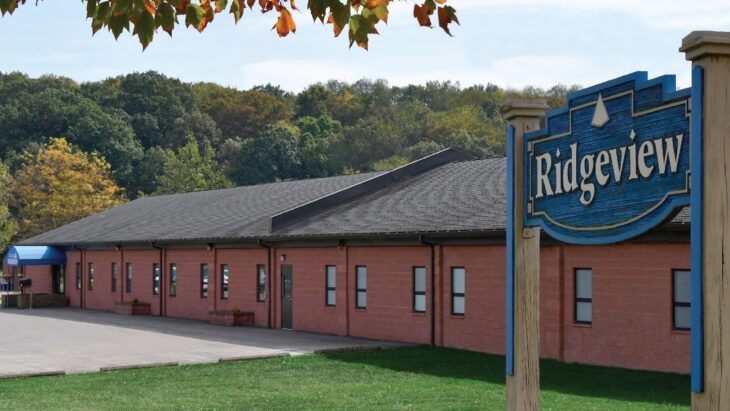
About Pyramid Healthcare Inc. – Ridgeview Residential Treatment Center for Young Adult Men
Ridgeview Residential Treatment Center, operated by Pyramid Healthcare, is a facility that provides addiction treatment for young men in Gibsonia, Pennsylvania. Medication assisted treatment (MAT), peer support, and holistic treatment are few of the services available to clients. The facility accepts Medicaid and other health insurance options for payment. Admissions take place 24/7, and they even offer free rides to their facility.
Counseling Combined With FDA Approved Medications
MAT is offered as a part of your detox protocol and throughout your residential stay if necessary. Medications used at Pyramid Healthcare include naltrexone, methadone, and buprenorphine. They’re approved by the FDA for treating opioid use disorders for a safe and controlled withdrawal process.
These medications minimize uncomfortable withdrawal symptoms such as stomach pain and muscle aches. Along with medicine, you’ll participate in counselling to address the psychological and physical aspects of your addiction. Your counselor will help you discover the cause of your substance use and come up with strategies that can prevent you from relapsing.
Holistic Treatments for Addiction Healing
The facility uses holistic treatments as a part of your addiction recovery. Clients can participate in onsite low element ropes courses, art therapy, outdoor exercise, and yoga. These activities will expose you to new ways you can reduce your stress and improve your mood without the use of substances.
One reviewer described Ridgeview Residential Treatment Center as the place that changed their life. They described the staff as wonderful and that other clients all worked together to help each other out.
| Levels of Care | Detox Service Setting | Programs | Payment Options | ||
|---|---|---|---|---|---|
|
Inpatient and residential programs provide round-the-clock medical and emotional support as you live at the treatment facility. This level of care may be recommended if you have severe addictions or mental health conditions, because it offers a distraction-free environment where you can focus solely on recovery. |
Outpatient therapy involves attending therapy sessions several times each week while living at home. This is suitable if you have a strong support system and a lower risk of relapse. Outpatient treatment offers flexibility to maintain other obligations such as work or school. |
Aftercare programs provide ongoing support for those who have completed a rehab program. These supports may include therapy, community groups and relapse prevention strategies. These resources give you a network of support as you reintegrate into daily life. |
Dual diagnosis programs address substance use disorders and co-occurring mental health conditions simultaneously. This integrated approach to care improves the likelihood of long term recovery and stability by addressing the root causes of addiction. |
||
|
Inpatient detox occurs in a dedicated treatment facility. Participants live at the facility around the clock and receive intensive medical support and supervision to help alleviate withdrawal symptoms. This setting is suitable for individuals with moderate to severe addictions, as it ensures a stable detox environment. |
Outpatient detox provides access to medically supervised withdrawal services while still allowing the individual to live at home. Treatment and monitoring are provided. This flexible option is suitable for those with mild to moderate withdrawal symptoms who have strong support systems. |
||||
|
Alcohol detox programs offer medical support to achieve safe withdraw from alcohol. Your care team may use medications to ease withdrawal symptoms. They also provide medical monitoring to address complications.
|
Drug detox programs support individuals who are withdrawing from addictive substances like cocaine and heroin. Medical support helps individuals manage symptoms in a controlled and safe environment.
|
Men's programs address substance use issues as well as social pressures, family roles, and mental health concerns that are specific to men. Participants learn healthy coping mechanisms, emotional resilience, and communication skills.
|
Opioid detox uses medications to ease severe withdrawal symptoms. It also includes medical supervision to manage potential complications. These services allow individuals to stabilize and start a recovery plan.
|
Women's programs offer a safe and supportive space to focus on gender-specific issues such as trauma, family roles, and mental health conditions. Therapy sessions address women's needs and foster empowerment in a healing and nurturing environment.
|
Young adult programs are designed for individuals who are transitioning into adulthood. Topics of discussion typically include identity, independence and peer relationships. Providers may also offer life skills training and career support. |
|
Payment Assistance
|
Medicaid
|
Private Insurance
|
Self Pay
|
Levels of Care
Inpatient and residential programs provide round-the-clock medical and emotional support as you live at the treatment facility. This level of care may be recommended if you have severe addictions or mental health conditions, because it offers a distraction-free environment where you can focus solely on recovery.
Outpatient therapy involves attending therapy sessions several times each week while living at home. This is suitable if you have a strong support system and a lower risk of relapse. Outpatient treatment offers flexibility to maintain other obligations such as work or school.
Aftercare programs provide ongoing support for those who have completed a rehab program. These supports may include therapy, community groups and relapse prevention strategies. These resources give you a network of support as you reintegrate into daily life.
Dual diagnosis programs address substance use disorders and co-occurring mental health conditions simultaneously. This integrated approach to care improves the likelihood of long term recovery and stability by addressing the root causes of addiction.
Detox Service Setting
Inpatient detox occurs in a dedicated treatment facility. Participants live at the facility around the clock and receive intensive medical support and supervision to help alleviate withdrawal symptoms. This setting is suitable for individuals with moderate to severe addictions, as it ensures a stable detox environment.
Outpatient detox provides access to medically supervised withdrawal services while still allowing the individual to live at home. Treatment and monitoring are provided. This flexible option is suitable for those with mild to moderate withdrawal symptoms who have strong support systems.
Programs
Young adult programs are designed for individuals who are transitioning into adulthood. Topics of discussion typically include identity, independence and peer relationships. Providers may also offer life skills training and career support.
Amenities
Accreditations

Accepted Insurance
Contact



Eric has a passion for content creation, whether it’s writing articles or making YouTube videos. He appreciates the power of storytelling to inform an audience about the information they need to know. In addition to writing, he also spends his time traveling and discovering new restaurants.

Peter W.Y. Lee is a historian with a focus in American Cold War culture. He has examined how popular culture has served as a coping mechanism for the challenges and changes impacting American society throughout the twentieth century.
Detox.com regularly reviews this listing for accuracy but changes may occur between updates. For the most up-to-date information, please contact Pyramid Healthcare Inc. – Ridgeview Residential Treatment Center for Young Adult Men.
Nearby Detox Centers
Search by Pennsylvania Cities
FAQs
What residential treatment programs does Ridgeview offer for young adult men?
Ridgeview Residential Treatment Center in Gibsonia provides 24/7 residential treatment for young adult men ages 18 to 25 struggling with substance use disorders and co-occurring mental health conditions. The program emphasizes evidence-based therapies, life skills development, family involvement, and peer accountability in a structured therapeutic community setting.
Does Ridgeview treat both substance use and mental health disorders together?
Yes, Ridgeview offers dual-diagnosis treatment, integrating mental health care with substance use treatment. Clients with co-occurring disorders receive individualized, group, and family therapy alongside psychoeducational programming designed to address both conditions simultaneously in the residential setting.
What is the daily structure like during residential treatment at Ridgeview?
Ridgeview operates a 24/7 structured residential environment where young adult men participate in individual therapy, group therapy, family sessions, life skills classes, and relapse prevention education. The program emphasizes community-based recovery, accountability, and preparation for independent living through a mix of clinical and experiential programming.
What insurance does Ridgeview Residential Treatment Center accept?
Ridgeview accepts most major insurance plans, including Blue Cross Blue Shield. The facility also offers self-pay options for those without insurance coverage. Clients are encouraged to contact the center directly to verify their specific insurance coverage and discuss payment arrangements.
Is Ridgeview in Gibsonia accredited and what does that mean?
Ridgeview Residential Treatment Center holds CARF accreditation, a nationally recognized credentialing body that verifies quality, safety, and effectiveness in behavioral health and substance use treatment. This accreditation confirms the facility meets rigorous clinical and operational standards.
How does family involvement work during treatment at Ridgeview?
Family therapy is a core component of Ridgeview’s program. Young adult men participate in structured family sessions designed to support recovery, rebuild relationships, and prepare loved ones to support long-term sobriety. The facility integrates family involvement throughout the residential treatment experience.