

 800-262-4205
Recovery Innovations

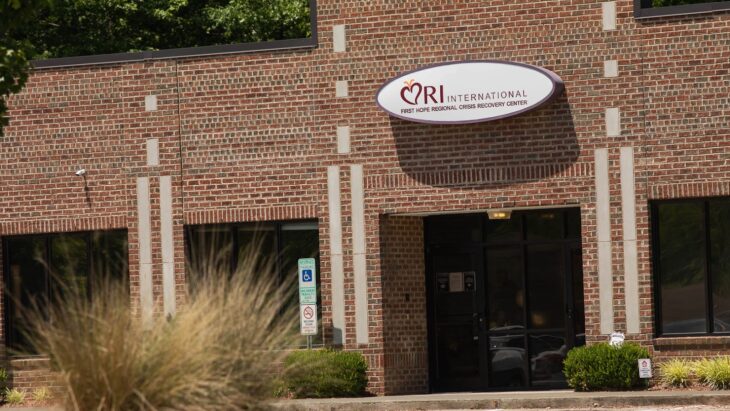

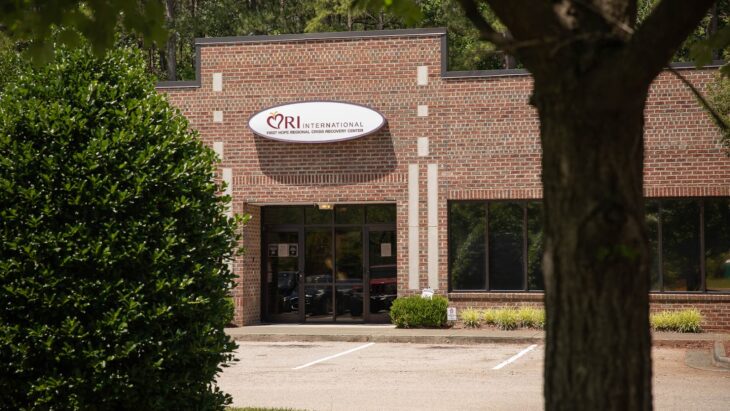
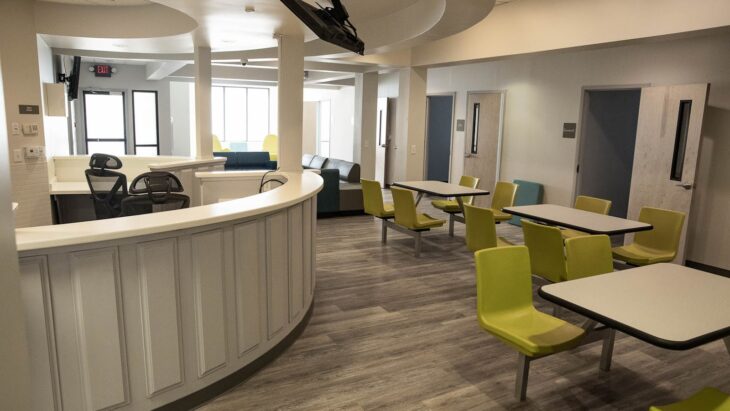



About Recovery Innovations
Recovery Innovations was a behavioral health and crisis services provider in Henderson, North Carolina offering peer powered and recovery oriented support for clients facing mental health and substance use challenges.
They were guided by a mission to spark hope and empower transformation through evidence based and client centered services.
Behavioral Health and Crisis Programs
Recovery Innovations delivered services through the Crisis Now model which provided someone to call, someone to respond, and a safe place to go. Clients experiencing a mental health crisis could access short term crisis stabilization services offering intensive focused support.
In addition crisis respite programs provided a supportive home-like environment as an alternative to hospitalization. Peer support services delivered by staff with lived experience were a core element of care helping clients move toward lasting recovery and wellness.
Quick Facts About Recovery Innovations
- Location: Henderson, North Carolina, at 300 Parkview Drive West.
- Services: Crisis stabilization, crisis respite, and peer support programs.
- Who they served: Clients facing mental health crises, homelessness, substance use challenges, and complex health needs.
- Approach: Peer powered, recovery oriented, and client centered behavioral health care.
- Model: Community based support designed as an alternative to institutional settings.
- Focus: Lived experience peer support integrated with clinical services.
| Levels of Care | Detox Service Setting | Programs | Payment Options | ||||
|---|---|---|---|---|---|---|---|
|
Inpatient
|
Intensive Outpatient
|
In outpatient therapy, you’ll attend therapy sessions several times each week while living at home. This is ideal if you have a strong support system and a lower risk of relapse. Outpatient treatment offers flexibility to maintain work, school or family obligations. |
Dual diagnosis programs address substance use disorders and co-occurring mental health conditions simultaneously. This integrated approach to care improves the likelihood of long term recovery and stability by addressing the root causes of addiction. |
An intervention is a structured and professionally guided conversation with an individual who is struggling with addiction. During the conversation, family and friends will encourage you to seek treatment. This is often a pivotal step for those resistant to getting help. |
|||
|
Hospital detox allows you to withdraw from drugs or alcohol in a hospital setting. It’s ideal for people with severe withdrawal symptoms or complex medical needs. You’ll receive constant monitoring, emergency care if needed and FDA-approved prescription medications. |
Inpatient detox occurs in a dedicated treatment facility. You’ll live there around the clock and receive intensive medical support and supervision to help manage your withdrawal symptoms. It is suitable for individuals with moderate to severe addictions as it ensures a stable detox environment. |
Outpatient detox gives you access to medically supervised withdrawal services while still allowing you to live at home. You’ll attend a clinic for treatment and monitoring. This flexible option is suitable for those with mild to moderate withdrawal symptoms who have strong support systems. |
|||||
|
Adult programs address the substance use and life challenges specific to adults. Therapists can deliver sessions in individual, group, and family settings. Services often include job support and life-skills training in a structured environment.
|
Young adult programs are designed for individuals who are transitioning into adulthood. Topics of discussion typically include identity, independence, and peer relationships. Providers may also offer life-skills training and career support.
|
Women's programs offer a safe and supportive space to focus on gender-specific issues such as trauma, family roles, and mental health conditions. Therapists tailor the sessions to address women's needs and foster empowerment in a healing and nurturing environment.
|
Men's programs address substance use while also considering the social pressures, family roles, and mental health concerns that are specific to men. You’ll learn healthy coping mechanisms as you build emotional resilience and develop communication skills.
|
LGBTQ-friendly programs create an inclusive and affirming space for recovery. Treatment is sensitive to issues like discrimination and stigma. You’ll receive support and therapy that respects and acknowledges your unique experiences.
|
Military / Veterans
|
Drug detox programs support individuals who are withdrawing from addictive substances like cocaine and heroin. Medical support helps you manage symptoms in a controlled and safe environment so you can achieve initial sobriety. |
Cognitive behavioral therapy focuses on changing harmful thought patterns and behaviors associated with addiction. You’ll learn healthier coping mechanisms by identifying and replacing negative thoughts. This improves your emotional resilience and decreases your relapse potential. |
|
Self Pay
|
Medicaid
|
State Family Services
|
Private Insurance
|
Military Insurance
|
Levels of Care
In outpatient therapy, you’ll attend therapy sessions several times each week while living at home. This is ideal if you have a strong support system and a lower risk of relapse. Outpatient treatment offers flexibility to maintain work, school or family obligations.
Dual diagnosis programs address substance use disorders and co-occurring mental health conditions simultaneously. This integrated approach to care improves the likelihood of long term recovery and stability by addressing the root causes of addiction.
An intervention is a structured and professionally guided conversation with an individual who is struggling with addiction. During the conversation, family and friends will encourage you to seek treatment. This is often a pivotal step for those resistant to getting help.
Detox Service Setting
Hospital detox allows you to withdraw from drugs or alcohol in a hospital setting. It’s ideal for people with severe withdrawal symptoms or complex medical needs. You’ll receive constant monitoring, emergency care if needed and FDA-approved prescription medications.
Inpatient detox occurs in a dedicated treatment facility. You’ll live there around the clock and receive intensive medical support and supervision to help manage your withdrawal symptoms. It is suitable for individuals with moderate to severe addictions as it ensures a stable detox environment.
Outpatient detox gives you access to medically supervised withdrawal services while still allowing you to live at home. You’ll attend a clinic for treatment and monitoring. This flexible option is suitable for those with mild to moderate withdrawal symptoms who have strong support systems.
Programs
Drug detox programs support individuals who are withdrawing from addictive substances like cocaine and heroin. Medical support helps you manage symptoms in a controlled and safe environment so you can achieve initial sobriety.
Cognitive behavioral therapy focuses on changing harmful thought patterns and behaviors associated with addiction. You’ll learn healthier coping mechanisms by identifying and replacing negative thoughts. This improves your emotional resilience and decreases your relapse potential.
Amenities
Accreditations

Contact


- Monday Open 24 hours
- Tuesday Open 24 hours
- Wednesday Open 24 hours
- Thursday Open 24 hours
- Friday Open 24 hours
- Saturday Open 24 hours
- Sunday Open 24 hours

Kimberly Hawkins holds a Masters degree in Computing and Information Sciences from East Tennessee State University. She is also a freelance writer specializing in content related to mental health, addiction recovery, and overall wellness. On Valentine’s Day of 2024, Kimberly’s only sibling passed away of an accidental drug overdose. Since then, Kimberly has become a passionate advocate for addiction recovery awareness and support.
Detox.com regularly reviews this listing for accuracy but changes may occur between updates. For the most up-to-date information, please contact Recovery Innovations.
Nearby Detox Centers



Search by North Carolina Cities
FAQs
Does Recovery Innovations in Henderson, NC offer detox services for substance use?
Recovery Innovations provides community-based behavioral health services for people with substance use challenges, including crisis stabilization and peer support services. The facility focuses on recovery-oriented care delivered in community settings rather than institutional environments. Contact the center directly to discuss specific detox program availability and eligibility.
What crisis services are available at Recovery Innovations in Henderson?
Recovery Innovations operates Crisis Now services, which include someone to call, mobile response, and crisis stabilization in a safe setting. The facility also offers crisis respite programs that provide short-term, supportive care as an alternative to hospitalization. These services are designed to help individuals experiencing mental health or substance use crises remain in the community.
What role does peer support play in Recovery Innovations' treatment approach?
Peer support is central to Recovery Innovations’ model. Staff members with lived experience in recovery work alongside clinical teams to support individuals in their recovery journey. This peer-powered approach emphasizes hope, empowerment, and community-based care rather than institutional settings.