Find Drug & Alcohol Detox Centers in Fort Lauderdale, FL

Detox Centers in Fort Lauderdale

18 Results
Filters
Setting
Medications Offered
Treatment
Programs
Payment Options
Name Address Detox Service Setting Levels Of Care Media

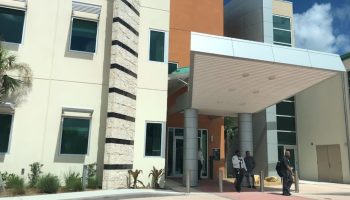
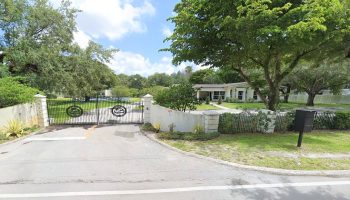
BARC Broward Addiction Recovery Center Central

325 Southwest 28th Street Fort Lauderdale, FL 33315
Detox Service Setting
Inpatient DetoxOutpatient DetoxMAT
Levels Of Care
InpatientPHPOutpatient+1
BARC Broward Addiction Recovery Center Central

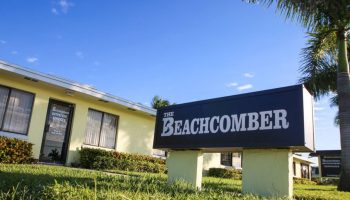
Beachcomber Family Treatment Center

1001 West Commercial Boulevard Fort Lauderdale, FL 33309
Detox Service Setting
Inpatient DetoxOutpatient Detox
Levels Of Care
InpatientOutpatientAftercare+1
Beachcomber Family Treatment Center

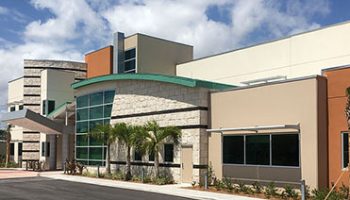
Broward Addiction Recovery Center (BARC)/Detox/Outpatient

1011 Southwest 2nd Court Fort Lauderdale, FL 33312
Detox Service Setting
Inpatient DetoxOutpatient Detox
Levels Of Care
Broward Addiction Recovery Center (BARC)/Detox/Outpatient

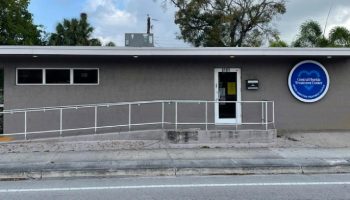
Central Florida Treatment Centers Fort Lauderdale

3181 Davie Blvd Fort Lauderdale, FL 33312
Detox Service Setting
Inpatient DetoxOutpatient Detox
Levels Of Care
InpatientOutpatient
Central Florida Treatment Centers Fort Lauderdale

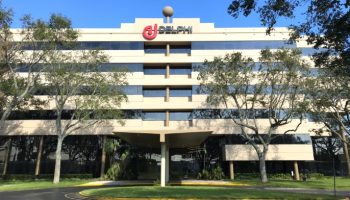
Delphi Behavioral Health Group

1901 W Cypress Creek Rd Fort Lauderdale, FL 33309
Detox Service Setting
Inpatient DetoxOutpatient Detox
Levels Of Care
InpatientOutpatient
Delphi Behavioral Health Group

Destination Hope

6460 Northwest 5th Way Fort Lauderdale, FL 33309
Detox Service Setting
Inpatient DetoxOutpatient DetoxMAT
Levels Of Care
InpatientOutpatientAftercare+3
Destination Hope

Destination Hope Tequesta Street

1115 Tequesta Street Fort Lauderdale, FL 33312
Detox Service Setting
Inpatient DetoxOutpatient Detox
Levels Of Care
InpatientOutpatientAftercare+1
Destination Hope Tequesta Street

Inspirations for Youth and Families

24 SW 10th Street Fort Lauderdale, FL 33315
Detox Service Setting
Inpatient DetoxOutpatient Detox
Levels Of Care
InpatientOutpatientAftercare+2
Inspirations for Youth and Families

Serenity Oaks Wellness Center – Closed

4200 Southwest 54th Court Fort Lauderdale, FL 33314
Detox Service Setting
Inpatient DetoxOutpatient DetoxMAT
Levels Of Care
InpatientPHPOutpatient+3
Serenity Oaks Wellness Center – Closed

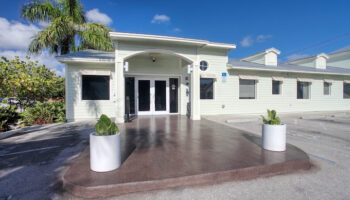
Sunrise Detox Ft. Lauderdale

2331 NE 53rd Street Fort Lauderdale, FL 33308
Detox Service Setting
Inpatient DetoxOutpatient DetoxMAT
Levels Of Care
InpatientOutpatient
Sunrise Detox Ft. Lauderdale

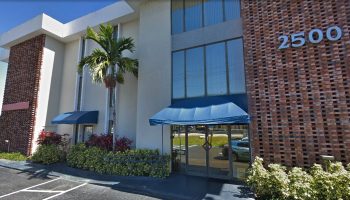
The Healing Center in Fort Lauderdale

2500 North Federal Highway Fort Lauderdale, FL 33305
Detox Service Setting
Inpatient DetoxOutpatient DetoxMAT
Levels Of Care
InpatientPHPOutpatient+4
The Healing Center in Fort Lauderdale

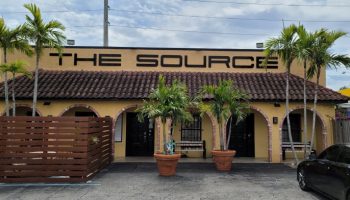
The Source Treatment Center

1730 E Commercial Blvd Fort Lauderdale, FL 33334
Detox Service Setting
Inpatient DetoxOutpatient Detox
Levels Of Care
InpatientOutpatient
The Source Treatment Center

Broward Health Medical Center

1600 S Andrews Ave Fort Lauderdale, FL 33316
Detox Service Setting
Inpatient DetoxOutpatient Detox
Levels Of Care
InpatientOutpatient

Destination Hope

6460 NW 5th Way Fort Lauderdale, FL 33309
Detox Service Setting
Inpatient DetoxOutpatient Detox
Levels Of Care
InpatientOutpatient

Faith Farm Christian Residential Treatment Center

1980 NW 9th Avenue Fort Lauderdale, FL 33311
Detox Service Setting
Inpatient DetoxMAT
Levels Of Care
InpatientAftercare

Fort Lauderdale Hospital

1601 East Las Olas Boulevard Fort Lauderdale, FL 33301
Detox Service Setting
Levels Of Care

New Season Treatment Center – Sunrise

2175-7 North University Drive Fort Lauderdale, FL 33322
Detox Service Setting
Outpatient DetoxMAT
Levels Of Care
OutpatientAftercare

United Recovery Project – Luxury Rehab in Florida

5900 Johnson Street Hollywood, FL 33021
Detox Service Setting
Hospital DetoxInpatient DetoxOutpatient Detox+1
Levels Of Care
InpatientOutpatientDual Diagnosis+4

Drug & Alcohol Detox in Fort Lauderdale, FL

Fort Lauderdale, in Broward County, is one of Florida’s most active treatment markets and a region long recognized for a high concentration of detox and substance use disorder (SUD) programs. While this area offers more treatment options than other communities, South Florida detox costs run 20 to 30 percent higher than the state average, according to multiple provider surveys.

To improve access for the most vulnerable, Fort Lauderdale is one of the few Florida cities with a county-operated public safety-net detox program. For example, Broward Addiction Recovery Center (BARC), run by the Broward County Human Services Department, provides 24/7 medically supervised detox for adults 18 and older regardless of insurance status, with sliding-scale fees available for those who qualify.

Broward County sits at the center of Florida’s fentanyl crisis and has historically ranked among the state’s hardest-hit districts for opioid overdose deaths. In response, Broward County established a Community Response Team in 2023. The team works to address the crisis through community collaboration, leadership and action plans. Additionally, the county expended $3.9 million in opioid settlement funding to expand local service capacity through 2025.

All detox facilities in Florida operate under dual state oversight: the Florida Department of Children and Families (DCF) licenses every facility providing SUD services, including detoxification, under Chapter 397 of the Florida Statutes and Chapter 65D-30 of the Florida Administrative Code.

The Florida Agency for Health Care Administration (AHCA) additionally licenses facilities that provide medical residential services alongside addiction treatment.

If you are searching for a detox program in Fort Lauderdale, verifying DCF licensure is the first quality check to run.
Find The Perfect Detox Center For You

Filter treatment centers in Fort Lauderdale by level of care offered to find the best detox program for you or a loved one.

Paying for Detox in Fort Lauderdale

Understanding the cost of drug and alcohol detox in Fort Lauderdale is an important step before choosing a program. Costs vary widely by level of care in this area; however, for those in need, financial options exist for most situations.

How Much Does Detox Cost in Fort Lauderdale?

The cost of detox in Fort Lauderdale depends on the level of medical supervision required, the substances being managed, the duration of stay, and whether the facility is private or publicly funded. Because Fort Lauderdale sits in South Florida, costs trend 20 to 30 percent higher than statewide averages.

It’s a good idea to explore typical detox cost ranges before contacting programs so you can compare quotes accurately.

$600 to $1,000 per day
Medical Detox
$200 to $400 per day
Inpatient Rehab
$3,000 to $10,000 per month
Outpatient Rehab
$7,000 to $20,000 per month
Methadone Treatment

Does Private Insurance Cover Detox in Fort Lauderdale?

Under the Affordable Care Act, private insurers are required to cover substance use disorder treatment as an essential health benefit, and Florida’s Office of Insurance Regulation enforces mental health parity standards statewide.

Keep in mind that the extent of coverage varies by plan, deductible and whether a facility is in-network. You should contact your insurer before admission to confirm medical necessity criteria and whether prior authorization is required.

The most common commercial insurance carriers accepted at Fort Lauderdale-area detox programs include:

Blue Cross Blue Shield
United Health Care
Aetna
Cigna
Humana
Magellan Health

Medicare and Medicaid in Fort Lauderdale

Medicare

Medicare covers inpatient and outpatient detox services, including Opioid Treatment Program (OTP) services such as methadone, buprenorphine and naltrexone under Part B.

Beneficiaries are typically subject to a 20 percent coinsurance after meeting the Part B deductible. Be sure to contact the facility you are interested in to confirm Medicare participation status before admission.

Medicaid

Florida’s Medicaid program, which is administered through the Florida State Medicaid Managed Care (MMA) program, covers all levels of SUD treatment including medical detox, residential care, IOP, PHP and medication-assisted treatment.

Coverage is delivered through managed care organizations including Sunshine Health, Molina Healthcare, Simply Healthcare and Aetna Better Health.

Of note, Florida has not expanded Medicaid under the ACA, so low-income adults without dependent children generally do not qualify.

Other Ways to Pay for Detox Treatment

If cost is a barrier that is keeping you from getting the care you need, there are several alternative payment options in Fort Lauderdale.

Sliding Scale Payment: 

Broward Addiction Recovery Center (BARC), the county-operated facility at 1000 SW 2nd Court in Fort Lauderdale, provides detox, residential and outpatient services on a sliding fee scale based on household income. Residents of Broward County can walk in for an assessment.

County and State Funding: 

Broward County allocated $3.9 million in opioid settlement funds to expand local provider capacity in FY 2024-2025. DCF-contracted providers throughout Broward also receive SAMH (Substance Abuse and Mental Health) grant funding, which can offset costs for uninsured individuals.

Coordinated Opioid Recovery (CORE) Network: 

Florida DCF’s CORE Network is active in Broward County as part of a statewide initiative to link individuals with opioid use disorder to a coordinated continuum of care, including treatment, recovery support and housing assistance, at reduced or no cost.

Veterans Programs: 

Multiple Fort Lauderdale-area facilities, including BARC and Fort Lauderdale Behavioral Health Center, accept TRICARE for active-duty and veteran populations. The VA Sunshine Healthcare Network serves South Florida veterans and can provide referrals to VA-contracted SUD treatment providers.

Fort Lauderdale, Florida Regulations and Accreditation for Detox

Several key regulatory and accreditation bodies oversee detox and substance use disorder treatment services in Fort Lauderdale and Broward County, including:

Florida Department of Children and Families (DCF), Office of Substance Abuse and Mental Health (SAMH)

The primary state licensing authority for all SUD treatment providers in Florida, including detox facilities. DCF licenses programs under Chapter 397, Florida Statutes, and Chapter 65D-30, Florida Administrative Code.

Licensing staff operate at the local level through regional offices. Any facility providing detoxification services in Fort Lauderdale must hold a current DCF license.

Florida Agency for Health Care Administration (AHCA)

AHCA licenses facilities that provide medical residential services alongside SUD treatment, including hospital-based detox programs.

For programs offering higher levels of medical care, both DCF and AHCA licensure may apply. AHCA also administers Florida’s Medicaid program and conducts audits of SUD billing compliance.

The Joint Commission

A nationally recognized independent accreditation body. Voluntary Joint Commission accreditation is common among Fort Lauderdale-area detox providers and may be required by some insurers.

BARC Central holds Joint Commission accreditation, as do several private programs in the area. Accreditation signals compliance with evidence-based quality and safety standards.

Broward County Human Services Department

The county agency that funds and operates Broward Addiction Recovery Center (BARC) and coordinates behavioral health services across Broward County.

The department also serves as the local interface for DCF oversight activities, including referrals, crisis response and court-ordered treatment under Florida’s Marchman Act (Chapter 397, F.S.), which allows involuntary assessment and stabilization of individuals at risk of harm due to substance use.

Website: broward.org

Key MAT Medications and Regulatory Status in Fort Lauderdale

Fort Lauderdale’s Medication-assisted treatment programs are regulated at both the federal and state levels. Federal rules under SAMHSA’s 42 CFR Part 8 and DEA controlled-substance scheduling govern which medications require certified Opioid Treatment Programs.

At the state level, DCF licenses MAT providers and requires behavioral health counseling as a component of care. Following the DEA’s 2023 elimination of the separate X-waiver requirement, any DEA-registered practitioner may now prescribe buprenorphine for opioid use disorder.

Buprenorphine: 

Widely available in Fort Lauderdale through office-based providers, community health centers and telehealth services.

As a result of the removal of the X-waiver in 2023, access to this life-saving medication significantly increased in Broward County. Buprenorphine is covered by Florida Medicaid with prior authorization.

Methadone: 

Access is restricted to certified Opioid Treatment Programs (OTPs) and cannot be dispensed from standard pharmacies.

Daily clinic visits are required initially. Florida Medicaid covers methadone treatment at licensed OTPs with prior authorization, making it accessible to eligible individuals despite logistical barriers.

Naltrexone: 

Not a controlled substance and requires no special DEA certification to prescribe.

The injectable extended-release form, Vivitrol, is widely used for both opioid and alcohol use disorder across Fort Lauderdale-area programs.

Florida Medicaid IT is covered by Florida Medicaid and is available through BARC’s outpatient services.

Overdose Prevention and Harm Reduction in Fort Lauderdale

Fort Lauderdale has a growing network of harm reduction services designed to reduce overdose deaths, lower HIV and hepatitis C transmission, and connect people who use drugs to care.

Fentanyl remains the leading drug involved in overdose deaths across Broward County, and its presence in thefentanyl supply chain makes access to naloxone and drug checking services critical to preventing fatalities.

Several programs in the area operate mobile outreach, distribute naloxone at no cost and provide a direct pathway into treatment for people who are not yet ready for formal detox.

The SPOT (Special Purpose Outreach Team)

Safe syringe exchange program (only Broward County-approved SSP under IDEA) Free naloxone (Narcan) distribution Mobile medical clinic Wound care HIV/HCV testing Linkage to SUD treatment and recovery services

The SPOT is a mobile medical clinic operated by Care Resource, a federally qualified health center. It is the only syringe services program formally approved by the Broward County Commission under Florida’s Infectious Disease Elimination Act (IDEA).

The SPOT reaches underserved communities across Broward County and each year deploys street teams to Fort Lauderdale Beach during spring break to distribute naloxone and fentanyl education materials.

South Florida Opioid Alliance (SFOA)

Naloxone distribution throughout Broward County Harm reduction education and community outreach Workforce programs and employer partnerships Advocacy for policy change Access to treatment

Formerly known as Project Opioid South Florida, the Alliance rebranded in November 2023 as a tri-county collaboration among the Greater Fort Lauderdale Alliance, the Miami-Dade Beacon Council and the Business Development Board of Palm Beach County.

As of 2023, the Alliance had distributed over 4,000 naloxone sprays in Broward County and continues to fund education initiatives in the Fort Lauderdale area.

Broward County Naloxone Vending Machines

Free naloxone (Narcan) nasal spray Anonymous, 24/7 access at select public locations Public access installed near Broward County jail facilities

Funded by an approximately $80,000 U.S. Department of Health and Human Services grant, Broward County installed free naloxone vending machines near its jails in 2025. The machines provide anonymous, no-barrier access to overdose reversal medication.

Additional free naloxone distribution sites in Fort Lauderdale include the Broward Addiction Recovery Center, the Fort Lauderdale Health Center Pharmacy and several county-run health clinics.

Holy Cross Health Opioid Peer Specialist Program

ED-based peer recovery support Connection to community treatment resources Social services and harm reduction organizations Post-discharge handoff and follow-up coordination Naloxone education

Funded through a grant from the Broward County Department of Health, Holy Cross Health has integrated peer specialists into its Fort Lauderdale emergency department.

Peers engage individuals who present with substance use disorders, offering compassionate outreach and direct linkage to BARC, harm reduction programs and other community care resources before patients are discharged.

Detox Statistics in Fort Lauderdale, Florida

Broward County saw significant declines in fatal overdoses in 2024, reflecting a broader statewide improvement driven by expanded naloxone access and harm reduction programs.

Unfortunately, fentanyl remains the primary driver of overdose mortality in the region, and non-fatal overdose emergency department visits remain high relative to neighboring counties.

422 Drug Overdose Deaths in Broward County in 2024

Broward County recorded 422 drug overdose deaths in 2024, according to the Florida Department of Health’s Substance Use Dashboard, reflecting an improving trend from prior years.

26% Decline in Florida Opioid Deaths in 2024

Across Florida, opioid-related deaths dropped 26 percent in 2024 compared to 2023, with fentanyl-caused deaths declining by 35 percent, the sharpest improvement since the crisis peaked in 2021.

4,526 Non-Fatal Overdose ED Visits in Broward County in 2024

Broward County emergency departments responded to 4,526 non-fatal overdose visits in 2024, underscoring the continuing burden on the county’s healthcare system.

FAQs About Detox in Fort Lauderdale, FL

Is there free or low-cost detox available in Fort Lauderdale for people without insurance?

Yes. Broward Addiction Recovery Center (BARC), located at 1000 SW 2nd Court in Fort Lauderdale, provides 24/7 medically supervised inpatient detox on a sliding fee scale for Broward County residents.

Admissions are walk-in based during weekday hours. Be sure to bring a valid ID and proof of county residency. BARC also accepts Medicaid.

Does Florida Medicaid cover detox in Fort Lauderdale?

Yes. Florida Medicaid, administered through the MMA program, covers medical detox, residential treatment, IOP, PHP and MAT (including methadone, buprenorphine and naltrexone). Coverage is managed through MCOs such as Sunshine Health, Molina Healthcare, Simply Healthcare and Aetna Better Health.

Keep in mind that Florida has not expanded Medicaid, so eligibility is restricted to qualifying categories including pregnant women, children and adults caring for dependent children.

What is the Marchman Act and how does it apply in Fort Lauderdale?

Florida’s Marchman Act (Chapter 397, F.S.) allows a family member, three unrelated adults or a law enforcement officer to petition Broward County court for involuntary assessment and stabilization of a person believed to be at risk due to substance use. The Broward County Courthouse processes Marchman Act filings.

If the petition is granted, the individual can be held for up to 72 hours for assessment and referred to treatment.

Does Fort Lauderdale have treatment programs for people with co-occurring mental health conditions?

Yes. Most major detox and residential programs in the Fort Lauderdale area provide dual diagnosis assessment and treatment. For example, BARC provides integrated psychiatric evaluation as part of its intake process. While Henderson Behavioral Health and several private facilities also offer co-occurring disorder services.

When searching for programs, ask specifically whether a psychiatrist is on staff and whether mental health treatment is integrated into the detox and residential phases of care.

Is naloxone (Narcan) available for free in Fort Lauderdale?

Yes. Free naloxone is available through multiple channels including The SPOT mobile clinic, Broward County naloxone vending machines near jail facilities, the Fort Lauderdale Health Center Pharmacy and the Edgar Mills Health Center.

Naloxone is also available over the counter at CVS, Walgreens and most Publix pharmacies across Broward County.

Can I access detox programs in Fort Lauderdale if I live outside Broward County?

Private pay and insurance-funded programs are open to patients from any location. BARC, however, reserves its sliding-scale and county-funded services for Broward County residents and requires proof of residency at intake.

If you live outside Broward, contact DCF’s treatment locator at 1-800-662-HELP or visit findtreatment.gov to identify publicly funded programs in your home county.

Two people talking
Get Help Today!
If you or a loved one is in need of help, call today. Pick up the phone and get the help you need.
800-483-2193
Confidential. Available 24 Hours

Browse Detox Centers

Get Help Today Phone icon 800-779-4314