

 800-262-4205
SalusCare

About SalusCare
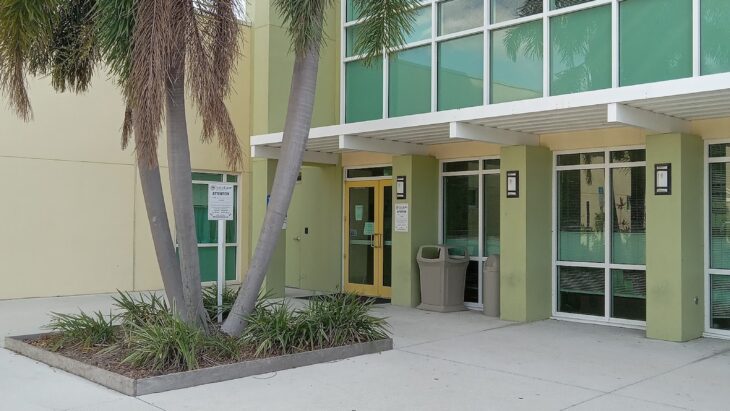
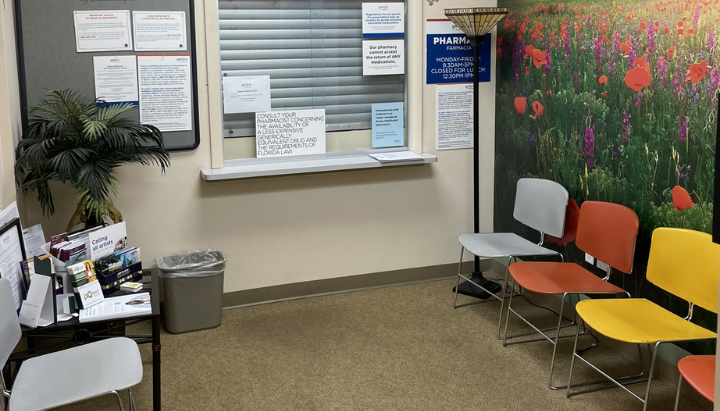
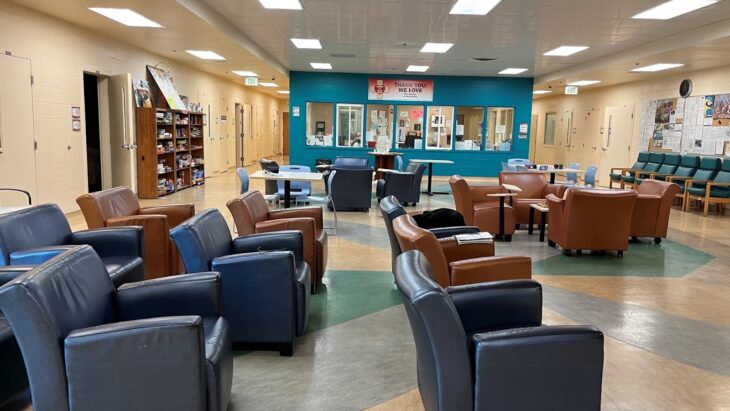
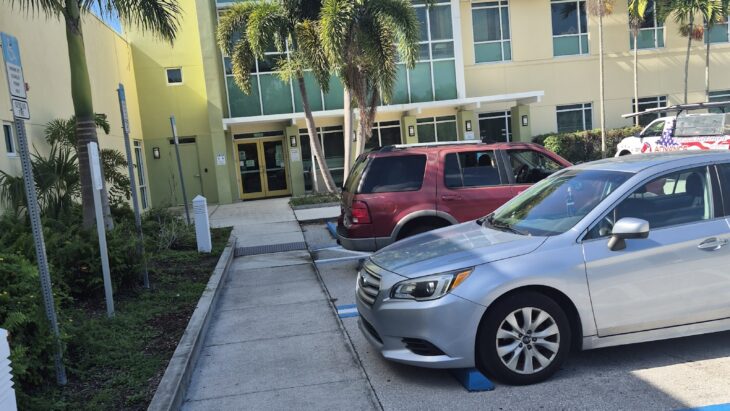
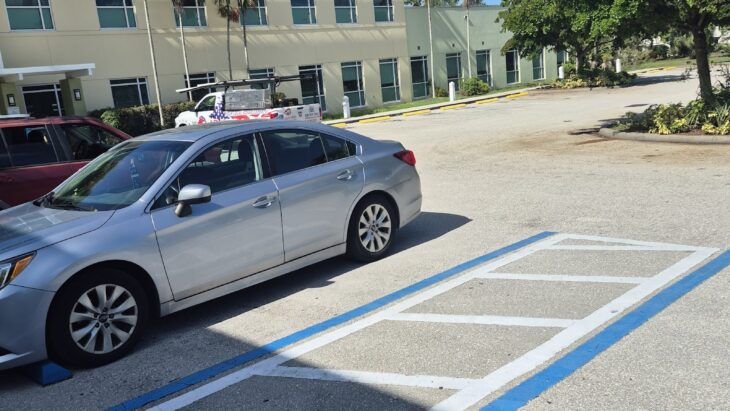
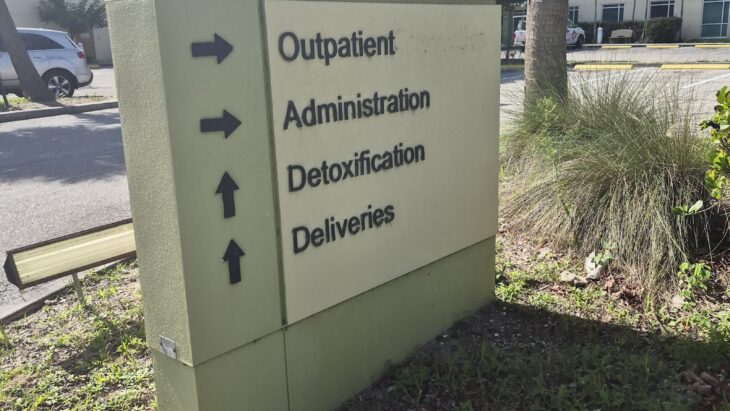
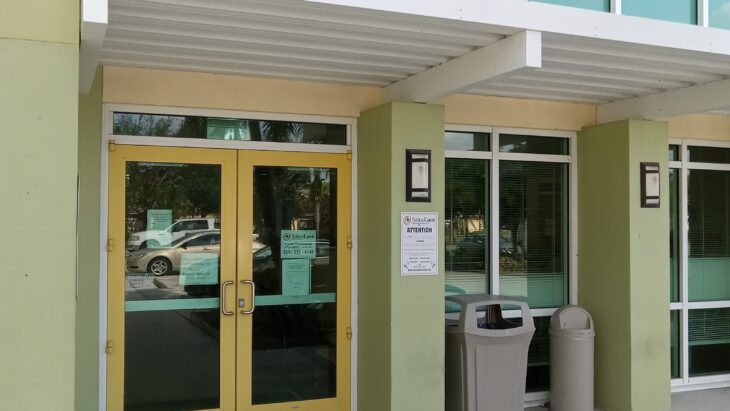
SalusCare Evans Campus is an outpatient addiction treatment center in Fort Myers, Florida, offering integrated substance use and mental health care for adults.
Located at 3763 Evans Avenue, the nonprofit provides medically supervised detoxification, medication assisted treatment (MAT), psychiatry, therapy and case management.
As a CARF accredited provider, SalusCare focuses on evidence based, whole person care for those facing addiction and cooccurring disorders.
Medically Supervised Detox
Care often begins with medically supervised detoxification for alcohol, opioids and benzodiazepines, typically lasting three to eight days with physician oversight, medication support and assessment.
From there, clients may transition into outpatient treatment or receive referrals to residential, transitional housing or recovery residence options at other Fort Myers campuses.
Adult outpatient services include individual and group therapy, family and marriage counseling, psychiatry and medication assisted treatment for alcohol and opioid use disorders.
In person and CareAnywhere Telehealth appointments make ongoing psychiatry and therapy accessible throughout Southwest Florida.
Quick Facts About SalusCare Evans Campus
- Location: 3763 Evans Avenue, Fort Myers, Florida, serving Southwest Florida
- Levels of care: Medically supervised detox, outpatient substance use treatment and MAT
- Who they treat: Adults 18 and older with substance use, mental health or cooccurring disorders
- Special populations: Maternal Assistance Program offering free treatment for eligible pregnant and postpartum women through 12 months after childbirth
- Approach: Integrated, CARF accredited care with psychiatry, therapy and case management
- Payment options: Medicaid, Medicare, private and military insurance, self pay and a sliding fee scale
Getting Started at SalusCare
Beginning treatment at SalusCare in Fort Myers starts with an assessment and treatment planning to determine the right level of care.
The admissions team can explain available programs, verify insurance benefits and review payment assistance, including the sliding fee scale for uninsured patients.
| Levels of Care | Detox Service Setting | Programs | Payment Options | Medications Offered | ||
|---|---|---|---|---|---|---|
|
Inpatient and residential programs provide round-the-clock medical and emotional support as you live at the treatment facility. This level of care may be recommended if you have severe addictions or mental health conditions since it removes outside distractions and allows you to focus solely on therapy. |
In outpatient therapy, you’ll attend therapy sessions several times each week while living at home. This is ideal if you have a strong support system and a lower risk of relapse. Outpatient treatment offers flexibility to maintain work, school or family obligations. |
Sober living homes provide a supportive and substance free environment for you to live in as you overcome your addiction. Residents must follow house rules and support each other’s recovery journeys. Sober living fosters accountability and stability during this critical phase of recovery. |
Intensive Outpatient
|
Aftercare programs provide ongoing support after you complete a rehab program. They may include several components to help you maintain sobriety including therapy, community support groups and relapse prevention strategies. This gives you a network of resources as you reintegrate into your daily life. |
||
|
Hospital detoxification allows you to withdraw from drugs or alcohol in a hospital setting. It’s ideal for people with severe withdrawal symptoms or complex medical needs. You’ll receive constant monitoring, emergency care if needed and FDA approved prescription medications. |
Inpatient detox occurs in a dedicated treatment facility. You’ll live there around the clock and receive intensive medical support and supervision to help manage your withdrawal symptoms. It is suitable for individuals with moderate to severe addictions as it ensures a stable detox environment. |
Outpatient detox gives you access to medically supervised withdrawal services while still allowing you to live at home. You’ll attend a clinic for treatment and monitoring. This flexible option is suitable for those with mild to moderate withdrawal symptoms who have strong support systems. |
Medication assisted treatment combines medication and counseling to manage withdrawal and reduce cravings for opioid and alcohol addiction. Medications may include methadone, buprenorphine or naltrexone. MAT is tailored to your needs so you can actively participate in your treatment journey. |
|||
|
Adult programs address the substance use and life challenges specific to adults. Therapists can deliver sessions in individual, group and family settings. Services often include job support and life skills training in a structured environment.
|
Young adult programs are designed for individuals who are transitioning into adulthood. Topics of discussion typically include identity, independence and peer relationships. Providers may also offer life skills training and career support.
|
Senior programs address the unique needs of older adults like chronic pain, grief and isolation. Programs include peer support and medical oversight for age related health concerns. The goal is to improve quality of life and promote sober aging.
|
Men's programs address substance use while also considering the social pressures, family roles and mental health concerns that are specific to men. You’ll learn healthy coping mechanisms as you build emotional resilience and develop communication skills.
|
Women's programs offer a safe and supportive space to focus on gender specific issues such as trauma, family roles and mental health conditions. Therapists tailor the sessions to address women's needs and foster empowerment in a healing and nurturing environment.
|
||
|
Self Pay
|
Medicaid
|
State Family Services
|
Private Insurance
|
Military Insurance
|
Sliding Scale Payment
|
Medicare
|
|
Buprenorphine
|
Levels of Care
Inpatient and residential programs provide round-the-clock medical and emotional support as you live at the treatment facility. This level of care may be recommended if you have severe addictions or mental health conditions since it removes outside distractions and allows you to focus solely on therapy.
In outpatient therapy, you’ll attend therapy sessions several times each week while living at home. This is ideal if you have a strong support system and a lower risk of relapse. Outpatient treatment offers flexibility to maintain work, school or family obligations.
Sober living homes provide a supportive and substance free environment for you to live in as you overcome your addiction. Residents must follow house rules and support each other’s recovery journeys. Sober living fosters accountability and stability during this critical phase of recovery.
Aftercare programs provide ongoing support after you complete a rehab program. They may include several components to help you maintain sobriety including therapy, community support groups and relapse prevention strategies. This gives you a network of resources as you reintegrate into your daily life.
Detox Service Setting
Hospital detoxification allows you to withdraw from drugs or alcohol in a hospital setting. It’s ideal for people with severe withdrawal symptoms or complex medical needs. You’ll receive constant monitoring, emergency care if needed and FDA approved prescription medications.
Inpatient detox occurs in a dedicated treatment facility. You’ll live there around the clock and receive intensive medical support and supervision to help manage your withdrawal symptoms. It is suitable for individuals with moderate to severe addictions as it ensures a stable detox environment.
Outpatient detox gives you access to medically supervised withdrawal services while still allowing you to live at home. You’ll attend a clinic for treatment and monitoring. This flexible option is suitable for those with mild to moderate withdrawal symptoms who have strong support systems.
Medication assisted treatment combines medication and counseling to manage withdrawal and reduce cravings for opioid and alcohol addiction. Medications may include methadone, buprenorphine or naltrexone. MAT is tailored to your needs so you can actively participate in your treatment journey.
Programs
Medications Offered
Amenities
Accreditations

Accepted Insurance
Contact


- Monday 8AM - 6PM
- Tuesday 8AM - 6PM
- Wednesday 8AM - 6PM
- Thursday 8AM - 6PM
- Friday 8AM - 6PM

Amy Greene is an award-winning novelist and essayist. Her acclaimed debut novel, Bloodroot, was a New York Times national best seller. Her second novel, Long Man, was named a Best Book of the Year by The Washington Post in 2014. Her essays have appeared in publications such as The New York Times and Glamor Magazine. She currently resides in her native East Tennessee, amid the mountains she loves. In both her fiction and her nonfiction writing, Amy is dedicated exploring complex issues of mental health and spiritual and emotional wellbeing.
Detox.com regularly reviews this listing for accuracy but changes may occur between updates. For the most up-to-date information, please contact SalusCare.
Nearby Detox Centers


Search by Florida Cities
FAQs
What detox and substance use treatment services does SalusCare offer in Fort Myers?
SalusCare’s Evans Campus in Fort Myers provides a full continuum of outpatient substance use treatment including assessment, detoxification, outpatient services, intensive outpatient programming, medication-assisted treatment (MAT), and aftercare. The facility also offers integrated psychiatric services and case management to address co-occurring mental health and substance use disorders.
Does SalusCare provide medication-assisted treatment for opioids or alcohol?
Yes, SalusCare offers medication-assisted treatment (MAT) that combines FDA-approved medications with counseling and behavioral therapies. The medical team at the Evans Campus provides psychiatric evaluation, medication management, and ongoing psychiatric care as part of integrated treatment for substance use disorders.
What levels of care are available at SalusCare's Evans Campus in Fort Myers?
SalusCare provides outpatient services for flexible at-home recovery, an intensive outpatient program (IOP) that offers structured treatment while allowing individuals to maintain daily responsibilities, and aftercare services to support long-term recovery and relapse prevention.
Does SalusCare accept Medicaid, Medicare, and sliding scale payment options?
Yes, SalusCare’s Evans Campus accepts Medicaid, Medicare, and most major insurance plans. For uninsured individuals, the facility offers sliding fee scale payment based on income and family size, making treatment accessible regardless of insurance status.
Can SalusCare treat co-occurring mental health and substance use disorders together?
Yes, SalusCare is a comprehensive behavioral healthcare provider offering integrated care for individuals with co-occurring conditions. The Evans Campus medical team provides psychiatric services, medication management, individual and group counseling, and peer support alongside substance use treatment.
What should someone expect during assessment and intake at SalusCare Fort Myers?
SalusCare begins with a comprehensive assessment to evaluate substance use, mental health, and overall needs. The facility then develops a tailored treatment plan using individual counseling, group counseling, and referral services. Case management support helps individuals access community resources throughout their recovery journey.