

 800-262-4205
Sunrise Detox Palm Beach
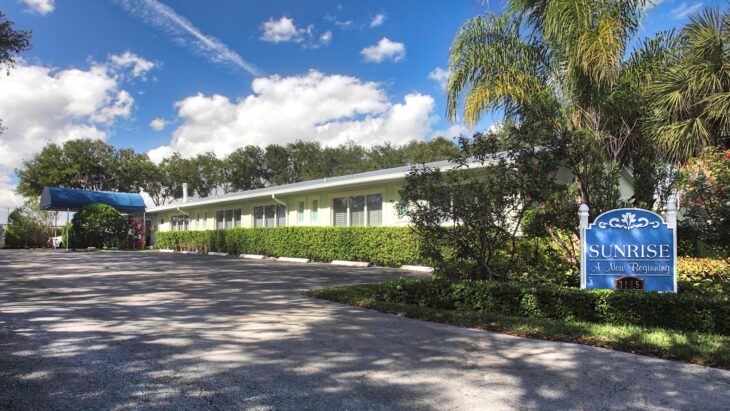




About Sunrise Detox Palm Beach
Sunrise Detoxification Center is part of the Praesum family of treatment centers. They have facilities in Georgia, New York, New Jersey, Massachusetts, and Florida, including the location on Boutwell Road in Lake Worth, Florida, near Palm Beach. The center offers inpatient drug and alcohol detox for adults 18 and up and is a Joint Commission accredited detox center.
The facility is an in network provider for many major insurance plans. They’ll also work with out of network providers to keep your costs down.
Going through detox can be a difficult process, but it’s an important part of your recovery journey. Detox severs your body’s dependence on substances. This facility’s program can help you detox from alcohol and most drugs, including prescription drugs, narcotics, heroin, cocaine, and fentanyl. If you’re having uncomfortable withdrawal effects, they can give you medication to ease the symptoms.
You’ll start with an assessment where your team will develop a personalized detox plan. The treatment team bases your plan on the duration, type, and severity of your substance use. The average stay is about 5-7 days, but sometimes it takes longer to taper off some substances. If you’re on opioids, you may be given medication assisted treatment (MAT) such as Suboxone.
You’ll detox with around the clock medical support in a fully furnished bedroom with a private bath. You can have a private room on request but most people have a roommate. There are chef prepared nourishing meals to replenish your body with nutrients depleted from substance use. There’s an outdoor recreational space and indoor game and TV rooms. Their floorplan allows for wide open spaces so that you can establish a repertoire with your peers and share experiences.
While you’re in the detox program, you’ll start individual and group therapy. In individual therapy, you can discuss your triggers and identify co-occurring mental health disorders like bipolar disorder or depression.
Group therapy helps you work on communication and interpersonal skills while giving and receiving support. They also have peer recovery groups where you’ll meet with people who’ve been where you are and can offer support and advice. When you’re through the program, you can decide your next steps such as an inpatient or outpatient treatment program. You’ll leave the program ready to begin the rest of your sober journey.
| Levels of Care | Detox Service Setting | Programs | Payment Options | ||||
|---|---|---|---|---|---|---|---|
|
Inpatient and residential programs provide round-the-clock medical and emotional support as you live at the treatment facility. This level of care may be recommended if you have severe addictions or mental health conditions since it removes outside distractions and allows you to focus solely on therapy. |
In outpatient therapy, you’ll attend therapy sessions several times each week while living at home. This is ideal if you have a strong support system and a lower risk of relapse. Outpatient treatment offers flexibility to maintain work, school or family obligations. |
Aftercare programs provide ongoing support after you complete a rehab program. They may include several components to help you maintain sobriety including therapy, community support groups and relapse prevention strategies. This gives you a network of resources as you reintegrate into your daily life. |
Dual diagnosis programs address substance use disorders and co-occurring mental health conditions simultaneously. This integrated approach to care improves the likelihood of long term recovery and stability by addressing the root causes of addiction. |
||||
|
Inpatient detox occurs in a dedicated treatment facility. You’ll live there around the clock and receive intensive medical support and supervision to help manage your withdrawal symptoms. It is suitable for individuals with moderate to severe addictions as it ensures a stable detox environment. |
Outpatient detox gives you access to medically supervised withdrawal services while still allowing you to live at home. You’ll attend a clinic for treatment and monitoring. This flexible option is suitable for those with mild to moderate withdrawal symptoms who have strong support systems. |
Medication assisted treatment combines medication and counseling to manage withdrawal and reduce cravings for opioid and alcohol addiction. Medications may include methadone, buprenorphine or naltrexone. MAT is tailored to your needs so you can actively participate in your treatment journey. |
|||||
|
Adult programs address the substance use and life challenges specific to adults. Therapists can deliver sessions in individual, group and family settings. Services often include job support and life skills training in a structured environment.
|
Alcohol detox programs offer medical support to help individuals withdraw safely from alcohol. Your care team may use medications to ease your symptoms and provide medical monitoring to address complications.
|
Drug detox programs support individuals who are withdrawing from addictive substances like cocaine and heroin. Medical support helps you manage symptoms in a controlled and safe environment so you can achieve initial sobriety.
|
Men's programs address substance use while also considering the social pressures, family roles and mental health concerns that are specific to men. You’ll learn healthy coping mechanisms as you build emotional resilience and develop communication skills.
|
Opioid detox uses medications to ease severe withdrawal symptoms. It also includes medical supervision to help you manage potential complications. These services allow you to stabilize and begin a recovery plan.
|
Women's programs offer a safe and supportive space to focus on gender specific issues such as trauma, family roles and mental health conditions. Therapists tailor the sessions to address women's needs and foster empowerment in a healing and nurturing environment.
|
Young adult programs are designed for individuals who are transitioning into adulthood. Topics of discussion typically include identity, independence and peer relationships. Providers may also offer life skills training and career support.
|
Military and veteran programs offer specialized support for clients who served in the armed services. Programs focus on reintegration and healing within a structured and supportive environment that acknowledges the unique struggles of military life. |
|
Private Insurance
|
Self Pay
|
Levels of Care
Inpatient and residential programs provide round-the-clock medical and emotional support as you live at the treatment facility. This level of care may be recommended if you have severe addictions or mental health conditions since it removes outside distractions and allows you to focus solely on therapy.
In outpatient therapy, you’ll attend therapy sessions several times each week while living at home. This is ideal if you have a strong support system and a lower risk of relapse. Outpatient treatment offers flexibility to maintain work, school or family obligations.
Aftercare programs provide ongoing support after you complete a rehab program. They may include several components to help you maintain sobriety including therapy, community support groups and relapse prevention strategies. This gives you a network of resources as you reintegrate into your daily life.
Dual diagnosis programs address substance use disorders and co-occurring mental health conditions simultaneously. This integrated approach to care improves the likelihood of long term recovery and stability by addressing the root causes of addiction.
Detox Service Setting
Inpatient detox occurs in a dedicated treatment facility. You’ll live there around the clock and receive intensive medical support and supervision to help manage your withdrawal symptoms. It is suitable for individuals with moderate to severe addictions as it ensures a stable detox environment.
Outpatient detox gives you access to medically supervised withdrawal services while still allowing you to live at home. You’ll attend a clinic for treatment and monitoring. This flexible option is suitable for those with mild to moderate withdrawal symptoms who have strong support systems.
Medication assisted treatment combines medication and counseling to manage withdrawal and reduce cravings for opioid and alcohol addiction. Medications may include methadone, buprenorphine or naltrexone. MAT is tailored to your needs so you can actively participate in your treatment journey.
Programs
Military and veteran programs offer specialized support for clients who served in the armed services. Programs focus on reintegration and healing within a structured and supportive environment that acknowledges the unique struggles of military life.
Amenities
Accreditations


Accepted Insurance
Contact



Susan is a freelance writer and photographer who loves writing from home with her dog, Jack Bauer, at her feet. Having transcribed patient charts in a mental health and addiction treatment hospital, she’s well informed on the subject of substance use and co-occurring disorder treatment. She’s experienced in content creation and writes her own photography blog and newsletter.

Peter W.Y. Lee is a historian with a focus in American Cold War culture. He has examined how popular culture has served as a coping mechanism for the challenges and changes impacting American society throughout the twentieth century.
Detox.com regularly reviews this listing for accuracy but changes may occur between updates. For the most up-to-date information, please contact Sunrise Detox Palm Beach.
Nearby Detox Centers


Search by Florida Cities
FAQs
What substances does Sunrise Detox Palm Beach provide medical detoxification for?
Sunrise Detox Palm Beach offers medically supervised detox for alcohol, opioids, benzodiazepines, and stimulants. The medical team creates individualized detox plans based on each client’s substance use history and health needs. During detox, medication may be used to manage withdrawal symptoms when clinically appropriate.
Is 24/7 medical monitoring available during detox at this facility?
Yes, Sunrise Detox Palm Beach provides 24/7 clinical monitoring throughout the detoxification process. Medical professionals are available around the clock to monitor withdrawal symptoms, administer medications to ease discomfort, and keep clients safe and stable during the withdrawal period.
How does Sunrise Detox Palm Beach help clients with co-occurring mental health and addiction issues?
Sunrise Detox Palm Beach treats individuals with substance use disorders and co-occurring mental health conditions through its dual diagnosis program. The medical team is experienced in addressing both addiction and mental health concerns alongside detoxification. Individual and group counseling sessions begin during detox to address the psychological aspects of addiction.
What insurance does Sunrise Detox Palm Beach accept for detox services?
Sunrise Detox Palm Beach accepts most major insurance plans, including Medicaid and Medicare. The admissions team can verify insurance coverage and help determine what benefits apply to detox services. Clients should contact the facility to confirm their specific plan coverage.
Does Sunrise Detox Palm Beach have a specialized program for veterans?
Yes, Sunrise Detox Palm Beach offers a Veterans Program designed for veterans, active duty military, and first responders. The program provides a safe, supportive environment where military and veteran clients can detox alongside peers who understand military-related experiences and challenges.
What happens after detox at Sunrise Detox Palm Beach in Lake Worth?
Sunrise Detox Palm Beach includes discharge planning and aftercare coordination as part of the detox process. The facility helps clients transition to the next level of care after stabilization, with the team providing education and relapse prevention planning to prepare clients for continued treatment.