800-262-4205
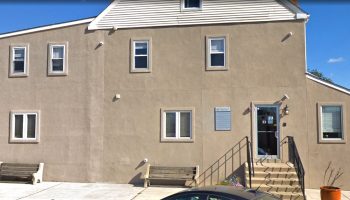
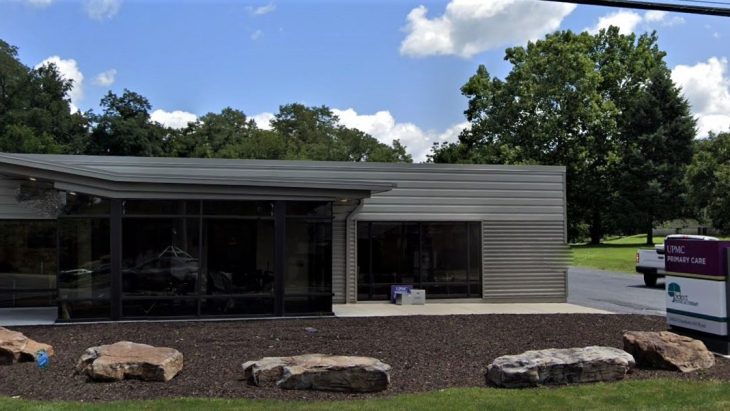
UPMC Pinnacle Chambers Hill Primary Care

About UPMC Pinnacle Chambers Hill Primary Care
UPMC Pinnacle Chambers Hill Primary Care offers general medical care for individuals and families in Harrisburg, Pennsylvania. Though they specialize in internal and family medicine for clients of all ages, if you’re struggling with a mental illness or addiction disorder, they can help with that too.
Connected Care Throughout the UPMC System
The primary care physicians at Pinnacle Chambers Hill offer comprehensive care to optimize patients’ wellness in body, mind and spirit.
They’re trained to recognize and address mental health challenges, ranging from anxiety and depression to addiction. If you’re misusing substances and are ready to get help, they can refer you for detox and addiction treatment within the UPMC system.
You can access care from the award-winning Department of Psychiatry at the UPMC. It’s consistently ranked among the leading mental health care providers in the nation.
Continuing Care and Telehealth Options
The Pinnacle Chambers Hill clinic can serve as your primary health home, integrating care between your medical and mental health support team.
They can monitor your progress, ensure your continuing access to treatment and recommend changes as needed to best support your physical and mental health goals.
They also offer telehealth options to ensure your consistency of care, even from the comfort of your own home.
| Levels of Care | Detox Service Setting | Programs | Payment Options | |||
|---|---|---|---|---|---|---|
|
Outpatient therapy involves attending therapy sessions several times each week while living at home. This is suitable if you have a strong support system and a lower risk of relapse. Outpatient treatment offers flexibility to maintain other obligations such as work or school. |
||||||
|
Outpatient detox provides access to medically supervised withdrawal services while still allowing the individual to live at home. Treatment and monitoring are provided. This flexible option is suitable for those with mild to moderate withdrawal symptoms who have strong support systems. |
||||||
|
Adult programs address the substance use and life challenges specific to adults. Therapists often deliver sessions in individual, group, and family settings. Job support and life skills training can also be provided.
|
Alcohol detox programs offer medical support to achieve safe withdraw from alcohol. Your care team may use medications to ease withdrawal symptoms. They also provide medical monitoring to address complications.
|
Drug detox programs support individuals who are withdrawing from addictive substances like cocaine and heroin. Medical support helps individuals manage symptoms in a controlled and safe environment.
|
Men's programs address substance use issues as well as social pressures, family roles, and mental health concerns that are specific to men. Participants learn healthy coping mechanisms, emotional resilience, and communication skills.
|
Opioid detox uses medications to ease severe withdrawal symptoms. It also includes medical supervision to manage potential complications. These services allow individuals to stabilize and start a recovery plan.
|
Women's programs offer a safe and supportive space to focus on gender-specific issues such as trauma, family roles, and mental health conditions. Therapy sessions address women's needs and foster empowerment in a healing and nurturing environment.
|
Young adult programs are designed for individuals who are transitioning into adulthood. Discussion topics typically include identity, independence, and peer relationships. Participants may also receive life skills training and career support.
|
|
Self Pay
|
Levels of Care
Outpatient therapy involves attending therapy sessions several times each week while living at home. This is suitable if you have a strong support system and a lower risk of relapse. Outpatient treatment offers flexibility to maintain other obligations such as work or school.
Detox Service Setting
Outpatient detox provides access to medically supervised withdrawal services while still allowing the individual to live at home. Treatment and monitoring are provided. This flexible option is suitable for those with mild to moderate withdrawal symptoms who have strong support systems.
Programs
Contact



Nikki Wisher is an Atlanta-based content writer with over a decade of experience specializing in health and wellness. While she spends most of her days writing about various aspects of health, from addiction recovery to fitness to skin care, she also writes content in many other areas like photography, beauty, and marketing. Her passion project is her inclusive running blog, forallrunners.com.

Born and raised in the foothills of the Smoky Mountains, Terri Beth has witnessed the impact of addiction on families and communities. As an educator, scholar, and writer, she is committed to increasing public awareness of substance abuse and mental health issues and decreasing the stigma that too often accompanies them. She holds a doctorate in English literature and has been writing about mental health and addiction recovery for more than a decade.
Detox.com regularly reviews this listing for accuracy but changes may occur between updates. For the most up-to-date information, please contact UPMC Pinnacle Chambers Hill Primary Care.