800-671-4304
The Gastonia’s Potter’s House
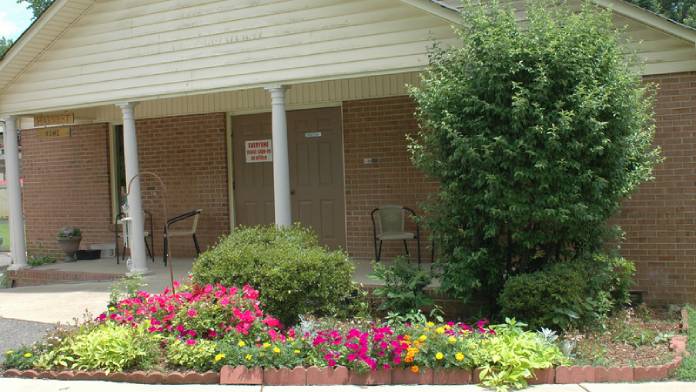
About The Gastonia’s Potter’s House
The Gastonia Potter’s House is a faith based residential treatment program exclusively serving women struggling with substance abuse, alcoholism and co-occurring life challenges in Gastonia, North Carolina. The program offers an 18 month structured recovery experience that combines individual and group counseling, substance abuse education, parenting classes and Bible study.
The Potter’s House provides long term, transformative care that addresses not just addiction but also life skills, family restoration and spiritual growth.
Long Term Residential Treatment For Women
The Potter’s House specializes in extended residential care with a mandatory 18 month commitment, offering women the sustained support needed for lasting recovery. The first phase includes individual counseling with a Certified Substance Abuse Counselor, group therapy, substance abuse education, job preparation and parenting classes.
This comprehensive approach allows time for deep healing and skill building that shorter programs may not provide. The second phase transitions residents to a separate home on the property while they re-enter the workplace or pursue higher education, creating a bridge between treatment and independent living.
Faith Based Healing And Family Restoration
This phased model addresses both the clinical and practical aspects of recovery, helping women build confidence and stability in real world settings while maintaining residential support. Past clients have shared testimonies of transformation, with one reviewer noting they have witnessed many women’s lives changed through the ministry.
The program integrates Christian faith as a core component of recovery, incorporating Bible study and spiritual application throughout treatment. Family counseling services emphasize restoring relationships and involving loved ones in the healing process, recognizing that recovery extends beyond the individual.
An entry donation and monthly fees are requested, with financial scholarships available and church sponsorship encouraged. The facility accepts private insurance, Medicaid and credit cards.
| Levels of Care | Detox Service Setting | Programs | Payment Options |
|---|---|---|---|
|
Inpatient and residential programs provide round-the-clock medical and emotional support as you live at the treatment facility. This level of care may be recommended if you have severe addictions or mental health conditions since it removes outside distractions and allows you to focus solely on therapy. |
In outpatient therapy, you’ll attend therapy sessions several times each week while living at home. This is ideal if you have a strong support system and a lower risk of relapse. Outpatient treatment offers flexibility to maintain work, school or family obligations. |
||
|
Inpatient detox occurs in a dedicated treatment facility. You’ll live there around the clock and receive intensive medical support and supervision to help manage your withdrawal symptoms. It is suitable for individuals with moderate to severe addictions as it ensures a stable detox environment. |
Outpatient detox gives you access to medically supervised withdrawal services while still allowing you to live at home. You’ll attend a clinic for treatment and monitoring. This flexible option is suitable for those with mild to moderate withdrawal symptoms who have strong support systems. |
||
|
Alcohol detox programs offer medical support to help individuals withdraw safely from alcohol. Your care team may use medications to ease your symptoms and provide medical monitoring to address complications. |
Drug detox programs support individuals who are withdrawing from addictive substances like cocaine and heroin. Medical support helps you manage symptoms in a controlled and safe environment so you can achieve initial sobriety. |
||
|
Private Insurance
|
Self Pay
|
Levels of Care
Inpatient and residential programs provide round-the-clock medical and emotional support as you live at the treatment facility. This level of care may be recommended if you have severe addictions or mental health conditions since it removes outside distractions and allows you to focus solely on therapy.
In outpatient therapy, you’ll attend therapy sessions several times each week while living at home. This is ideal if you have a strong support system and a lower risk of relapse. Outpatient treatment offers flexibility to maintain work, school or family obligations.
Detox Service Setting
Inpatient detox occurs in a dedicated treatment facility. You’ll live there around the clock and receive intensive medical support and supervision to help manage your withdrawal symptoms. It is suitable for individuals with moderate to severe addictions as it ensures a stable detox environment.
Outpatient detox gives you access to medically supervised withdrawal services while still allowing you to live at home. You’ll attend a clinic for treatment and monitoring. This flexible option is suitable for those with mild to moderate withdrawal symptoms who have strong support systems.
Programs
Alcohol detox programs offer medical support to help individuals withdraw safely from alcohol. Your care team may use medications to ease your symptoms and provide medical monitoring to address complications.
Drug detox programs support individuals who are withdrawing from addictive substances like cocaine and heroin. Medical support helps you manage symptoms in a controlled and safe environment so you can achieve initial sobriety.
Contact



Gayle Morris, BSN, MSN, received her bachelor’s from the University of Illinois Chicago Medical Center and her first master’s from the Indiana University Purdue University Indianapolis. She practiced nursing for over two decades with a focus on pediatric physical rehabilitation, which required mental health skills to help children, and their parents work through new challenges after a head injury or spinal cord injury. She has been a freelance writer in health, wellness, and mental health for over 15 years. She loves exercise, her dogs and guinea pigs, and gardening.