800-262-4205
Today Inc

About Today Inc
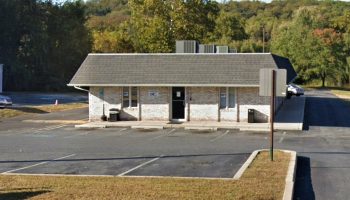
Today Inc provided comprehensive behavioral health services since 1971 in Newtown Pennsylvania. They’re permanently closed now, but they once provided the community with prevention, intervention and treatment services, placing a strong emphasis on family involvement.
Addiction as a Treatable Disease
Their program philosophy was that drug and alcohol addiction was a treatable disease and help was offered to everyone without regard to race, religion, or sexual orientation.
They offered outpatient and residential programs for adolescents and adults. They also offered a mobile engagement service for adults and provided inpatient detoxification services to manage withdrawal symptoms.
I like that the center also stressed prevention services for the community. They even offered a program in collaboration with other countywide organizations that built and strengthened the youth of Bucks County. They addressed violence, teen pregnancy, substance abuse, delinquency and school dropout rates.
Staff Development and Growth
They were committed to providing credentialed and effective staff to treat adolescents and adults. They believed in ongoing and agency-wide development and were committed to an environment that was conducive to growth and recovery for their clients and their staff.
Your program was customized after an initial intake and you were assigned a primary therapist who provided individual and group psychotherapy. Typical residential treatment lasted from 30 to 45 days depending on your needs and contact with your family and friends was strictly enforced.
| Levels of Care | Detox Service Setting | Programs | Payment Options | |
|---|---|---|---|---|
|
Inpatient and residential programs provide round-the-clock medical and emotional support as you live at the treatment facility. This level of care may be recommended if you have severe addictions or mental health conditions, because it offers a distraction-free environment where you can focus solely on recovery. |
Outpatient therapy involves attending therapy sessions several times each week while living at home. This is suitable if you have a strong support system and a lower risk of relapse. Outpatient treatment offers flexibility to maintain other obligations such as work or school. |
Partial hospitalization programs provide comprehensive treatment in a structured setting during the day but allow you to return home at night. These programs offer a level of care balanced between inpatient and outpatient rehab. They offer intensive support without full-time residency. |
Dual diagnosis programs address substance use disorders and co-occurring mental health conditions simultaneously. By addressing the root cause of addiciton, this approach improves the likelihood of long-term recovery and stability. |
|
|
Inpatient detox occurs in a dedicated treatment facility. Participants live at the facility around the clock and receive intensive medical support and supervision to help alleviate withdrawal symptoms. This setting is suitable for individuals with moderate to severe addictions, as it ensures a stable detox environment. |
Outpatient detox provides access to medically supervised withdrawal services while still allowing the individual to live at home. Treatment and monitoring are provided. This flexible option is suitable for those with mild to moderate withdrawal symptoms who have strong support systems. |
|||
|
Teen (13 - 18)
|
Adult programs address the substance use and life challenges specific to adults. Therapists often deliver sessions in individual, group, and family settings. Job support and life skills training can also be provided.
|
Young adult programs are designed for individuals who are transitioning into adulthood. Discussion topics typically include identity, independence, and peer relationships. Participants may also receive life skills training and career support.
|
Women's programs offer a safe and supportive space to focus on gender-specific issues such as trauma, family roles, and mental health conditions. Therapy sessions address women's needs and foster empowerment in a healing and nurturing environment.
|
Men's programs address substance use issues as well as social pressures, family roles, and mental health concerns that are specific to men. Participants learn healthy coping mechanisms, emotional resilience, and communication skills.
|
|
Self Pay
|
Medicaid
|
Medicare
|
Private Insurance
|
Military Insurance
|
Levels of Care
Inpatient and residential programs provide round-the-clock medical and emotional support as you live at the treatment facility. This level of care may be recommended if you have severe addictions or mental health conditions, because it offers a distraction-free environment where you can focus solely on recovery.
Outpatient therapy involves attending therapy sessions several times each week while living at home. This is suitable if you have a strong support system and a lower risk of relapse. Outpatient treatment offers flexibility to maintain other obligations such as work or school.
Partial hospitalization programs provide comprehensive treatment in a structured setting during the day but allow you to return home at night. These programs offer a level of care balanced between inpatient and outpatient rehab. They offer intensive support without full-time residency.
Dual diagnosis programs address substance use disorders and co-occurring mental health conditions simultaneously. By addressing the root cause of addiciton, this approach improves the likelihood of long-term recovery and stability.
Detox Service Setting
Inpatient detox occurs in a dedicated treatment facility. Participants live at the facility around the clock and receive intensive medical support and supervision to help alleviate withdrawal symptoms. This setting is suitable for individuals with moderate to severe addictions, as it ensures a stable detox environment.
Outpatient detox provides access to medically supervised withdrawal services while still allowing the individual to live at home. Treatment and monitoring are provided. This flexible option is suitable for those with mild to moderate withdrawal symptoms who have strong support systems.
Programs
Amenities
Contact


- Monday 9AM - 5PM
- Tuesday 9AM - 12AM
- Wednesday 9AM - 5PM
- Thursday 9AM - 5PM
- Friday 9AM - 5PM
- Saturday 9AM - 5PM
- Sunday 9AM - 5PM

Gayle Morris, BSN, MSN, received her bachelor’s degree from the University of Illinois Chicago Medical Center and her first master’s degree from Indiana University Purdue University Indianapolis. She practiced nursing for more than two decades with a focus on pediatric physical rehabilitation, helping children and their parents after a head injury or spinal cord injury. She has been a freelance writer in health, wellness, and mental health for more than 15 years. She loves exercise, her dogs and guinea pigs, and gardening.

Courtney Myers writes and edits professionally from her home in North Carolina. She holds an MS in Technical Communication from N.C. State University and has worked in proposal management, marketing, and online content creation. She specializes in creating resources related to behavioral health and addiction recovery.
Detox.com regularly reviews this listing for accuracy but changes may occur between updates. For the most up-to-date information, please contact Today Inc.