

 800-262-4205
Triangle Residential Options for Substance Abusers
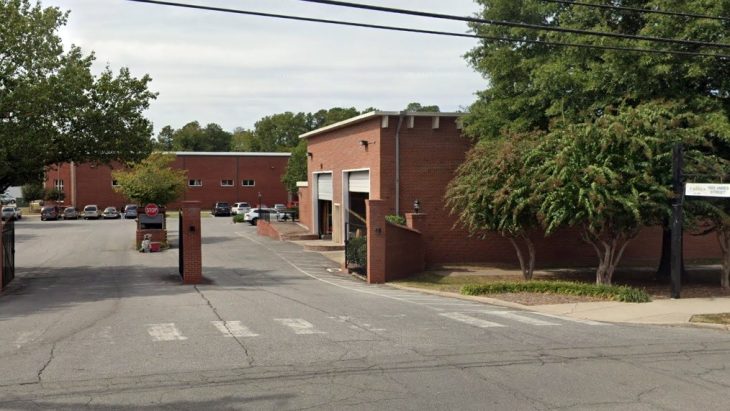
About Triangle Residential Options for Substance Abusers
TROSA stands for Triangle Residential Options for Substance Abusers, and they provide a holistic approach to recovery for people with alcohol and opioid use disorders in Durham, North Carolina, the home of Duke University. Using daily antagonist drugs such as naltrexone, they offer and arrange medication assisted treatment (MAT) options in accordance with medical advice.
They make appointments with nearby providers for people taking long acting agonists like Sublocade. As you join their community the team will assist you in switching from daily dosage agonists to a long-acting partial agonist. Their services may require insurance, but they help eligible residents access supplemental payment options like Medicaid or VA healthcare. However, uninsured clients can still receive help here.
An important part of their program is education. In order to lower the risk of relapse and overdose residents are taught about the neurobiological effects of addiction as well as the different medications available. They honor the decisions each resident makes about MAT and support a variety of recovery pathways.
Their facility is not a detoxification center, and they offer all services including housing, clothing, food and personal care products for free. Their full-day, structured treatment program is intended to assist you in achieving and sustaining long term recovery. You will participate in a variety of activities that encourage everyday behavior changes and life skills under the direction of program graduates, peer leaders, licensed and certified professionals, and trained support specialists.
Community service projects are essential to their process because they give you the chance to recognize and practice changes in a safe setting. Residents also take part in classes, seminars, and group activities that address issues like goal setting, stress management, relapse prevention and anger management. Group activities, special events, and areas set aside for entertainment exercise and artistic and musical endeavors provide additional chances for enjoyment and discovery during the recuperation process.
| Levels of Care | Detox Service Setting | Programs | Payment Options | |||
|---|---|---|---|---|---|---|
|
Inpatient and residential programs provide round-the-clock medical and emotional support as you live at the treatment facility. This level of care may be recommended if you have severe addictions or mental health conditions since it removes outside distractions and allows you to focus solely on therapy. |
Aftercare programs provide ongoing support after you complete a rehab program. They may include several components to help you maintain sobriety including therapy, community support groups and relapse prevention strategies. This gives you a network of resources as you reintegrate into your daily life. |
Dual diagnosis programs address substance use disorders and co-occurring mental health conditions simultaneously. This integrated approach to care improves the likelihood of long term recovery and stability by addressing the root causes of addiction. |
||||
|
Inpatient detox occurs in a dedicated treatment facility. You’ll live there around the clock and receive intensive medical support and supervision to help manage your withdrawal symptoms. It is suitable for individuals with moderate to severe addictions as it ensures a stable detox environment. |
||||||
|
Adult programs address the substance use and life challenges specific to adults. Therapists can deliver sessions in individual, group and family settings. Services often include job support and life skills training in a structured environment. |
Alcohol detox programs offer medical support to help individuals withdraw safely from alcohol. Your care team may use medications to ease your symptoms and provide medical monitoring to address complications. |
Drug detox programs support individuals who are withdrawing from addictive substances like cocaine and heroin. Medical support helps you manage symptoms in a controlled and safe environment so you can achieve initial sobriety. |
Men's programs address substance use while also considering the social pressures, family roles and mental health concerns that are specific to men. You’ll learn healthy coping mechanisms as you build emotional resilience and develop communication skills. |
Opioid detox uses medications to ease severe withdrawal symptoms. It also includes medical supervision to help you manage potential complications. These services allow you to stabilize and begin a recovery plan. |
Women's programs offer a safe and supportive space to focus on gender specific issues such as trauma, family roles and mental health conditions. Therapists tailor the sessions to address women's needs and foster empowerment in a healing and nurturing environment. |
Young adult programs are designed for individuals who are transitioning into adulthood. Topics of discussion typically include identity, independence and peer relationships. Providers may also offer life skills training and career support. |
|
Free
|
Levels of Care
Inpatient and residential programs provide round-the-clock medical and emotional support as you live at the treatment facility. This level of care may be recommended if you have severe addictions or mental health conditions since it removes outside distractions and allows you to focus solely on therapy.
Aftercare programs provide ongoing support after you complete a rehab program. They may include several components to help you maintain sobriety including therapy, community support groups and relapse prevention strategies. This gives you a network of resources as you reintegrate into your daily life.
Dual diagnosis programs address substance use disorders and co-occurring mental health conditions simultaneously. This integrated approach to care improves the likelihood of long term recovery and stability by addressing the root causes of addiction.
Detox Service Setting
Inpatient detox occurs in a dedicated treatment facility. You’ll live there around the clock and receive intensive medical support and supervision to help manage your withdrawal symptoms. It is suitable for individuals with moderate to severe addictions as it ensures a stable detox environment.
Programs
Adult programs address the substance use and life challenges specific to adults. Therapists can deliver sessions in individual, group and family settings. Services often include job support and life skills training in a structured environment.
Alcohol detox programs offer medical support to help individuals withdraw safely from alcohol. Your care team may use medications to ease your symptoms and provide medical monitoring to address complications.
Drug detox programs support individuals who are withdrawing from addictive substances like cocaine and heroin. Medical support helps you manage symptoms in a controlled and safe environment so you can achieve initial sobriety.
Men's programs address substance use while also considering the social pressures, family roles and mental health concerns that are specific to men. You’ll learn healthy coping mechanisms as you build emotional resilience and develop communication skills.
Opioid detox uses medications to ease severe withdrawal symptoms. It also includes medical supervision to help you manage potential complications. These services allow you to stabilize and begin a recovery plan.
Women's programs offer a safe and supportive space to focus on gender specific issues such as trauma, family roles and mental health conditions. Therapists tailor the sessions to address women's needs and foster empowerment in a healing and nurturing environment.
Young adult programs are designed for individuals who are transitioning into adulthood. Topics of discussion typically include identity, independence and peer relationships. Providers may also offer life skills training and career support.
Accreditations

Contact


- Monday 8AM - 5PM
- Tuesday 8AM - 5PM
- Wednesday 8AM - 5PM
- Thursday 8AM - 5PM
- Friday 8AM - 5PM
- Saturday 8AM - 5PM


Peter W.Y. Lee is a historian with a focus in American Cold War culture. He has examined how popular culture has served as a coping mechanism for the challenges and changes impacting American society throughout the twentieth century.
Nearby Detox Centers


Search by North Carolina Cities
FAQs
Does Triangle Residential Options offer medical detoxification in Durham?
Triangle Residential Options for Substance Abusers provides residential treatment services in Durham, NC. The facility focuses on substance abuse recovery through structured residential programming. Prospective clients should contact the center directly to confirm the specific detox or withdrawal management services available and whether medical supervision is included.
What substances can be treated at Triangle Residential Options in Durham, NC?
Triangle Residential Options for Substance Abusers serves individuals struggling with substance abuse disorders. The facility’s website and clinical intake team can provide details about which specific substances—such as alcohol, opioids, or others—are addressed through the center’s residential treatment programs.
How long does residential treatment last at Triangle Residential Options?
Triangle Residential Options for Substance Abusers offers residential substance abuse treatment in Durham. The length of stay varies based on individual needs and treatment plans. The facility’s clinical team can discuss program duration and customized treatment timelines during the intake and assessment process.
What is the intake process for admissions at Triangle Residential Options?
Triangle Residential Options for Substance Abusers begins treatment with an intake and assessment process. During this step, the facility’s staff evaluate the individual’s substance abuse history, medical needs, and treatment goals. The medical and clinical team then develops a personalized residential treatment plan based on assessment findings.
What insurance plans does Triangle Residential Options accept for treatment?
Triangle Residential Options for Substance Abusers in Durham accepts various payment and insurance options for residential treatment. Individuals are encouraged to reach out to the facility to verify insurance coverage, discuss out-of-pocket costs, and explore available payment arrangements with the admissions team.