800-262-4205
VA Pittsburgh Healthcare System Westmoreland County VA Clinic

About VA Pittsburgh Healthcare System Westmoreland County VA Clinic
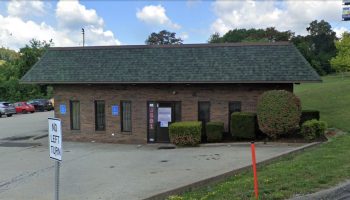
The Westmoreland County VA Clinic operates under the VA Pittsburgh Healthcare System and is located in Greensburg, Pennsylvania. Although this is an outpatient clinic, they provide an array of services that address your medical, mental, and behavioral health needs.
Additionally, they have a robust mental health care department here that addresses issues related to substance abuse struggles and co-occurring mental health struggles.
If you are a veteran or the family of a veteran who is struggling with health issues that are adversely impacting your ability to lead a positive and productive life, the services here can help you.
This center accepts policies from most major insurance providers as well as VA benefits.
Addiction Treatment Through Comprehensive Mental Health Care
The VA Pittsburgh Healthcare System can address addiction struggles through the use of medically supervised detox and medication assisted treatment (MAT). However, to start on these treatment approaches, you’ll need a referral to the VA Pittsburgh Healthcare Network’s Medical Center.
Once you start on a treatment track such as MAT, you can continue receiving services through regular check-ins at the outpatient clinic.
Wraparound Support
This outpatient clinic does a really good job of tailoring your treatment plan to your specific needs. For example, they have services for those who might need dietary support and veterans who’ve endured traumatic experiences that have contributed to their addiction struggles.
Other services that provide whole-person, wraparound care include HIV or hepatitis treatment as well as integrated medical care like routine exams, X-rays, and other health checkups.
| Levels of Care | Detox Service Setting | Programs | Payment Options | ||||
|---|---|---|---|---|---|---|---|
|
Inpatient and residential programs provide round-the-clock medical and emotional support as you live at the treatment facility. This level of care may be recommended if you have severe addictions or mental health conditions, because it offers a distraction-free environment where you can focus solely on recovery. |
Outpatient therapy involves attending therapy sessions several times each week while living at home. This is suitable if you have a strong support system and a lower risk of relapse. Outpatient treatment offers flexibility to maintain other obligations such as work or school. |
Aftercare programs provide ongoing support for those who have completed a rehab program. These supports may include therapy, community groups and relapse prevention strategies. These resources give you a network of support as you reintegrate into daily life. |
Dual diagnosis programs address substance use disorders and co-occurring mental health conditions simultaneously. By addressing the root cause of addiciton, this approach improves the likelihood of long-term recovery and stability. |
An intervention is a structured, professionally-guided conversation with an individual who is struggling with addiction. The goal is to encourage the individual to seek treatment. This is often a pivotal point for those resistant to getting help. |
|||
|
Inpatient detox occurs in a dedicated treatment facility. Participants live at the facility around the clock and receive intensive medical support and supervision to help alleviate withdrawal symptoms. This setting is suitable for individuals with moderate to severe addictions, as it ensures a stable detox environment. |
Outpatient detox provides access to medically supervised withdrawal services while still allowing the individual to live at home. Treatment and monitoring are provided. This flexible option is suitable for those with mild to moderate withdrawal symptoms who have strong support systems. |
||||||
|
Adult programs address the substance use and life challenges specific to adults. Therapists often deliver sessions in individual, group, and family settings. Job support and life skills training can also be provided.
|
Cognitive behavioral therapy focuses on changing harmful thought patterns and behaviors associated with addiction. Participants learn healthier coping mechanisms by identifying and replacing negative thoughts. This improves emotional resilience and lowers the risk of relapse.
|
LGBTQ-friendly programs create an inclusive and affirming space for recovery. Treatment is sensitive to issues like discrimination and stigma. Participants receive support and therapy that respects and acknowledges your unique experiences.
|
Men's programs address substance use issues as well as social pressures, family roles, and mental health concerns that are specific to men. Participants learn healthy coping mechanisms, emotional resilience, and communication skills.
|
Military / Veterans
|
Senior programs address the unique needs of older adults, such as chronic pain and grief. Programs include peer support and medical oversight for age-related health concerns. The goal of these programs is to improve quality of life and promote sobriety as people age.
|
Women's programs offer a safe and supportive space to focus on gender-specific issues such as trauma, family roles, and mental health conditions. Therapy sessions address women's needs and foster empowerment in a healing and nurturing environment.
|
Young adult programs are designed for individuals who are transitioning into adulthood. Discussion topics typically include identity, independence, and peer relationships. Participants may also receive life skills training and career support.
|
|
Payment Assistance
|
Medicare
|
Military Insurance
|
Private Insurance
|
Self Pay
|
Levels of Care
Inpatient and residential programs provide round-the-clock medical and emotional support as you live at the treatment facility. This level of care may be recommended if you have severe addictions or mental health conditions, because it offers a distraction-free environment where you can focus solely on recovery.
Outpatient therapy involves attending therapy sessions several times each week while living at home. This is suitable if you have a strong support system and a lower risk of relapse. Outpatient treatment offers flexibility to maintain other obligations such as work or school.
Aftercare programs provide ongoing support for those who have completed a rehab program. These supports may include therapy, community groups and relapse prevention strategies. These resources give you a network of support as you reintegrate into daily life.
Dual diagnosis programs address substance use disorders and co-occurring mental health conditions simultaneously. By addressing the root cause of addiciton, this approach improves the likelihood of long-term recovery and stability.
An intervention is a structured, professionally-guided conversation with an individual who is struggling with addiction. The goal is to encourage the individual to seek treatment. This is often a pivotal point for those resistant to getting help.
Detox Service Setting
Inpatient detox occurs in a dedicated treatment facility. Participants live at the facility around the clock and receive intensive medical support and supervision to help alleviate withdrawal symptoms. This setting is suitable for individuals with moderate to severe addictions, as it ensures a stable detox environment.
Outpatient detox provides access to medically supervised withdrawal services while still allowing the individual to live at home. Treatment and monitoring are provided. This flexible option is suitable for those with mild to moderate withdrawal symptoms who have strong support systems.
Programs
Accreditations


Contact



Nadia holds a Master’s in Secondary Education and serves secondary ed. students and their families through the Shenandoah Valley. When she’s not working with students, Nadia is a contributing writer at LawCommentary.com, offering legal insight into laws, regulations, and accountability concerning the national opioid epidemic.

Courtney Myers writes and edits professionally from her home in North Carolina. She holds an MS in Technical Communication from N.C. State University and has worked in proposal management, marketing, and online content creation. She specializes in creating resources related to behavioral health and addiction recovery.
Detox.com regularly reviews this listing for accuracy but changes may occur between updates. For the most up-to-date information, please contact VA Pittsburgh Healthcare System Westmoreland County VA Clinic.