800-262-4205
Valiant Detox & Assessment (Fort Lupton)

About Valiant Detox & Assessment (Fort Lupton)
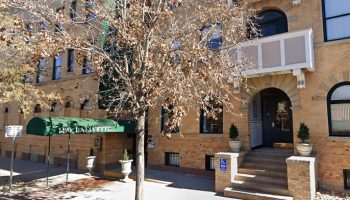
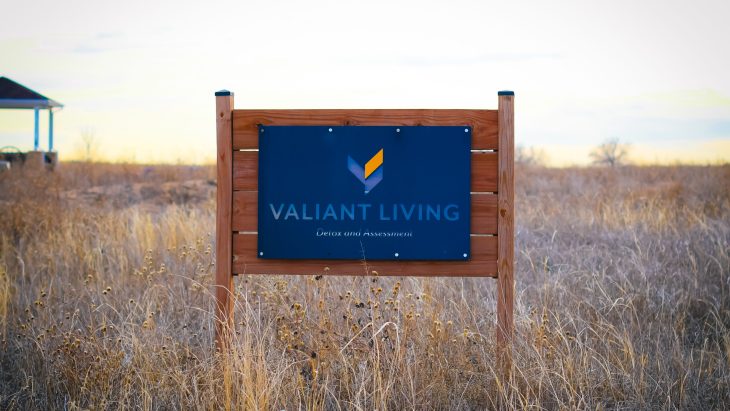
Valiant Detox & Assessment is a medical detox and mental health stabilization center in Fort Lupton, Colorado. Located on a private Colorado ranch, this Joint Commission accredited facility offers medically supervised detox and short term residential stabilization for adults seeking recovery from substance use and co-occurring mental health disorders.
Addiction Treatment Programs at Valiant Detox & Assessment
Medically supervised detox safely manages withdrawals over three to 10 days. Their short term residential stabilization program admits only eight patients at a time providing more individualized care.
Treatment incorporates evidence-based therapies such as cognitive behavioral therapy, dialectical behavior therapy, and medication assisted treatment alongside group programming that includes 12-step facilitation, art therapy, and medication education. They address both addiction and co-occurring conditions like anxiety, depression, PTSD, and bipolar disorder.
Key Features of Valiant Detox & Assessment
- Levels of care: Medically supervised detox and residential stabilization
- Who they treat: Men and women ages 18 and older, including first time patients, individuals experiencing relapse, and those with dual diagnosis or co-occurring mental health disorders
- Approach: Evidence based therapies including CBT, DBT, and MAT, with 12-step facilitation, art therapy, and recovery informed leadership
- Payment options: Accepts private health insurance
- Amenities: Private and double rooms with in-suite bathrooms, gender separate wings, home like communal spaces, and serene mountain views on a private ranch
- Aftercare services: Case management, post detox care coordination, and referrals for continued treatment
| Levels of Care | Programs | Payment Options | ||
|---|---|---|---|---|
|
In outpatient therapy, you’ll attend therapy sessions several times each week while living at home. This is ideal if you have a strong support system and a lower risk of relapse. Outpatient treatment offers flexibility to maintain work, school or family obligations. |
Aftercare programs provide ongoing support after you complete a rehab program. They may include several components to help you maintain sobriety including therapy, community support groups and relapse prevention strategies. This gives you a network of resources as you reintegrate into your daily life. |
Intensive Outpatient
|
An intervention is a structured and professionally guided conversation with an individual who is struggling with addiction. During the conversation, family and friends will encourage you to seek treatment. This is often a pivotal step for those resistant to getting help. |
Partial hospitalization programs provide comprehensive treatment in a structured setting during the day but allow you to return home at night. These programs offer a balance of inpatient and outpatient rehab and provide intensive support without full time residency. |
|
Adult programs address the substance use and life challenges specific to adults. Therapists can deliver sessions in individual, group and family settings. Services often include job support and life skills training in a structured environment.
|
Men's programs address substance use while also considering the social pressures, family roles and mental health concerns that are specific to men. You’ll learn healthy coping mechanisms as you build emotional resilience and develop communication skills.
|
|||
|
Self Pay
|
Private Insurance
|
Levels of Care
In outpatient therapy, you’ll attend therapy sessions several times each week while living at home. This is ideal if you have a strong support system and a lower risk of relapse. Outpatient treatment offers flexibility to maintain work, school or family obligations.
Aftercare programs provide ongoing support after you complete a rehab program. They may include several components to help you maintain sobriety including therapy, community support groups and relapse prevention strategies. This gives you a network of resources as you reintegrate into your daily life.
An intervention is a structured and professionally guided conversation with an individual who is struggling with addiction. During the conversation, family and friends will encourage you to seek treatment. This is often a pivotal step for those resistant to getting help.
Partial hospitalization programs provide comprehensive treatment in a structured setting during the day but allow you to return home at night. These programs offer a balance of inpatient and outpatient rehab and provide intensive support without full time residency.
Programs
Amenities
Accreditations


Accepted Insurance

Contact



Kimberly Hawkins holds a Masters degree in Computing and Information Sciences from East Tennessee State University. She is also a freelance writer specializing in content related to mental health, addiction recovery, and overall wellness. On Valentine’s Day of 2024, Kimberly’s only sibling passed away of an accidental drug overdose. Since then, Kimberly has become a passionate advocate for addiction recovery awareness and support.
Detox.com regularly reviews this listing for accuracy but changes may occur between updates. For the most up-to-date information, please contact Valiant Detox & Assessment (Fort Lupton).