Find Drug & Alcohol Detox Centers in College Station, TX

Detox Centers in College Station

15 Results
Filters
Setting
Medications Offered
Treatment
Programs
Payment Options
Name Address Detox Service Setting Levels Of Care Media

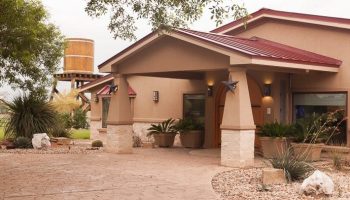
Promises Brazos Valley

3550 Normand Dr College Station, TX 77845
Detox Service Setting
Inpatient DetoxOutpatient Detox
Levels Of Care
InpatientOutpatient

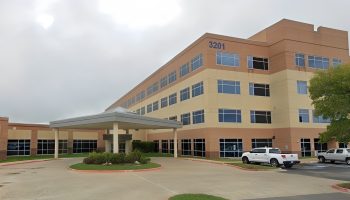
More Than Rehab

3201 University Drive East Bryan, TX 77802
Detox Service Setting
Inpatient DetoxOutpatient DetoxMAT
Levels Of Care
InpatientPHPOutpatient+3
More Than Rehab

ADAPT Programs Huntsville

1523 Normal Park Drive Huntsville, TX 77340
Detox Service Setting
Outpatient Detox
Levels Of Care
OutpatientAftercareDual Diagnosis
ADAPT Programs Huntsville

Mallard Lake Detox

18407 Hopfe Rd Cypress, TX 77447
Detox Service Setting
Inpatient DetoxOutpatient Detox
Levels Of Care
InpatientOutpatient
Mallard Lake Detox

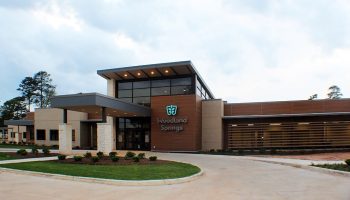
Woodland Springs

15860 Old Conroe Road Conroe, TX 77384
Detox Service Setting
Inpatient DetoxOutpatient DetoxMAT+1
Levels Of Care
InpatientPHPOutpatient+2
Woodland Springs

Aspire Hospital Behavioral Health Inpatient

2006 South Loop 336 West Conroe, TX 77304
Detox Service Setting
Inpatient DetoxOutpatient DetoxMAT+1
Levels Of Care
InpatientPHPOutpatient+3
Aspire Hospital Behavioral Health Inpatient

New Dimensions Day Treatment Center The Woodlands Program

25511 Budde Road The Woodlands, TX 77380
Detox Service Setting
Outpatient Detox
Levels Of Care
OutpatientAftercareDual Diagnosis
New Dimensions Day Treatment Center The Woodlands Program

Symetria Recovery Spring

635 Rayford Road Spring, TX 77386
Detox Service Setting
Outpatient Detox
Levels Of Care
OutpatientAftercareDual Diagnosis
Symetria Recovery Spring

Baylor Scott & White Mental Health Clinic – Temple

2401 South 31st Street Temple, TX 76508
Detox Service Setting
Inpatient DetoxOutpatient Detox
Levels Of Care
InpatientOutpatientAftercare+1
Baylor Scott & White Mental Health Clinic – Temple

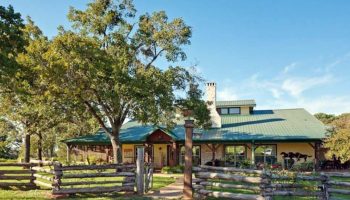
New Hope Ranch

11908 Sparks Road Manor, TX 78653
Detox Service Setting
Inpatient DetoxOutpatient Detox
Levels Of Care
InpatientOutpatient
New Hope Ranch

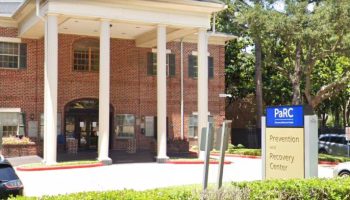
Prevention and Recovery Center (PaRC) Houston

3043 Gessner Road Houston, TX 77063
Detox Service Setting
Inpatient DetoxOutpatient DetoxMAT
Levels Of Care
InpatientPHPOutpatient+3
Prevention and Recovery Center (PaRC) Houston

The Last Resort

1620 FM 535 Smithville, TX 78957
Detox Service Setting
Inpatient Detox
Levels Of Care
InpatientAftercareDual Diagnosis+1
The Last Resort

Cedar Crest Hospital & Residential Treatment Center

3500 Interstate 35 Belton, TX 76513
Detox Service Setting
Inpatient DetoxOutpatient Detox
Levels Of Care
InpatientPHPIntensive Outpatient+2
Cedar Crest Hospital & Residential Treatment Center

BRC Recovery Center

11503 Parsons Road Manor, TX 78653
Detox Service Setting
Inpatient DetoxOutpatient Detox
Levels Of Care
InpatientOutpatientAftercare+3
BRC Recovery Center

Positive Recovery Centers – Addiction Treatment in Garden Oaks – Houston

513 Thornton Road Houston, TX 77018
Detox Service Setting
Inpatient DetoxOutpatient Detox
Levels Of Care
InpatientOutpatientIntensive Outpatient+3
Positive Recovery Centers – Addiction Treatment in Garden Oaks – Houston

Drug & Alcohol Detox in College Station, TX

College Station sits in Brazos County in the heart of Central Texas, home to Texas A&M University and a combined Bryan-College Station metro population of roughly 270,000.

The presence of a large university creates a distinct treatment landscape. Here, alcohol-related crises and stimulant use among young adults are a significant part of the local caseload, alongside families and working adults across the broader Brazos Valley.

It’s important to keep in mind that treatment capacity in College Station is more limited than in Houston or Austin. Residential and medically managed detox options are few, and people who need a higher level of care must often travel to facilities in Houston (roughly 100 miles south) or Austin (roughly 100 miles west) for treatment.

Knowing this geographic reality matters when choosing a detox center, as your clinical needs may require accessing care outside the immediate area.

The Brazos Valley Council on Alcohol and Substance Abuse (BVCASA) is the primary local nonprofit delivering prevention, intervention and outpatient SUD treatment under state HHSC contracts. Texas A&M Health also operates an active Opioid Task Force in College Station that trains community members and healthcare students in naloxone administration and overdose response, providing an important public health resource for the region.

All detox and substance use disorder treatment facilities in Texas must be licensed by the Texas Health and Human Services Commission (HHSC) as Chemical Dependency Treatment Facilities (CDTFs), which is governed by Texas Health and Safety Code Chapter 464 and 26 TAC Chapter 564. Additionally, Narcotic Treatment Programs (NTPs) that dispense methadone and buprenorphine for opioid use disorder are separately licensed under 26 TAC Chapter 563.

The Texas Department of State Health Services (DSHS) also coordinates overdose surveillance through its Overdose Data to Action (OD2A) program, tracking trends by county and directing resources accordingly.
Find The Perfect Detox Center For You

Filter treatment centers in College Station by level of care offered to find the best detox program for you or a loved one.

Paying for Detox in College Station

Knowing what to expect financially can make the process of finding treatment feel less overwhelming.

Texas ranks among the more affordable states nationally for outpatient rehab and a growing number of insurance plans, public programs and nonprofit providers make detox costs in Texas more manageable than many people expect.

How Much Does Detox Cost in College Station?

Costs for detox in College Station follow Texas-wide pricing patterns, since local providers operate within the same state market. The primary cost drivers are the level of medical supervision required, the length of stay, the substance involved and whether medications are needed during withdrawal.

Alcohol and opioid withdrawal typically carry the highest medical complexity and cost.

$3,000 to $10,000
Medical Detox
~$56,600
Inpatient Rehab
$1,000 to $5,000
Outpatient Rehab
$5,900 to $18,500 annually
Methadone Treatment

Does Private Insurance Cover Detox in College Station?

Under the Affordable Care Act, private health insurers are required to cover substance use disorder treatment at parity with other medical and surgical benefits. The Texas Department of Insurance oversees insurer compliance for plans sold in the state.

Coverage terms, in-network providers and prior authorization requirements vary by plan, so verifying benefits directly with your insurer before admission is strongly recommended.

The most common commercial insurers in the College Station and Brazos Valley market include:

Blue Cross Blue Shield
United Health Care
Aetna
Cigna
Ambetter
Humana

Medicare and Medicaid in College Station

Medicare

Medicare covers medically necessary inpatient and outpatient detox services. Part B covers Opioid Treatment Program services, including methadone, buprenorphine and naltrexone. Copays, deductibles, and coverage limits depend on your specific Medicare plan and the treatment setting.

Medicaid

Texas Medicaid is delivered through the State of Texas Access Reform (STAR) managed care program. STAR covers outpatient counseling, medication-assisted treatment, detox services and some residential treatment for eligible members.

Health plans are assigned by county of residence and Brazos County residents are served by STAR Health Plans active in the region.

You can contact 2-1-1 Texas to confirm current coverage and find network providers near you.

Other Ways to Pay for Detox Treatment

Cost should not be the reason someone in College Station delays getting help. Several options exist to reduce or eliminate out-of-pocket expenses:

Sliding Scale / FQHC Services: 

HealthPoint, a Federally Qualified Health Center (FQHC) serving the Greater Brazos Valley, accepts nearly all insurance plans and offers income-based fee discounts on a sliding scale. HealthPoint provides behavioral health services and referrals to SUD treatment programs for patients regardless of their ability to pay.

Nonprofit Programs: 

BVCASA (Brazos Valley Council on Alcohol and Substance Abuse) offers outpatient treatment programs funded in part through HHSC state contracts, making services available at reduced or no cost for income-qualified Brazos Valley residents.

State-Funded Programs: 

HHSC Behavioral Health Services funds community SUD treatment through local mental health and behavioral health authorities. Income-eligible residents can access state-funded outpatient care through HHSC’s contracted provider network; BVCASA is the primary contracted provider for Brazos County.

Veterans Programs: 

Veterans in the Brazos Valley can access substance use treatment services through the U.S. Department of Veterans Affairs. The nearest full-service VA Medical Center is in Waco (approximately 55 miles north), with outpatient clinics in the Temple area. VA-funded residential and intensive SUD programs are available to eligible veterans at no cost.

College Station, Texas Regulations and Accreditation for Detox

Key regulatory and accreditation bodies that oversee detox and substance use disorder treatment services in College Station and across Texas include:

Texas Health and Human Services Commission (HHSC), Chemical Dependency Treatment Facility (CDTF) Licensing

HHSC is the primary state licensing authority for CDTFs in Texas under Texas Health and Safety Code Chapter 464. HHSC sets and enforces standards for staffing credentials, clinical care, client rights, safety and facility operations.

Every licensed detox program and residential SUD treatment facility operating in College Station must hold a current CDTF license issued by HHSC.

Texas HHSC, Narcotic Treatment Program (NTP) Licensing

HHSC separately licenses Narcotic Treatment Programs under 26 TAC Chapter 563, governing facilities that dispense methadone and other opioid agonist therapies for treatment of opioid use disorder.

NTP licensure is required alongside federal DEA registration and SAMHSA certification for any opioid treatment program operating in Texas.

Texas Department of State Health Services (DSHS), Overdose Data to Action (OD2A) Program

DSHS administers the OD2A surveillance program, which tracks drug poisoning deaths, emergency department visits and overdose trends at the county and regional level.

This data infrastructure directly informs how HHSC allocates treatment funding and overdose prevention resources across Texas, including in Brazos County.

Key MAT Medications and Regulatory Status in College Station

Providers offering medication-assisted detox in College Station must comply with both Texas HHSC licensing requirements and federal SAMHSA and DEA standards under 42 CFR Part 8. Texas also requires that MAT be delivered as an integrated program, with counseling and behavioral therapy incorporated alongside medication.

Buprenorphine: 

Available through licensed outpatient providers and telehealth prescribers serving the College Station area. Since federal prescribing restrictions were lifted in 2023, any DEA-registered clinician can prescribe buprenorphine for opioid use disorder, meaningfully expanding access in mid-sized markets like College Station.

Methadone: 

Restricted to federally certified and state-licensed Narcotic Treatment Programs; it cannot be prescribed at standard clinics or dispensed at pharmacies for opioid use disorder. Patients in College Station may need to travel to an NTP site in a larger nearby city, as methadone dispensing programs are concentrated in more populous Texas metros.

Naltrexone: 

Non-controlled and unrestricted; any licensed prescriber can order it without special NTP certification. Injectable naltrexone (Vivitrol) is widely used in outpatient settings and in Texas criminal justice diversion programs and is covered by Texas Medicaid and most private insurance plans.

Overdose Prevention and Harm Reduction in College Station

Harm reduction resources in College Station are more limited than in major Texas metros, though several organizations provide access to naloxone, overdose education and low-barrier care.

It is important to note that Texas law does not authorize syringe service programs, and fentanyl test strips remain in a legally ambiguous status under state law.

Given the continued role of fentanyl in Texas overdose deaths, understanding fentanyl risks and accessing naloxone are the most critical harm reduction steps available to people in the Brazos Valley.

Texas A&M Health Opioid Task Force

Free naloxone (Narcan) distribution at training events Opioid Overdose Education and Naloxone Administration (OENA) training Community education events open to students, faculty, and area residents Training programs for first responders and health professions students

The Texas A&M Health Opioid Task Force is based in College Station and conducts regular community naloxone training events that are open to anyone in the Bryan-College Station area. The program has trained hundreds of community members and health science students in overdose recognition and naloxone administration.

Training events are listed on the OENA program webpage and can be attended at no cost.

Naloxone Texas (University Health, San Antonio)

Free naloxone by mail to individuals and organizations statewide Overdose prevention training resources Statewide distribution network through regional hubs

Naloxone Texas is the state’s primary free naloxone program, funded through HHSC and the Texas Opioid Abatement Fund Council. In August 2024, the OAFC awarded University Health a $25 million grant to expand statewide naloxone distribution, including to smaller counties like Brazos.

Individuals and organizations in College Station can request free Narcan directly through the Naloxone Texas website with no prescription required.

Brazos Valley Council on Alcohol and Substance Abuse (BVCASA)

Outpatient treatment for adults and youth Substance use prevention and intervention programs DWI and drug education programs and coalition Community prevention coordination

BVCASA has served the Brazos Valley since 1984 and is the region’s primary community-based SUD nonprofit.

While not a dedicated harm reduction organization, BVCASA provides low-barrier pathways into treatment and prevention services for Brazos County residents and serves as a practical referral bridge for people seeking support before they are ready for clinical detox.

HealthPoint (BVCAA dba HealthPoint)

Behavioral health services and referrals Sliding-scale and income-based fee programs Medical care for uninsured and underinsured residents Assistance with insurance enrollment Financial aid applications

HealthPoint is a Federally Qualified Health Center (FQHC) network serving the Greater Brazos Valley with multiple clinic locations. It provides behavioral health services and connects patients experiencing substance use challenges to SUD treatment referrals, regardless of insurance status.

HealthPoint accepts nearly all insurance plans and offers financial assistance for those who do not qualify for coverage.

Detox Statistics in College Station, Texas

Brazos County-level overdose data is frequently suppressed in statewide reports due to population size, but Texas-wide trends reflect the pressures experienced in College Station and the Brazos Valley.

The statistics below come from DSHS, CDC, and state government sources covering trends directly relevant to the region.

68% Increase in Texas Drug Poisoning Deaths (2019-2024):

Texas drug poisoning deaths increased by 68% from 2019 to 2024, driven primarily by fentanyl and methamphetamine entering the state’s drug supply.

46% Fentanyl Involvement Rate in Texas Overdose Deaths:

In 2023, fentanyl and other synthetic opioids were involved in 46% of all drug overdose deaths in Texas, making them the most common drug type identified in fatal overdoses.

Leading Cause of Injury Death for Working-Age Adults:

In 2023, drug poisoning was the leading cause of injury-related death for Texans aged 24 to 69, surpassing motor vehicle crashes and all other injury causes statewide.

FAQs About Detox in College Station, TX

Is there a state-funded detox center in College Station?

College Station does not have a large state-funded residential detox program comparable to those in Houston or Dallas. BVCASA provides income-eligible outpatient treatment funded through HHSC state contracts and HealthPoint offers sliding-scale behavioral health services.

For residential medical detox, most residents access care in Houston or Austin through state-funded referrals coordinated via HHSC’s local behavioral health authority.

Can I get naloxone for free in College Station?

Yes. The Texas A&M Health Opioid Task Force distributes naloxone free at community OENA training events in College Station, which are open to anyone in the area.

Naloxone Texas also ships free Narcan by mail to individuals anywhere in Texas with no prescription required.

Since March 2023, naloxone nasal spray has been FDA-approved for over-the-counter sale. It is available without a prescription at most CVS, Walgreens and HEB pharmacy locations in the Bryan-College Station area.

Does Texas Medicaid cover detox in College Station?

Texas Medicaid, through the STAR managed care program, covers outpatient counseling, medication-assisted detox and some residential treatment services for eligible members.

Brazos County residents are assigned to STAR Health Plans that are active in the region. Contact your plan directly or call 2-1-1 Texas to confirm current coverage, network providers and whether prior authorization is required for your level of care.

What substances are most commonly treated at College Station detox programs?

Local providers primarily treat alcohol use disorder, opioid use disorder, stimulant use disorder (including methamphetamine) and benzodiazepine dependency.

Alcohol and opioid withdrawal are the most clinically urgent, as both carry risks of severe or life-threatening symptoms that require medically supervised detox rather than unassisted home withdrawal.

Do I need to be a Texas A&M student to access harm reduction resources on campus?

No. The Texas A&M Health Opioid Task Force’s naloxone training and distribution events are open to community members, not just university students and staff.

Training events are listed on the OENA program page at cpha.tamu.edu/opioids and are available to anyone in the Bryan-College Station area at no cost.

How far is College Station from the nearest large residential detox facility?

Houston is approximately 100 miles south of College Station, and Austin is roughly 100 miles west. Both cities have multiple licensed residential detox programs and medically managed withdrawal management centers.

If a higher level of care than local outpatient providers can offer is needed, these are the two most accessible metro areas for Brazos Valley residents seeking residential options.

Two people talking
Get Help Today!
If you or a loved one is in need of help, call today. Pick up the phone and get the help you need.
800-483-2193
Confidential. Available 24 Hours

Browse Detox Centers

Get Help Today Phone icon 800-779-4314