512-298-6438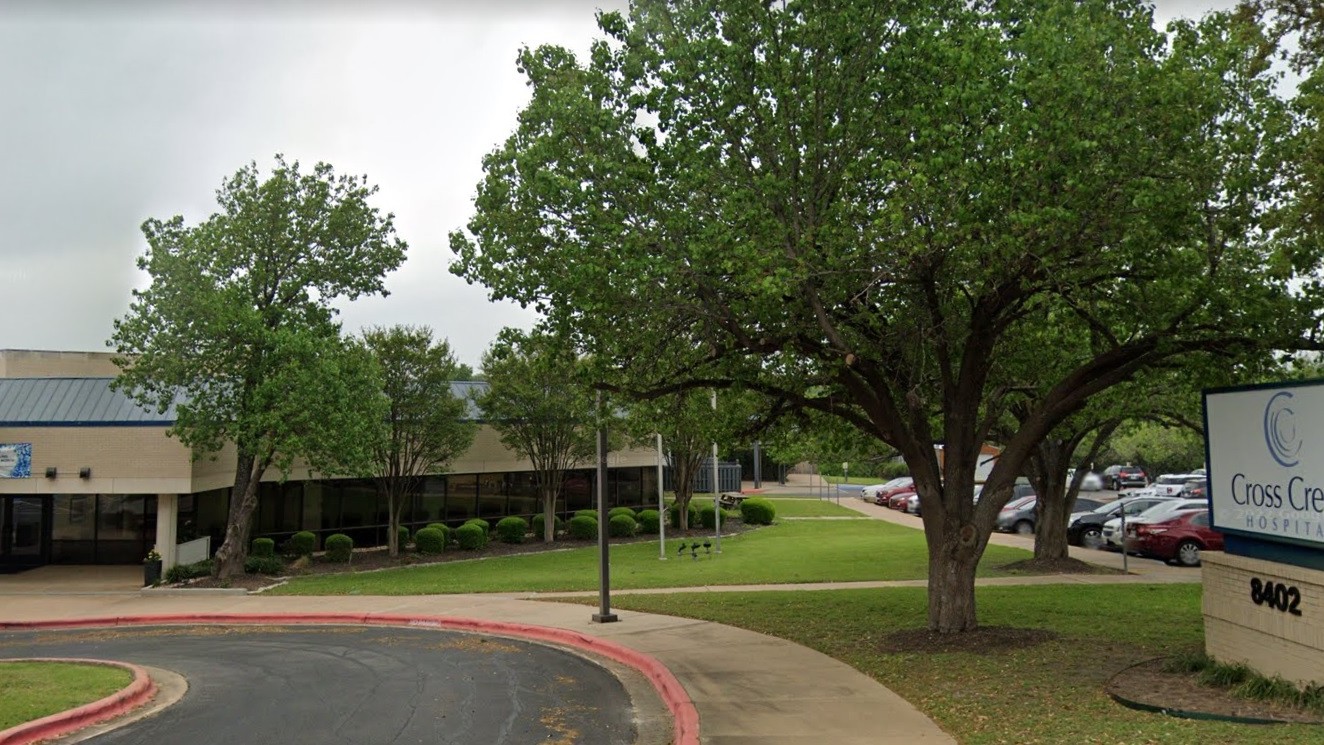
Cross Creek Hospital
Austin, TX
78754




| Name | Address | Detox Service Setting | Levels Of Care | Media |
|---|---|---|---|---|
Elevated Sober Living |
3404 Ticonderoga McKinney, TX 75070 |
Detox Service Setting
Inpatient DetoxOutpatient Detox
|
Levels Of Care
InpatientOutpatient
|

|
BasePoint Academy McKinney |
4733 Medical Center Dr McKinney, TX 75069 |
Detox Service Setting
Inpatient DetoxOutpatient Detox
|
Levels Of Care
InpatientOutpatient
|
|
Medical Center of McKinney Behavioral Medical Serv/Wysong Campus |
130 South Central Expressway McKinney, TX 75070 |
Detox Service Setting
Hospital DetoxInpatient Detox
|
Levels Of Care
InpatientDual Diagnosis
|
|
MedPro Treatment Centers |
2309 Virginia Parkway McKinney, TX 75071 |
Detox Service Setting
|
Levels Of Care
|
|
Arise Recovery Centers McKinney |
6850 TPC Dr Plano, TX 75070 |
Detox Service Setting
Inpatient DetoxOutpatient Detox
|
Levels Of Care
InpatientOutpatient
|

|
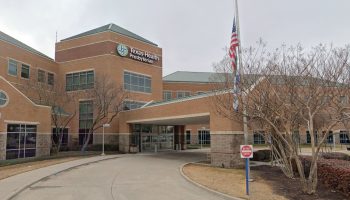
Texas Health Presbyterian Hospital Allen |
1105 Central Expressway Allen, TX 75013 |
Detox Service Setting
Inpatient DetoxOutpatient Detox
|
Levels Of Care
InpatientOutpatientAftercare+1
|
|
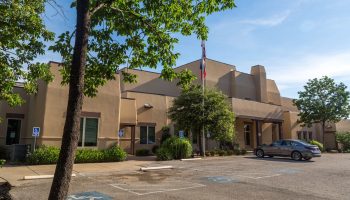
The Meadows Texas |
3800 County Road 444 Princeton, TX 75407 |
Detox Service Setting
Inpatient DetoxOutpatient DetoxMAT
|
Levels Of Care
InpatientPHPOutpatient+4
|
|
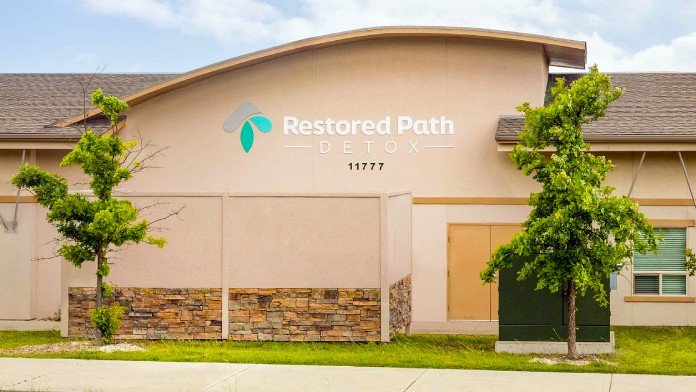
Restored Path Detox |
11777 Lebanon Rd Frisco, TX 75035 |
Detox Service Setting
Inpatient DetoxOutpatient Detox
|
Levels Of Care
InpatientOutpatient
|

|
Medical City Mental Health & Wellness Center – Frisco |
5680 Frisco Square Boulevard Frisco, TX 75034 |
Detox Service Setting
Inpatient Detox
|
Levels Of Care
InpatientAftercareDual Diagnosis+2
|

|
Prime Psychiatry & TMS Center |
11330 Legacy Drive Frisco, TX 75033 |
Detox Service Setting
Outpatient DetoxMAT
|
Levels Of Care
OutpatientDual Diagnosis
|

|
Elite Recovery Home |
906 17th St Plano, TX 75074 |
Detox Service Setting
Inpatient DetoxOutpatient Detox
|
Levels Of Care
InpatientOutpatient
|

|
Turning Point Recovery Plano |
1925 Edgewater Dr Plano, TX 75075 |
Detox Service Setting
Inpatient DetoxOutpatient Detox
|
Levels Of Care
InpatientOutpatient
|

|
VA North Texas Health Care System Plano VA Clinic |
3804 15th Street Plano, TX 75075 |
Detox Service Setting
Inpatient DetoxOutpatient Detox
|
Levels Of Care
InpatientOutpatientAftercare+2
|

|
Methodist Hospital Campus for Continuing Care |
401 W Campbell Rd Richardson, TX 75080 |
Detox Service Setting
Inpatient DetoxOutpatient Detox
|
Levels Of Care
InpatientOutpatient
|

|
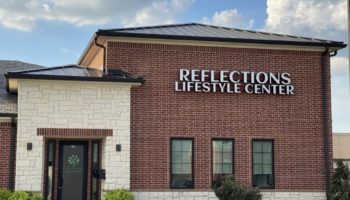
Reflections Lifestyle Center |
4901 Windhaven Parkway The Colony, TX 75056 |
Detox Service Setting
|
Levels Of Care
Intensive OutpatientOutpatientPHP+1
|
|
McKinney is the county seat of Collin County, one of the fastest-growing counties in Texas, with a population that has more than tripled over the past two decades. That growth has brought expanded healthcare infrastructure, but the region has also seen a sharp rise in substance use disorder and overdose deaths, particularly from fentanyl contaminating the local drug supply.
Anyone searching for detox programs in McKinney should understand how facilities are licensed and what local resources are available before making a decision.
All chemical dependency treatment facilities (CDTFs) operating in Texas must be licensed by the Texas Health and Human Services Commission (HHSC). HHSC handles licensing, inspections, compliance reviews, and enforcement under Texas Administrative Code Title 26, Chapter 564.
Additionally, narcotic treatment programs (NTPs), which include methadone clinics, are licensed separately by HHSC under Chapter 563. Faith-based programs that offer only non-medical, spiritual counseling are exempt from HHSC licensure but are prohibited from providing any medical withdrawal management or detoxification services.
At the county level, the Collin County Behavioral Health Division and the Coalition for Behavioral Health in Collin County both provide navigation services, mental health evaluations and referrals for people seeking substance use treatment.
Collin County residents of any income level are eligible for substance use evaluations through the Collin County Substance Abuse Program (CCSAP). For those who cannot access or afford private treatment, HHSC maintains a publicly funded treatment locator at hhs.texas.gov.
Governor Abbott’s “One Pill Kills” campaign, launched in 2021 and expanded in subsequent years, has focused on raising statewide awareness on counterfeit pills containing fentanyl.As well, the Collin County law enforcement has been vocal about the local toll of fentanyl poisoning deaths and continues to investigate supply chains.
Families in McKinney should be aware that many counterfeit pills sold locally are indistinguishable from legitimate prescription medication, making professional supervised detox a priority for anyone managing opioid or polysubstance dependence.
The cost of detox and addiction treatment in McKinney varies by level of care, length of stay and whether a program is private or publicly funded. Understanding the financial options available is often one of the first barriers families face. Reviewing how much detox costs can help you anticipate out-of-pocket expenses before calling a facility.
Treatment costs in McKinney are broadly consistent with statewide Texas averages, with some variation depending on facility type and amenities. Additionally, medical complexity, substance type and whether medication is required during withdrawal can all increase the total cost of care.
Texas requires private insurers to comply with the federal Mental Health Parity and Addiction Equity Act (MHPAEA), which mandates that coverage for substance use disorder treatment be comparable to coverage for other medical conditions. The Texas Department of Insurance (TDI) oversees compliance for plans regulated at the state level.
The Affordable Care Act further requires that substance use disorder treatment be covered as an essential health benefit in most individual and small-group plans.
The most commonly used private insurers in Collin County include:




Medicare covers medically necessary detox and substance use disorder treatment in McKinney for adults 65 and older and qualifying people with disabilities.
Part A covers inpatient detox when deemed medically necessary, with a $1,679 deductible in 2025 and up to 60 days of covered inpatient treatment. Part B covers outpatient care, partial hospitalization, and intensive outpatient programs, while Part D may cover MAT medications including naltrexone and disulfiram.
Note that residential treatment programs are not covered by Medicare, and Medicare Advantage plans may require prior authorization.
Texas Medicaid operates through the State of Texas Access Reform (STAR) managed care program. STAR members receive services through health plans assigned by location, and Collin County is covered by several participating plans.
Texas Medicaid covers multiple levels of SUD treatment, including outpatient services, residential programs (for eligible members) and medication-assisted treatment. Keep in mind that prior authorization is required for certain services.
To locate a Medicaid-participating treatment provider, use the HHSC treatment locator at hhs.texas.gov or call the SAMHSA National Helpline at 1-800-662-4357 (free, confidential, 24/7).
Veterans who receive VA benefits may qualify for detoxification programs and MAT through the VA North Texas Health Care System, which has locations accessible from McKinney.
Veterans who receive VA benefits may qualify for detoxification programs and MAT through the VA North Texas Health Care System, which has locations accessible from McKinney.
Three main regulatory bodies govern detox and SUD treatment in Texas:
The primary licensing authority for all CDTFs and NTPs in Texas. HHSC conducts facility inspections, investigates complaints and enforces compliance with Texas Administrative Code standards. You can verify a facility’s license status through the HHSC provider portal.
Regulates physicians and other qualified prescribers who provide medication-assisted treatment, including buprenorphine prescribing for opioid use disorder. Physicians prescribing buprenorphine must meet federal prescribing requirements in addition to TMB licensure.
Regulates pharmacies dispensing controlled substances used in MAT, including naltrexone and buprenorphine products.
Yes. MAT is available in the McKinney area through both outpatient and residential programs. The three FDA-approved medications used in MAT are:
Can be prescribed by qualified physicians and nurse practitioners in office-based settings. Widely available in Collin County.
For opioid use disorder treatment, methadone can only be dispensed through an HHSC-licensed NTP (methadone clinic). The nearest licensed NTPs are located in the greater Dallas area.
Available via injection or oral form, can be prescribed by a licensed physician or prescriber in any outpatient setting. No special clinic enrollment required.
Texas operates under a more restrictive harm reduction framework than many other states.
At this point, syringe service programs (SSPs) are illegal under Texas law, and fentanyl test strips were classified as drug paraphernalia under state law, creating legal barriers for grassroots harm reduction work.
Against that backdrop, the following organizations and programs provide the most accessible support for people in Collin County and the broader DFW area.
TODA is run by the Texas Department of State Health Services (DSHS) and provides the most comprehensive statewide tool for locating free naloxone. Communities and organizations can apply for free dispenser equipment through the program.
The Naloxone Locator Map shows the nearest sites offering free Narcan in and around Collin County.
The Texas Harm Reduction Alliance works across the state with people across the spectrum of drug use.
They provide education, supplies and connection to treatment resources, and actively work to reduce the legal and social barriers that make harm reduction difficult in Texas.
For people in McKinney who need immediate guidance on where to access care, detox or harm reduction services, SAMHSA’s helpline (1-800-662-HELP (4357)) connects callers to local resources without requiring insurance or personal information.
Collin County sits at the intersection of rapid population growth and a surge in synthetic opioid activity.
The numbers below reflect recent trends in the county and across Texas, underscoring the urgency of access to treatment for people with substance use disorders.
As of September 2022, Collin County had recorded a 571% increase in fentanyl-related overdose deaths over the preceding three years, according to Collin County Sheriff Jim Skinner.
DSHS data show that drug poisoning surpassed all other injury-related causes of death among Texans between the ages of 24 and 69 in 2023.
Texas DSHS data show that males have drug poisoning death rates more than twice as high as females, and non-Hispanic Black residents have the highest rates among racial and ethnic groups tracked.
Texas HHSC funds a network of contracted substance use treatment providers, and Collin County residents may qualify for state-funded services based on income and residency. Start by contacting the Collin County Behavioral Health Division or calling the SAMHSA helpline (1-800-662-4357) to be connected with a local Outreach, Screening, Assessment, and Referral (OSAR) coordinator who can navigate available funding and intake options.
Yes. Texas Medicaid through the STAR program covers a range of SUD treatment services, including outpatient programs, medication-assisted treatment, and some residential services for eligible members. Coverage specifics depend on your assigned health plan and whether prior authorization is required. Contact your STAR plan directly or call HHSC at 2-1-1 to confirm which services are available and which providers in Collin County are in-network.
Fentanyl test strips are classified as drug paraphernalia under Texas law, making personal possession potentially illegal depending on the jurisdiction and circumstances. This creates a significant barrier to overdose prevention in the McKinney area compared to states with legal protections for test strips. Residents can learn more about overdose risk and how synthetic opioids contaminate the drug supply through resources like fentanyl detox and addiction information on Detox.com.
Inpatient detox provides 24-hour medical supervision in a residential facility, which is recommended for people with alcohol use disorder, benzodiazepine dependence, or severe polysubstance use because withdrawal from these substances can be life-threatening. Outpatient detox programs allow a person to live at home and attend scheduled appointments for monitoring and medication management, and are generally appropriate for lower-severity presentations with a stable home environment and strong support system.
Yes. buprenorphine (Suboxone) can be prescribed by a qualified physician or nurse practitioner in office-based settings throughout the McKinney area, and naltrexone (Vivitrol) is available through outpatient providers. Methadone treatment for opioid use disorder requires enrollment in a licensed narcotic treatment program; the nearest clinics are located in the Dallas metro. Collin County MH/MR Center accepts clients for MAT and also treats co-occurring mental health conditions alongside substance use disorders.
Look for facilities licensed by Texas HHSC as a CDTF or NTP, depending on the level of care needed. Accreditation from The Joint Commission or CARF is a reliable quality signal. Ask whether the facility offers medically supervised withdrawal management, MAT, and a transition plan to ongoing treatment after detox. Detox alone is not treatment, and a facility’s plan for what happens after the acute withdrawal phase matters as much as the detox protocol itself.