

 512-298-6438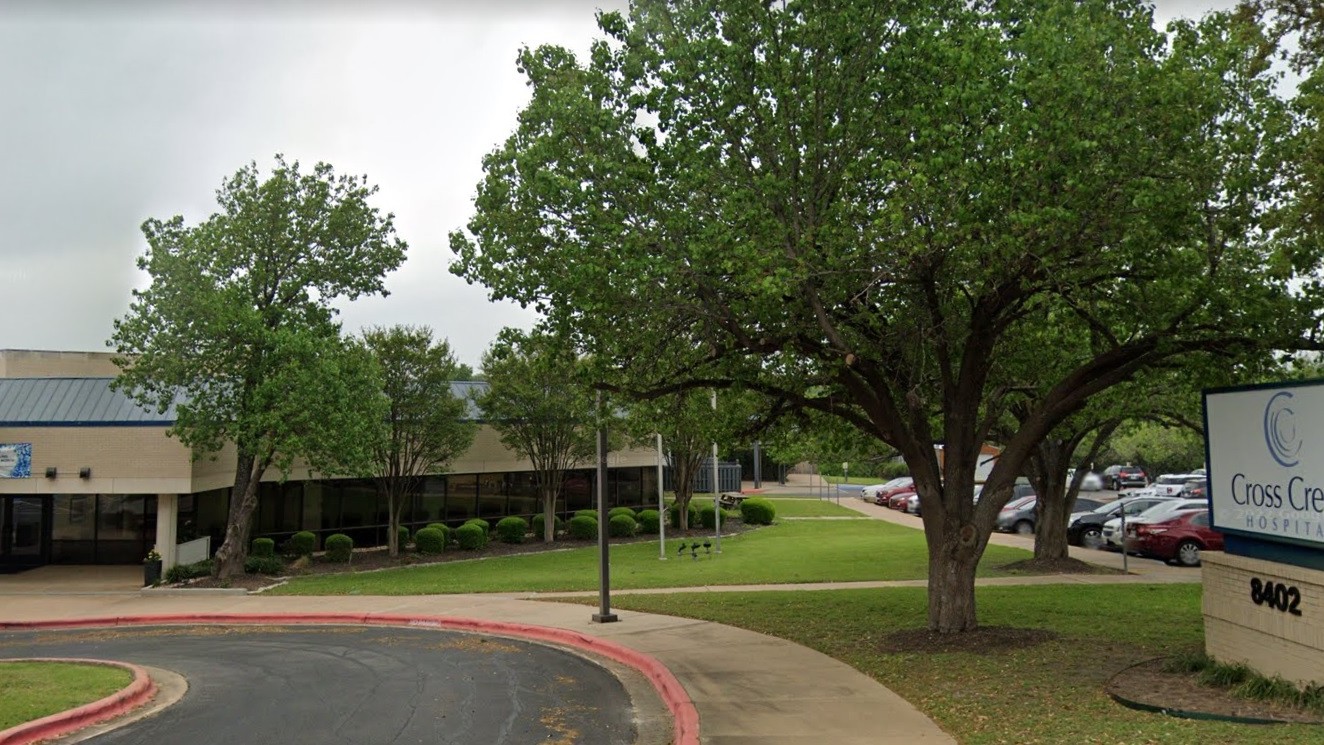
Cross Creek Hospital
Austin, TX
78754

| Name | Address | Detox Service Setting | Levels Of Care | Media |
|---|---|---|---|---|
Greenhouse Treatment Center |
1171 107th Street Grand Prairie, TX 75050 |
Detox Service Setting
Inpatient DetoxOutpatient DetoxMAT
|
Levels Of Care
InpatientPHPOutpatient+3
|

|
MAT Texas Opioid Treatment Center |
2100 N Hwy 360 Grand Prairie, TX 75050 |
Detox Service Setting
Inpatient DetoxOutpatient Detox
|
Levels Of Care
InpatientOutpatient
|
|
CleanSlate Outpatient Addiction Medicine |
2912 Kraft Street Arlington, TX 76010 |
Detox Service Setting
Inpatient DetoxOutpatient DetoxMAT
|
Levels Of Care
InpatientOutpatient
|

|
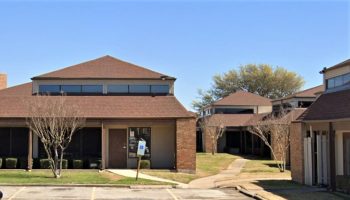
Chemical Dependency Health Services CDHS |
214 Billings Street Arlington, TX 76010 |
Detox Service Setting
Outpatient Detox
|
Levels Of Care
OutpatientAftercare
|
|
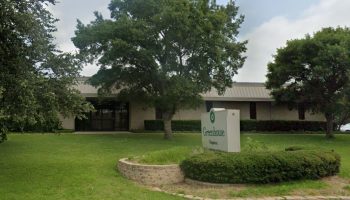
Greenhouse Outpatient Treatment Facility |
2301 Avenue J Arlington, TX 76006 |
Detox Service Setting
Inpatient DetoxOutpatient DetoxMAT
|
Levels Of Care
InpatientOutpatientAftercare+3
|
|
Sunshine Care Centers |
1900 Ballpark Way Arlington, TX 76006 |
Detox Service Setting
Inpatient DetoxOutpatient Detox
|
Levels Of Care
InpatientOutpatient
|

|
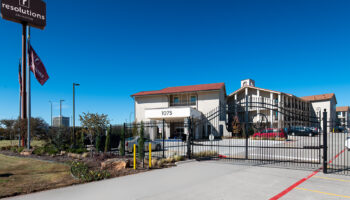
Resolutions Arlington |
1075 Wet N Wild Way Arlington, TX 76006 |
Detox Service Setting
Inpatient DetoxOutpatient Detox
|
Levels Of Care
InpatientOutpatientSober Living+1
|
|
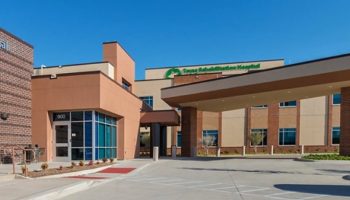
Texas Rehabilitation Hospital of Arlington |
900 West Arbrook Boulevard Arlington, TX 76015 |
Detox Service Setting
Inpatient DetoxOutpatient Detox
|
Levels Of Care
InpatientOutpatient
|
|
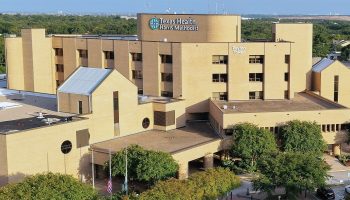
Texas Health Harris Methodist Hurst Euless Bedford |
1600 Hospital Parkway Bedford, TX 76022 |
Detox Service Setting
Inpatient DetoxOutpatient Detox
|
Levels Of Care
InpatientOutpatientAftercare+1
|
|
Polk Street VA Clinic |
4243 South Polk Street Dallas, TX 75224 |
Detox Service Setting
Inpatient DetoxOutpatient DetoxMAT
|
Levels Of Care
InpatientOutpatientAftercare+3
|

|
Couches Drug Rehab Center |
4315 Woodstock Dr Dallas, TX 75232 |
Detox Service Setting
Inpatient DetoxOutpatient Detox
|
Levels Of Care
InpatientOutpatient
|
|
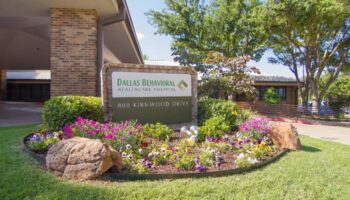
Dallas Behavioral Healthcare Hospital |
800 Kirnwood Drive Desoto, TX 75115 |
Detox Service Setting
Inpatient DetoxOutpatient DetoxHospital Detox
|
Levels Of Care
InpatientOutpatientPHP+2
|
|
West Texas Counseling and Rehabilitation Program Dallas |
1808 Market Center Boulevard Dallas, TX 75207 |
Detox Service Setting
Outpatient Detox
|
Levels Of Care
Outpatient
|
|
Mantra Recovery |
1509 Main St Dallas, TX 75201 |
Detox Service Setting
Inpatient DetoxOutpatient Detox
|
Levels Of Care
InpatientOutpatient
|

|
Metrocare Lancaster-Kiest Adult Mental Health Clinic & Pharmacy |
3330 South Lancaster Road Dallas, TX 75216 |
Detox Service Setting
Inpatient DetoxOutpatient Detox
|
Levels Of Care
Outpatient
|
|
Grand Prairie sits at the geographic heart of the Dallas-Fort Worth metroplex, straddling Dallas and Tarrant Counties along the IH-30 corridor between Dallas and Arlington. That central position gives residents access to one of the largest behavioral health treatment networks in Texas, with options ranging from private inpatient programs to publicly funded safety-net providers that serve people regardless of their ability to pay. All detox and chemical dependency treatment programs serving the city are licensed by the Texas Health and Human Services Commission (HHSC) under Chapter 464 of the Health and Safety Code.
State-funded detox beds across the Dallas metro are limited, and safety-net facilities generally fill on a first-come, first-served basis. Understanding how to choose a detox center before a crisis, including the level of medical supervision you need and the funding pathways available to you, can shorten the time it takes to get into care.
For people without private insurance, the North Texas Behavioral Health Authority (NTBHA) is the main access point. As the state-designated Local Behavioral Health Authority for Dallas and several surrounding counties, NTBHA manages public funding for low-income and uninsured residents and operates a 24/7 crisis line. Grand Prairie residents can contact NTBHA’s Outreach, Screening, Assessment and Referral (OSAR) team to be screened for publicly funded detox and residential treatment.
The cost of detox in Grand Prairie varies with the level of medical supervision, length of stay, and whether a facility accepts public funding or operates on a private-pay basis. Getting a sense of how much detox costs before you call a facility helps you ask the right questions about what your coverage actually includes.
Detox costs in Texas track close to national averages, with wide variation by setting and intensity. A short stay at a community-funded nonprofit looks very different from a private residential program. The figures below are full cash-pay (self-pay) totals before insurance, Medicaid, Medicare, or other assistance; most people with coverage pay significantly less out of pocket.
Medicare Part A covers inpatient hospital detox and Part B covers outpatient treatment, including office-based buprenorphine and naltrexone, as well as Opioid Treatment Program services for methadone. Copays and deductibles depend on the setting and plan.
Texas Medicaid operates through the STAR managed care program, which covers behavioral health and substance use disorder treatment, including medical detox and MAT, for eligible low-income adults, pregnant women, and families. Residents can check eligibility and find in-network providers through Texas Health and Human Services.
Cost should not stand between someone in Grand Prairie and detox care. Several options can reduce or eliminate out-of-pocket costs:

The North Texas Behavioral Health Authority manages state and county public funding for qualifying indigent residents in Dallas County. Its OSAR team screens applicants and connects them to funded treatment slots. Crisis line: (866) 260-8000.
Homeward Bound is a Texas nonprofit behavioral health agency providing medical detox and inpatient treatment to adults regardless of ability to pay, operating on state grant funding and serving people with co-occurring disorders.
Multiple outpatient and residential providers in the DFW area, including Recovery Resource Council locations, use a sliding fee discount schedule tied to income.
Eligible veterans can access medically managed detox, residential rehab, and MAT through the Dallas VA Medical Center’s substance use disorder programs at no cost.
Grand Prairie’s detox facilities operate under a multi-layered framework of state licensing, federal drug-control regulation, and local public health coordination. The main bodies overseeing detox and substance use disorder treatment for Grand Prairie residents include:
The state licensing authority for all Chemical Dependency Treatment Facilities in Texas. Under Health and Safety Code Chapter 464 and Title 26, Chapter 564 of the Texas Administrative Code, HHSC sets clinical and safety standards, conducts inspections, and enforces compliance. Any facility offering medical detox must designate a licensed Medical Director and operate under HHSC-approved protocols. See hhs.texas.gov.
The HHSC-designated Local Behavioral Health Authority for Dallas County, which includes Grand Prairie. NTBHA does not issue facility licenses, but it manages the distribution of state and county behavioral health funding to contracted providers and operates the regional OSAR team for uninsured residents. See ntbha.org.
DCHHS tracks overdose epidemiology across Dallas County, coordinates public health harm reduction initiatives, manages the county’s Overdose Prevention Hotline, and distributes naloxone to community organizations and businesses. Its data and strategies shape how local providers prioritize services. See dallascounty.org.
Federal oversight of opioid treatment programs is shared between the Drug Enforcement Administration (DEA) and SAMHSA. Any facility dispensing methadone for opioid use disorder must hold both a DEA registration and SAMHSA certification as an Opioid Treatment Program under 42 CFR Part 8.
Medication-assisted treatment in Grand Prairie follows Texas HHSC and federal rules that require MAT providers to pair medication with behavioral counseling. All three major FDA-approved medications are available across the Dallas-Fort Worth market.
Widely accessible across the Dallas-Fort Worth metro. Certified physicians can prescribe buprenorphine, including Suboxone, in standard outpatient clinics, federally qualified health centers, and via telehealth, removing the barrier of daily clinic visits for people stabilizing after detox.
Restricted to SAMHSA-certified and DEA-registered Opioid Treatment Programs. Patients visit the OTP clinic daily for observed dosing until they earn take-home privileges. MAT Texas in Grand Prairie is one local OTP providing methadone alongside outpatient services.
Non-addictive and requiring no special licensing to prescribe. Available as daily oral tablets or the monthly injectable Vivitrol formulation, and commonly used in diversion programs and post-detox treatment given its lack of abuse potential.
Grand Prairie sits within Dallas County’s harm reduction network, which has expanded since 2023 with federal Overdose Data to Action funding and stronger regional coordination. Fentanyl contamination across the local drug supply makes overdose reversal medication essential for anyone who uses drugs or has a family member who does.
Given fentanyl’s growing role in overdose deaths across Dallas County, understanding fentanyl overdose risks is an important part of harm reduction locally. The resources below serve Grand Prairie directly or through county-level programs open to all Dallas County residents.
DCHHS operates a dedicated overdose prevention line staffed by bilingual operators who provide nonjudgmental support, discuss treatment options, and issue direct referrals to detox and treatment programs. The department also provides free naloxone kits to organizations throughout Dallas County after a brief training. Hotline: (214) 590-4000.
A statewide initiative administered by UT Health San Antonio and funded through the Texas Opioid Abatement Fund. Grand Prairie residents can order naloxone online and have it shipped directly to their home at no cost, without visiting a clinic.
Serving North Texas since 1946 and holding Joint Commission accreditation, the Council serves more than 80,000 people annually across dozens of counties. It accepts Medicaid, uses a sliding fee scale for uninsured patients, and distributes naloxone through its treatment programs.
NTBHA’s Mobile Crisis Hotline is staffed around the clock and provides a no-wrong-door entry point for anyone experiencing a mental health or substance use crisis in the Dallas County service area, connecting callers directly to funded treatment regardless of ability to pay. Hotline: (866) 260-8000.
Dallas County, which includes Grand Prairie, has seen a meaningful decline in overdose fatalities since 2023, though fentanyl remains the leading cause of drug deaths in the region and stimulant involvement keeps rising. The figures below reflect Dallas County, the primary public health jurisdiction for Grand Prairie residents.
Dallas County recorded 558 total drug overdose deaths in 2024, down from 628 in 2023, with fentanyl the primary cause and stimulants contributing significantly to overall mortality. Source: Dallas County Health and Human Services.
Fentanyl-related deaths in Dallas County dropped from 282 in 2023 to roughly 140 by November 2024, a decline of more than 50 percent, credited to expanded naloxone access, opioid response teams, and peer navigator programs. Source: Dallas County District Attorney.
Statewide, Texas drug poisoning deaths rose 68 percent between 2019 and 2024, and in 2023 drug poisoning was the leading cause of injury-related death for Texans aged 24 to 69. Source: Texas Department of State Health Services.
Contact the North Texas Behavioral Health Authority (NTBHA) OSAR team, which screens uninsured and underinsured residents for publicly funded treatment slots in Dallas County, at (800) 241-8716. State-funded inpatient detox beds at safety-net providers like Homeward Bound generally fill on a first-come, first-served basis, so early contact matters.
Yes. The Dallas-Fort Worth metro has multiple outpatient detox programs, including MAT-based programs and intensive outpatient schedules that let people keep working or caring for family while receiving clinical care. MAT Texas in Grand Prairie focuses specifically on outpatient methadone and buprenorphine programs.
Texas’s Good Samaritan protection, established under the Jessica Sosa Act (HB 1694), provides a defense to prosecution for people who call 911 during a possible overdose. It has limitations and does not apply to everyone, so the safest course is to call 911 first and not delay based on legal concerns.
Dallas County Health and Human Services provides free naloxone kits to businesses and community organizations after a brief training. Any Grand Prairie resident can also order naloxone shipped directly to their home for free through Naloxone Texas at naloxonetexas.com, and most area pharmacies carry it over the counter.
Yes. The Dallas VA Medical Center provides comprehensive substance use treatment for eligible veterans, including medically managed detox, residential rehabilitation, and MAT, at no cost. Grand Prairie’s central location gives veterans relatively easy access to VA facilities in both the Dallas and Fort Worth service areas, and Recovery Resource Council also offers veterans programming.


Cary has more than three decades of nursing expertise as an LPN and holds a bachelor’s degree in Liberal Arts. She is also working toward a Master’s degree focused on public health policy. Her professional journey has been dedicated to addressing healthcare disparities for both adults and children.