512-298-6438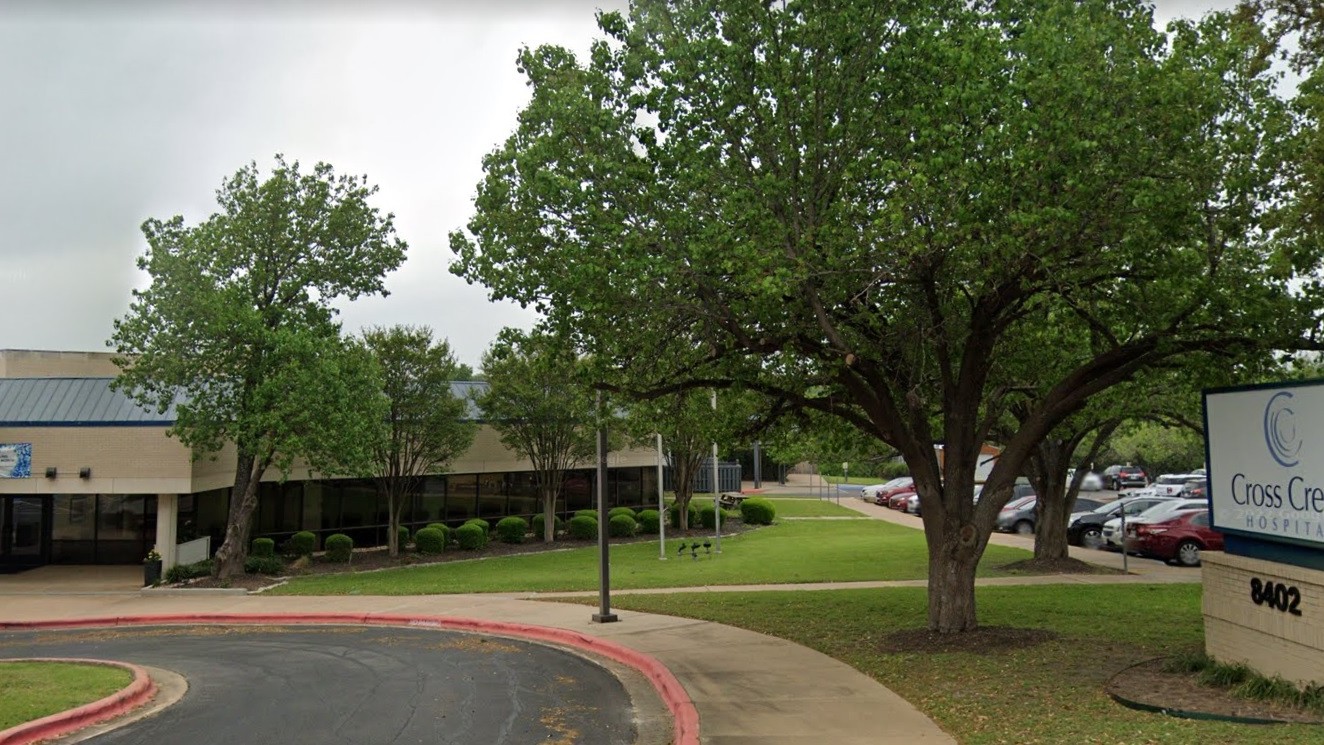
Cross Creek Hospital
Austin, TX
78754
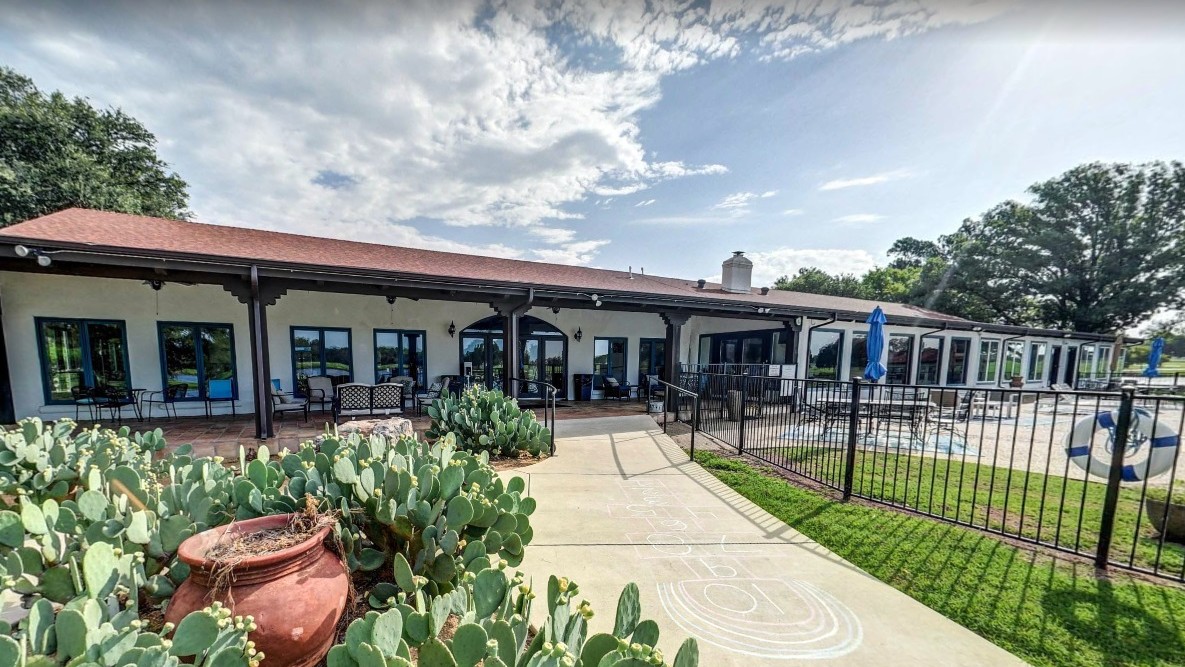

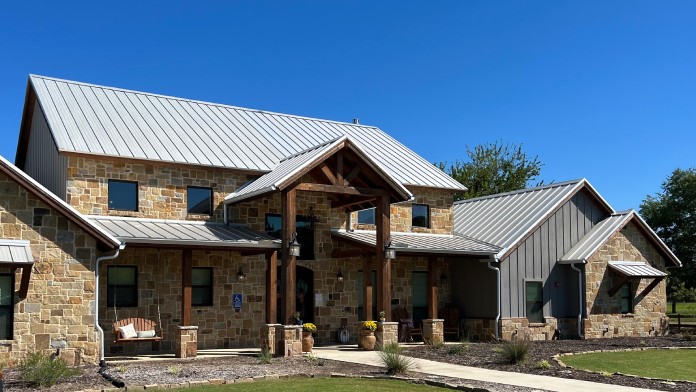
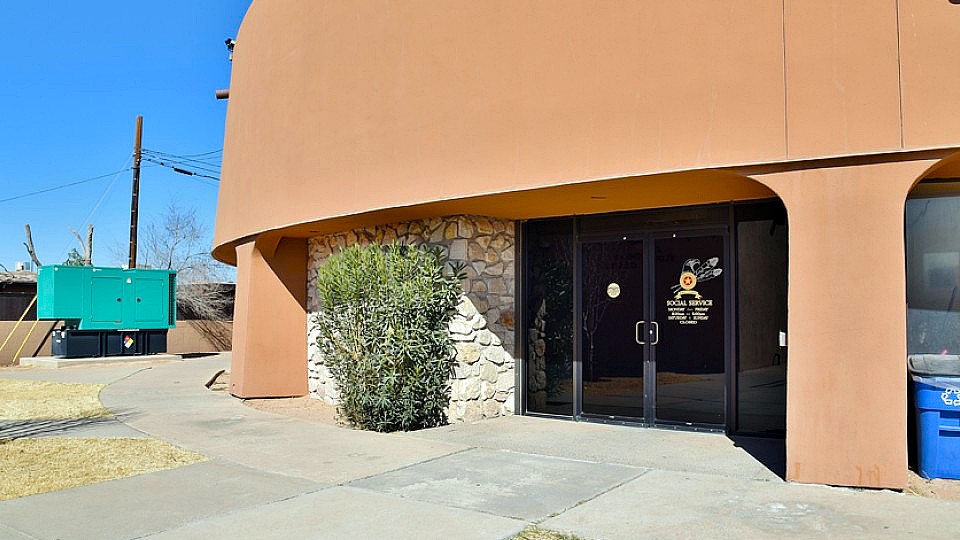
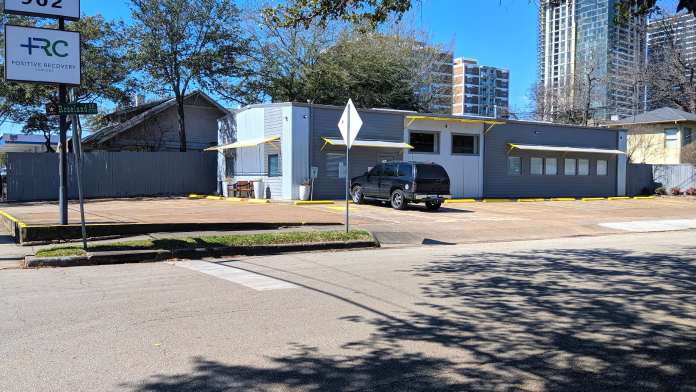
| Name | Address | Detox Service Setting | Levels Of Care | Media |
|---|---|---|---|---|
Medical City Mental Health & Wellness Center – Frisco |
5680 Frisco Square Boulevard Frisco, TX 75034 |
Detox Service Setting
Inpatient Detox
|
Levels Of Care
InpatientAftercareDual Diagnosis+2
|
|
Prime Psychiatry & TMS Center |
11330 Legacy Drive Frisco, TX 75033 |
Detox Service Setting
Outpatient DetoxMAT
|
Levels Of Care
OutpatientDual Diagnosis
|

|
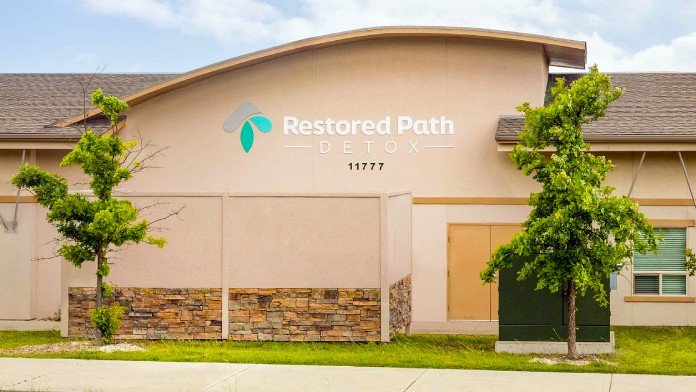
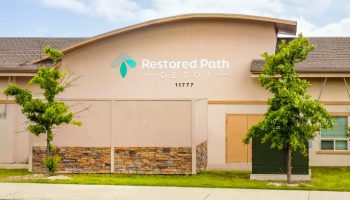
Restored Path Detox |
11777 Lebanon Rd Frisco, TX 75035 |
Detox Service Setting
Inpatient DetoxOutpatient Detox
|
Levels Of Care
InpatientOutpatient
|
|
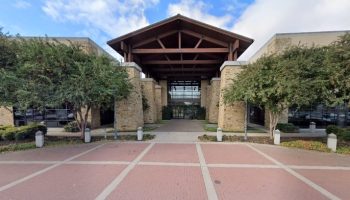
Arise Recovery Centers McKinney |
6850 TPC Dr Plano, TX 75070 |
Detox Service Setting
Inpatient DetoxOutpatient Detox
|
Levels Of Care
InpatientOutpatient
|
|
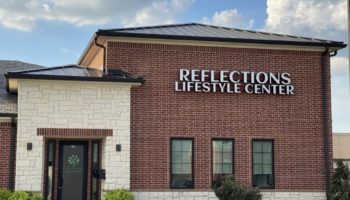
Reflections Lifestyle Center |
4901 Windhaven Parkway The Colony, TX 75056 |
Detox Service Setting
|
Levels Of Care
Intensive OutpatientOutpatientPHP+1
|
|
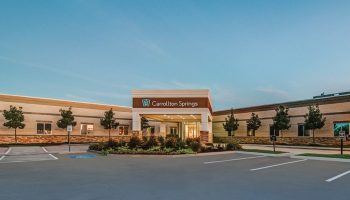
Carrollton Springs |
2225 Parker Road Carrollton, TX 75010 |
Detox Service Setting
Inpatient DetoxOutpatient Detox
|
Levels Of Care
InpatientOutpatientAftercare+1
|
|
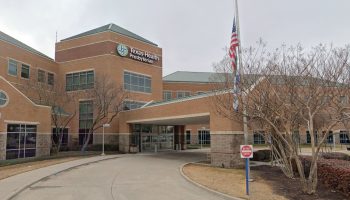
Texas Health Presbyterian Hospital Allen |
1105 Central Expressway Allen, TX 75013 |
Detox Service Setting
Inpatient DetoxOutpatient Detox
|
Levels Of Care
InpatientOutpatientAftercare+1
|
|
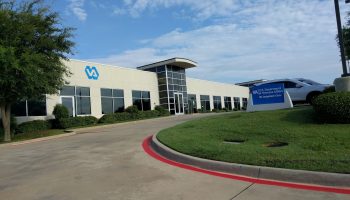
VA North Texas Health Care System Plano VA Clinic |
3804 15th Street Plano, TX 75075 |
Detox Service Setting
Inpatient DetoxOutpatient Detox
|
Levels Of Care
InpatientOutpatientAftercare+2
|
|
Elevated Sober Living |
3404 Ticonderoga McKinney, TX 75070 |
Detox Service Setting
Inpatient DetoxOutpatient Detox
|
Levels Of Care
InpatientOutpatient
|

|
Turning Point Recovery Plano |
1925 Edgewater Dr Plano, TX 75075 |
Detox Service Setting
Inpatient DetoxOutpatient Detox
|
Levels Of Care
InpatientOutpatient
|
|
Elite Recovery Home |
906 17th St Plano, TX 75074 |
Detox Service Setting
Inpatient DetoxOutpatient Detox
|
Levels Of Care
InpatientOutpatient
|

|
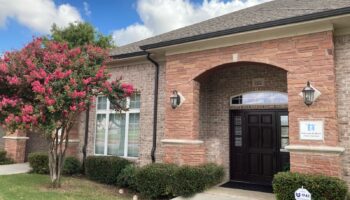
BHFS Medical and Behavioral Services |
860 Hebron Parkway Lewisville, TX 75057 |
Detox Service Setting
Outpatient DetoxMAT
|
Levels Of Care
PHPOutpatientAftercare+2
|
|
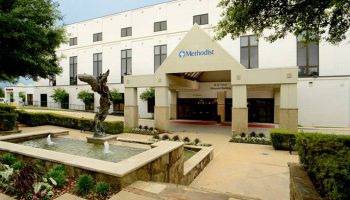
Methodist Hospital Campus for Continuing Care |
401 W Campbell Rd Richardson, TX 75080 |
Detox Service Setting
Inpatient DetoxOutpatient Detox
|
Levels Of Care
InpatientOutpatient
|
|
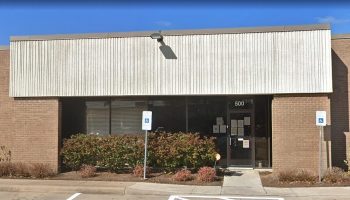
Anchor of Hope Opioid Treatment Program |
2307 Springlake Road Dallas, TX 75234 |
Detox Service Setting
Outpatient Detox
|
Levels Of Care
Outpatient
|
|
Real Deal Northeast Dallas Sober Living |
10219 Sunridge Trail Dallas, TX 75243 |
Detox Service Setting
Inpatient DetoxOutpatient Detox
|
Levels Of Care
InpatientOutpatient
|

|
Frisco is one of the fastest-growing cities in the United States, situated in Collin County in the northern Dallas-Fort Worth Metroplex. That rapid growth has brought a corresponding rise in demand for drug and alcohol detox services, and the county’s behavioral health infrastructure has been working to keep pace.
One important Frisco-area development: the City of McKinney directed $100,000 in opioid settlement funds to GraceToChange, a Collin County nonprofit providing outpatient SUD treatment, reflecting a broader regional effort to deploy Texas opioid settlement dollars toward community-level recovery infrastructure.
As well, Frisco residents without insurance should also be aware of the Collin County Substance Abuse Program, a county-funded service that provides free evaluations for adolescents and low-cost assessments for adults, along with referrals to treatment providers.
Detox and chemical dependency treatment facilities in Frisco operate under licenses issued by the Texas Health and Human Services Commission (HHSC), which regulates Chemical Dependency Treatment Facilities (CDTFs) under Texas Health and Safety Code Chapter 464 and detox-specific standards under 26 TAC Section 564.902. Narcotic Treatment Programs providing methadone are separately licensed by HHSC under Health and Safety Code Chapter 466.
The local public behavioral health authority for Collin County is LifePath Systems (formerly Collin County MHMR), which serves as the county’s designated Local Mental Health and Substance Abuse Authority. LifePath Systems provides outpatient SUD assessments, intensive outpatient services and MAT coordination on a sliding fee scale for residents who qualify.
For those who need a starting point to find the right level of care, choosing the right detox center involves weighing medical complexity, insurance and whether residential or outpatient care is appropriate.
Understanding the true cost of detox in Frisco before you make a call can help you prepare for a faster, less stressful admission process.
The full price of detox depends on the level of medical care needed, length of stay and the type of facility, but multiple payment pathways exist for residents at every income level.
Detox costs in Frisco track closely with Dallas-Fort Worth regional pricing, which varies significantly by level of care and clinical intensity. For example, alcohol and benzodiazepine cases that require close medical monitoring are more expensive than stimulant-related detox.
Additionally, the length of stay also matters: a typical medical detox stay runs four to seven days, while residential programs may be 30 days or longer.
Under the Affordable Care Act, private insurance plans are required to cover substance use disorder treatment at parity with other medical benefits. The Texas Department of Insurance oversees compliance for plans sold in-state.
Residents can verify in-network providers and benefit details through their insurer’s online portal or by calling member services directly.
The most common commercial insurance carriers in the Frisco and Collin County market include:


Medicare covers inpatient and outpatient drug and alcohol detox for eligible Frisco residents. Part A covers inpatient detox, and Part B covers Opioid Treatment Program services, including methadone, buprenorphine and naltrexone. Keep in mind that copays and deductibles vary based on the treatment setting and the specific plan.
Texas Medicaid, delivered through the State of Texas Access Reform (STAR) managed care program, covers detox and inpatient, residential and outpatient substance use disorder treatment for eligible low-income residents.
Collin County falls within the Dallas service area for STAR MCOs. Eligible residents access benefits through participating managed care organizations, including UnitedHealthcare Community Plan and Molina Healthcare.
Do not let cost be a reason for avoiding detox in Frisco. Several alternative funding options are available to Collin County residents:

LifePath Systems, the county’s Local Behavioral Health Authority, provides outpatient SUD services on a sliding fee scale tied to income and family size, making care accessible for uninsured or underinsured residents.
The Collin County Substance Abuse Program provides free substance misuse evaluations for adolescents and low-cost assessments for adults, with referrals to county-funded treatment placement when applicable. Call 972-548-5570 to schedule.
GraceToChange, a Collin County nonprofit in McKinney, provides outpatient SUD treatment and received $100,000 in municipal opioid settlement funding in 2024. The Salvation Army Adult Rehabilitation Center in nearby Dallas also offers longer-term recovery support regardless of ability to pay.
Collin County operates the VALOR program, a Texas Veteran Rehabilitation Substance Abuse Treatment Program for justice-involved veterans facing probation or incarceration, run in partnership with the Collin County Veterans Treatment Court. Eligible veterans may also access substance use treatment through the VA North Texas Health Care System.
Texas is directing hundreds of millions of dollars from national opioid settlement agreements toward community treatment and harm reduction. Frisco-area residents can ask providers about programs funded through these awards, which are disbursed by county and municipal governments across Collin County.
Several key regulatory and accreditation bodies oversee detox and withdrawal management services in Frisco and Collin County:
The primary state licensing authority for Chemical Dependency Treatment Facilities (CDTFs) in Texas. Under Texas Health and Safety Code Chapter 464 and 26 TAC Chapter 564, HHSC issues licenses, sets minimum clinical and staffing standards and conducts on-site compliance inspections for all licensed detox and SUD treatment programs, including those in Frisco.
A separate HHSC licensing pathway governs certified Opioid Treatment Programs (OTPs) that dispense methadone for opioid use disorder. Under Health and Safety Code Chapter 466 and 26 TAC Chapter 563, OTPs must obtain an NTP license in addition to any CDTF license. HHSC maintains a confidential central registry of OTP patients to prevent duplicate enrollment across clinics.
The state-designated Local Mental Health Authority and Local Behavioral Health Authority for Collin County. LifePath Systems is accredited by CARF International and coordinates access to publicly funded SUD treatment for county residents who qualify for state-funded assistance. It serves as the primary point of accountability for publicly funded behavioral health services in the county.
TDI regulates private insurance carriers operating in Texas, including oversight of behavioral health parity compliance under state and federal law. Frisco residents with coverage disputes related to SUD treatment or detox can file complaints directly with TDI.
Medication-assisted treatment for opioid and alcohol use disorder in Frisco is governed by a combination of federal DEA regulations, SAMHSA’s OTP rules under 42 CFR Part 8 and HHSC state licensing standards. Furthermore, Texas requires MAT providers to be either licensed CDTFs or NTPs, depending on the medications used.
Widely available in Frisco through office-based prescribers and outpatient clinics. Buprenorphine can be initiated by any DEA-licensed prescriber, and telehealth initiation is available for qualifying patients, making it one of the most accessible MAT options in the county for people beginning detox from opioids.
Restricted to certified Opioid Treatment Programs; it cannot be obtained at a standard pharmacy for OUD treatment. Daily attendance for dosing can be a logistical barrier for working residents in Frisco, though take-home dose flexibilities introduced during the COVID-19 pandemic have been extended through federal rule changes effective 2024.
Available without special licensing requirements and can be prescribed by any licensed physician, nurse practitioner, or physician assistant. The injectable form (Vivitrol) is widely used post-detox to prevent relapse from opioid or alcohol use disorder and is covered by Texas Medicaid STAR plans.
Collin County’s overdose prevention infrastructure is growing to meet the scale of the fentanyl crisis.
Because Texas state law does not currently authorize syringe service programs, local harm reduction in the Frisco area focuses heavily on naloxone distribution, overdose education and connecting people to clinical care.
As a response, multiple organizations active in the DFW region provide free fentanyl overdose reversal medication and education to residents throughout North Texas, including those in Collin County.
Funded by HHSC and the Texas legislature, Naloxone Texas ships free naloxone directly to individuals, community groups and organizations across the state. Frisco-area residents and recovery organizations can request naloxone through the online portal.
As of 2024, the program has significantly improved shipping speed and volume following restructuring by HHSC.
TODA is the Texas DSHS program responsible for overdose surveillance and prevention across the state, including Collin County.
Their Naloxone Locator Map helps Frisco-area residents find the nearest naloxone distribution site. Communities can also apply to host free naloxone vending machines through the TODA container application program.
Operated by Collin County government, this program provides a critical front-door entry point for families dealing with active substance use disorders. The program tracks local fentanyl trends and works to connect uninsured residents with funded treatment options throughout the county.
Collin County has seen some of the most dramatic increases in fentanyl-related deaths of any county in Texas, underscoring the urgency of accessing supervised medical detox rather than attempting withdrawal without professional support.
The Collin County Medical Examiner documented a 1,032% increase in fatal fentanyl poisonings in the county between 2018 and 2022.
Drug poisoning deaths in Texas increased by more than 98% between 2018 and 2023, according to DSHS injury prevention data.
Texas EMS agencies responded to 13,314 non-fatal opioid-involved drug poisonings in 2023, up from 5,020 in 2019, a 165% increase in four years.
LifePath Systems, also known as Collin County MHMR, is the state-designated Local Behavioral Health Authority for Collin County. They provide outpatient SUD assessments, MAT coordination and treatment referrals on a sliding fee scale for qualifying residents.
Call 1-877-422-5939 for a screening or crisis assistance.
LifePath Systems offers publicly funded outpatient services for income-qualifying residents. The Collin County Substance Abuse Program provides free evaluations for adolescents and low-cost assessments for adults, with referrals to county-funded treatment.
Additionally, GraceToChange in McKinney is a nonprofit outpatient option for adults, partially funded by opioid settlement dollars. These are the primary no-cost or reduced-cost access points in the area.
For people withdrawing from alcohol, benzodiazepines, or opioids with a complex medical history, inpatient medical detox provides 24-hour supervision that significantly reduces the risk of dangerous complications, including seizures.
Frisco offers both residential and outpatient options; the right level of care depends on substance, severity and co-occurring health conditions. A physician assessment is the safest starting point.
VALOR is Collin County’s Texas Veteran Rehabilitation Substance Abuse Treatment Program, designed for justice-involved veterans facing probation revocations or incarceration.
It operates in partnership with the Collin County Veterans Treatment Court and the Sheriff’s Office. Veterans do not need to be referred through a Veterans Treatment Court; the program accepts eligible Texas veterans who meet minimum criteria.
Yes. Texas law allows naloxone to be dispensed without a prescription under a standing order.
Free naloxone is available through Naloxone Texas (naloxonetexas.org), which ships it directly statewide, and through the DSHS Naloxone Locator Map at dshs.texas.gov.
DFW HARM also distributes naloxone at no cost across the region. Many Frisco-area pharmacies carry it over the counter for roughly $40 per two-dose box.
Detox clears the substance from the body but is not a treatment on its own. Most people need a structured aftercare plan to maintain recovery.
In Frisco, this may include residential treatment, intensive outpatient programming, ongoing MAT or peer recovery support. LifePath Systems can help coordinate transitions to ongoing care for residents who accessed publicly funded services.