602-428-0942
Tucson’s drug supply is heavily influenced by its proximity to the Arizona-Mexico border. Illicit fentanyl, frequently pressed into counterfeit pills, is cheap and widely available in the region. By 2025, methamphetamines had emerged as the primary driver of fatal overdoses in Pima County.
Drug and alcohol detox programs in Tucson operate under the licensing authority of the Arizona Department of Health Services (ADHS), specifically through its Division of Public Health Licensing and Bureau of Residential Facilities Licensing.
All detox and withdrawal management facilities in Arizona must hold an ADHS license, which requires medical staffing standards, documented withdrawal management protocols and regular compliance inspections. In the Tucson area, AHCCCS-contracted behavioral health plans, primarily Mercy Care Plan and Cenpatico, manage access to publicly funded treatment services for people covered by Arizona’s Medicaid program.
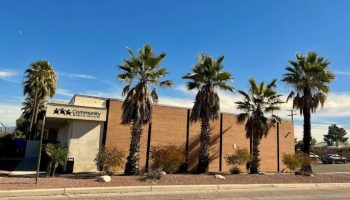
Two significant developments are reshaping how people access care in Tucson. In January 2026, Community Bridges, Inc. opened the Sobering Alternative for Recovery (SAFR) Center, a first-of-its-kind low-barrier facility funded by $1.8 million in Regional Opioid Settlement funds.
The SAFR Center operates 24 hours a day, seven days a week, with 15 beds and no insurance requirement. It provides clinical assessments, medications for opioid use disorder and referrals for longer-term treatment, which is a critical option for people who would otherwise cycle through emergency departments.
Also in 2024, Pima County and the City of Tucson entered a five-year intergovernmental agreement to pool opioid settlement funding, with priorities set by a Regional Opioid Settlement Advisory Council.
Anyone considering detox options in Tucson should be aware that medically supervised withdrawal management is especially important in this region, given the prevalence of mixed-substance use involving fentanyl and methamphetamine.