

 800-262-4205
Recovery In Motion Tucson

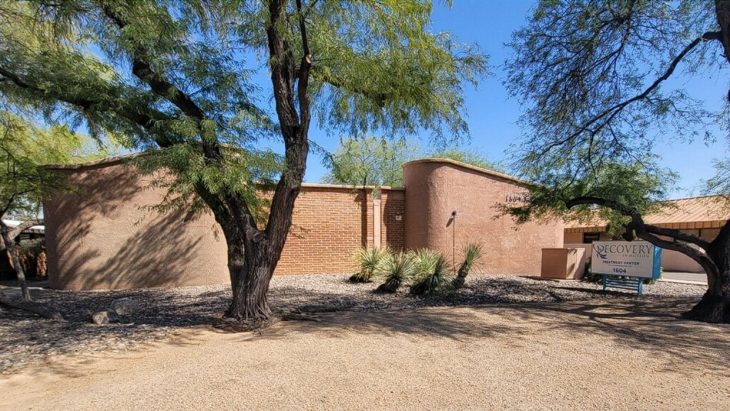
About Recovery In Motion Tucson
Known for its unique desert landscapes and diverse cultural scene, Tucson, Arizona, is home to Recovery in Motion Tucson. This treatment center provides substance abuse and co-occurring mental health disorder treatment for adults. You can access intensive (IOP) and standard outpatient care, including medication assisted treatment (MAT).
MAT in Motion
MAT provides a comprehensive approach with FDA-approved medications and behavioral therapies. This approach can help you manage withdrawal symptoms and cravings that can hinder recovery. You’ll also participate in proven therapeutic interventions to recognize and change the behaviors contributing to addiction for lasting recovery.
Native American Wellbriety Program
For me, their Native American Wellbriety Program really stood out. This track offers culturally appropriate addiction care for members of the Indigenous community. You can participate in a blended 12 Step approach with traditional teachings. They also include other traditional practices, including Medicine Wheels, smudging, and Talking Circles. You’ll benefit from an inviting space with clinicians and peers who understand and celebrate your culture.
Family Participation & More
Another great feature I noticed was their family participation program. They encourage your loved ones to heal alongside you. You and your family can learn more about addiction, mental health, and other challenges that can influence substance abuse. You’ll participate in recovery workshops, educational programs, and tailored sessions for your family’s needs.
I also think it’s great that they prioritized trauma informed approaches. They understand that past traumatic experiences can influence addiction and your receptiveness to treatment. They heal the root of your trauma so you can move forward in addiction recovery. You’ll benefit from personalized approaches and specialized trauma therapies such as eye movement desensitization and reprocessing.
| Levels of Care | Detox Service Setting | Programs | Payment Options | |||
|---|---|---|---|---|---|---|
|
Inpatient and residential programs provide round-the-clock medical and emotional support as you live at the treatment facility. This level of care may be recommended if you have severe addictions or mental health conditions since it removes outside distractions and allows you to focus solely on therapy. |
Days in the partial hospital program run high structure, blending mental health and substance use work with skills practice and close clinical monitoring throughout. |
Care is outpatient, and the intake assessment comes first. It is where a person’s needs are reviewed as the first step. |
Aftercare means relapse prevention planning, therapy that keeps going, alumni groups and community events. Alumni stay connected to the program after the main work ends. |
Substance use and mental health care happen together here, and at the same time as each other. |
An intervention is a structured and professionally guided conversation with an individual who is struggling with addiction. During the conversation, family and friends will encourage you to seek treatment. This is often a pivotal step for those resistant to getting help. |
Sober living homes provide a supportive and substance free environment for you to live in as you overcome your addiction. Residents must follow house rules and support each other’s recovery journeys. Sober living fosters accountability and stability during this critical phase of recovery. |
|
Medication assisted treatment is offered here, with Suboxone and Sublocade named as the medications involved in it. The program lists both by name. |
||||||
|
Recovery In Motion Tucson works with adults, and care is set up as coordinated treatment with a focus on stability. |
In individual sessions, a therapist uses cognitive behavioral therapy and motivational interviewing to link a trigger to the use. Groups add CBT and DBT skills practice. |
Men's programs address substance use while also considering the social pressures, family roles and mental health concerns that are specific to men. You’ll learn healthy coping mechanisms as you build emotional resilience and develop communication skills.
|
Women's programs offer a safe and supportive space to focus on gender specific issues such as trauma, family roles and mental health conditions. Therapists tailor the sessions to address women's needs and foster empowerment in a healing and nurturing environment.
|
|||
|
Private Insurance
|
Self Pay
|
Medicaid
|
Levels of Care
Inpatient and residential programs provide round-the-clock medical and emotional support as you live at the treatment facility. This level of care may be recommended if you have severe addictions or mental health conditions since it removes outside distractions and allows you to focus solely on therapy.
Days in the partial hospital program run high structure, blending mental health and substance use work with skills practice and close clinical monitoring throughout.
Care is outpatient, and the intake assessment comes first. It is where a person’s needs are reviewed as the first step.
Aftercare means relapse prevention planning, therapy that keeps going, alumni groups and community events. Alumni stay connected to the program after the main work ends.
Substance use and mental health care happen together here, and at the same time as each other.
An intervention is a structured and professionally guided conversation with an individual who is struggling with addiction. During the conversation, family and friends will encourage you to seek treatment. This is often a pivotal step for those resistant to getting help.
Sober living homes provide a supportive and substance free environment for you to live in as you overcome your addiction. Residents must follow house rules and support each other’s recovery journeys. Sober living fosters accountability and stability during this critical phase of recovery.
Detox Service Setting
Medication assisted treatment is offered here, with Suboxone and Sublocade named as the medications involved in it. The program lists both by name.
Programs
Recovery In Motion Tucson works with adults, and care is set up as coordinated treatment with a focus on stability.
In individual sessions, a therapist uses cognitive behavioral therapy and motivational interviewing to link a trigger to the use. Groups add CBT and DBT skills practice.
Amenities
Accreditations

Accepted Insurance
Contact



Mariah Bourne earned a Master of Arts in Community Social Psychology from the University of Massachusetts Lowell. She has worked as a research associate on addiction and treatment studies, including opioid craving interventions. Today, she is a freelance writer. She’s passionate about sharing knowledge and resources to help others start their recovery journey.

Peter W.Y. Lee is a historian with a focus in American Cold War culture. He has examined how popular culture has served as a coping mechanism for the challenges and changes impacting American society throughout the twentieth century.
Detox.com regularly reviews this listing for accuracy but changes may occur between updates. For the most up-to-date information, please contact Recovery In Motion Tucson.
Nearby Detox Centers


Search by Arizona Cities
FAQs
Does Recovery In Motion use Suboxone or Sublocade?
Suboxone and Sublocade are both named. They fall under medication assisted treatment, part of the integrated addiction and mental health care the program has offered since 2015.
What levels of care can someone get at Recovery In Motion Tucson?
The levels are partial hospitalization, intensive outpatient and standard outpatient. IOP works as a step down from PHP or as a starting point when it fits, and outpatient care starts at the intake assessment. Telehealth is available for eligible clients, aftercare keeps going, and substance use and mental health are treated together.
Can someone get medical detox here?
No. The program does not provide detox or withdrawal management, so this is not the place for that part of the process. Neither detox nor withdrawal management is offered here.
How structured are the days in partial hospitalization?
High structure is the idea. Days mix substance use work and mental health care with practice in new skills, and clinical staff keep a close watch throughout. The aim behind the structure is stabilization and routines that hold.
Which insurance plans are in network here?
AHCCCS, which is Arizona’s Medicaid program, is in network, along with Banner, Molina and Blue Cross Blue Shield plans. TRICARE and TriWest are named too, and all major PPOs are accepted with fast verification.