

 602-428-0942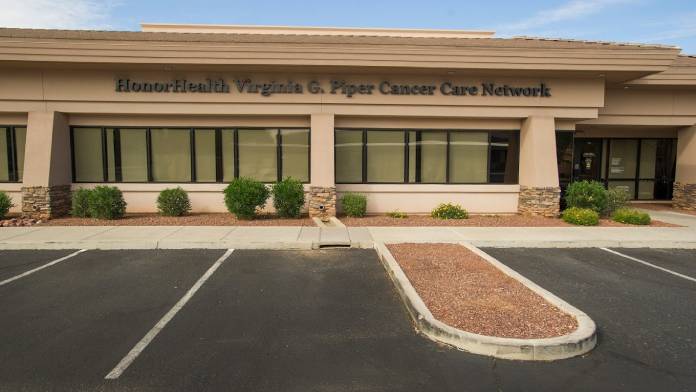
HonorHealth McDowell Road
Avondale, AZ
85392

| Name | Address | Detox Service Setting | Levels Of Care | Media |
|---|---|---|---|---|
Aurora Behavioral Health System Tempe |
6350 South Maple Avenue Tempe, AZ 85283 |
Detox Service Setting
Inpatient DetoxOutpatient Detox
|
Levels Of Care
InpatientOutpatientPHP+1
|

|
BHG—Tempe Treatment Center |
2123 East Southern Avenue Tempe, AZ 85282 |
Detox Service Setting
Outpatient Detox
|
Levels Of Care
OutpatientDual Diagnosis
|
|
Open Heart Family Wellness – Tempe |
3280 S Country Club Way Tempe, AZ 85282 |
Detox Service Setting
Inpatient DetoxOutpatient Detox
|
Levels Of Care
InpatientOutpatient
|
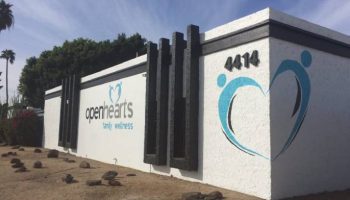
|
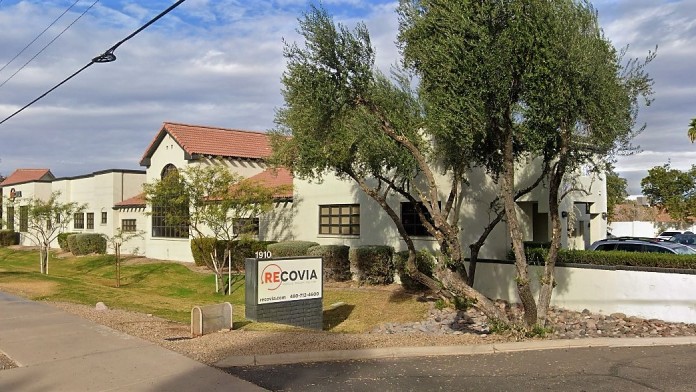
Recovia Tempe |
1910 E Southern Ave Tempe, AZ 85282 |
Detox Service Setting
Inpatient DetoxOutpatient Detox
|
Levels Of Care
InpatientOutpatient
|
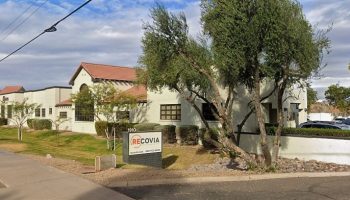
|
Valley Hope of Tempe Intensive Outpatient |
2115 East Southern Avenue Tempe, AZ 85282 |
Detox Service Setting
Outpatient Detox
|
Levels Of Care
OutpatientAftercareIntensive Outpatient
|
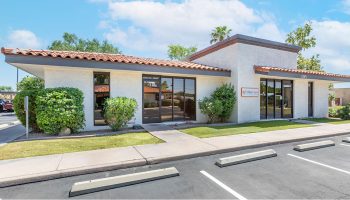
|
Lifeline Professional Counseling |
4515 S McClintock Dr Tempe, AZ 85282 |
Detox Service Setting
Inpatient DetoxOutpatient Detox
|
Levels Of Care
InpatientOutpatient
|
|
Rosewood |
950 West Elliot Road Tempe, AZ 85284 |
Detox Service Setting
Outpatient Detox
|
Levels Of Care
OutpatientAftercareDual Diagnosis+1
|
|
Scottsdale Comprehensive Treatment Center |
617 North Scottsdale Road Scottsdale, AZ 85257 |
Detox Service Setting
Outpatient Detox
|
Levels Of Care
OutpatientAftercare
|

|
Camelback Recovery Papago |
6025 E Windsor Ave Scottsdale, AZ 85257 |
Detox Service Setting
Inpatient DetoxOutpatient Detox
|
Levels Of Care
InpatientOutpatient
|
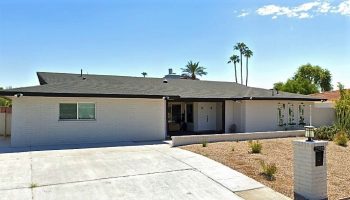
|
Gallus Medical Detox Centers – Phoenix |
4326 North 75th Street Scottsdale, AZ 85251 |
Detox Service Setting
Outpatient DetoxMAT
|
Levels Of Care
Outpatient
|

|
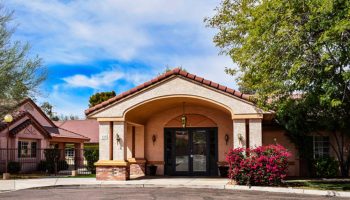
Canyon Vista Recovery Center |
860 North Center Street Mesa, AZ 85201 |
Detox Service Setting
Inpatient DetoxOutpatient Detox
|
Levels Of Care
InpatientOutpatientAftercare+5
|
|
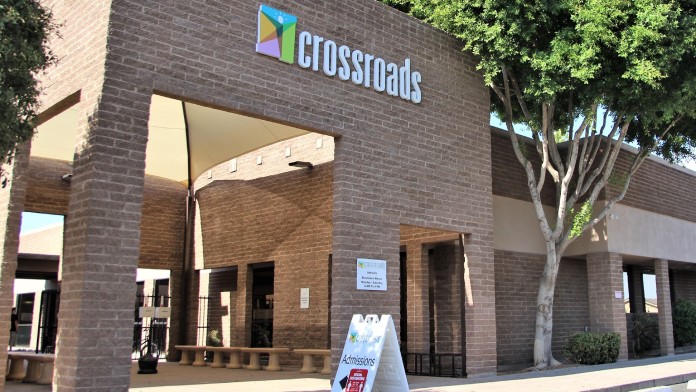
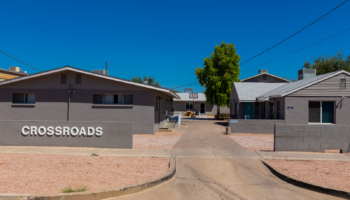
Crossroads – Red Mountain Campus for Men |
143 South Center Street Mesa, AZ 85210 |
Detox Service Setting
Inpatient DetoxOutpatient Detox
|
Levels Of Care
InpatientOutpatientAftercare
|
|
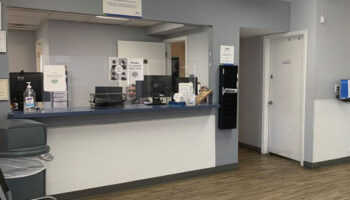
Community Medical Services Alpha |
3825 North 24th Street Phoenix, AZ 85016 |
Detox Service Setting
MATOutpatient Detox
|
Levels Of Care
Outpatient
|
|
Crossroads Phoenix |
2002 E Osborn Rd Phoenix, AZ 85016 |
Detox Service Setting
Inpatient DetoxOutpatient Detox
|
Levels Of Care
InpatientOutpatient
|

|
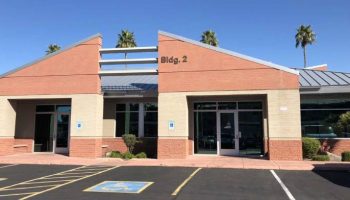
The River Source – Gilbert |
2325 W Guadalupe Rd Gilbert, AZ 85233 |
Detox Service Setting
Inpatient DetoxOutpatient Detox
|
Levels Of Care
InpatientOutpatient
|
|
The dominant drug combination in Maricopa County is fentanyl mixed with methamphetamine, which means that many people presenting for detox in Tempe have overlapping stimulant and opioid withdrawal profiles. As a result, facilities in and around Tempe are increasingly structured to address both.
Tempe has invested in some of the most data-driven overdose prevention infrastructure in the state. Since 2018, the city has partnered with Arizona State University to conduct wastewater-based drug surveillance across six collection zones.
By summer 2024, the program expanded to include xylazine, a veterinary sedative increasingly found in the local fentanyl supply that does not respond to naloxone. This data feeds directly into first responder protocols, so treatment teams in Tempe are likely to ask about polysubstance use at intake.
Detox and residential treatment facilities in Tempe are licensed and regulated by the Arizona Department of Health Services (ADHS), Division of Public Health Licensing, Bureau of Residential Facilities Licensing, under Arizona Administrative Code Title 9, Chapter 10. Any facility offering medically supervised withdrawal management must hold an active ADHS license and meet staffing, clinical, and safety standards, including 24-hour physician or nursing access during the withdrawal period.
On the Medicaid side, the Arizona Health Care Cost Containment System (AHCCCS) funds behavioral health services through managed care plans. In Maricopa County, Mercy Care serves as the ACC-RBHA, the regional behavioral health authority responsible for coordinating AHCCCS-covered substance use disorder services. People with AHCCCS coverage in Tempe should confirm that any facility they contact is in-network with their specific AHCCCS plan before beginning an intake.
If you are unsure what level of care is right for your situation, understanding how to choose a detox center can help you ask the right questions.
Detox can feel financially out of reach, but Tempe residents have more options than most people realize. Arizona’s Medicaid program covers medically necessary withdrawal management, and a mix of private insurance, block grant funding and sliding-scale programs fill gaps for people who are uninsured or underinsured. Understanding how much detox costs before you call can make intake conversations much easier.
Costs in the Tempe area vary by level of care. The figures below are estimated self-pay rates without insurance; most people pay considerably less once insurance or public coverage is applied. A 30-to-90-day inpatient residential stay generally runs $20,000 to $50,000, and luxury residential programs can range from $20,000 to $80,000 per month.
Medicare covers medically necessary detox and substance use disorder treatment for enrolled Tempe residents at facilities that accept Medicare. Part A covers inpatient hospital detoxification, Part B covers outpatient services such as evaluation, counseling, and opioid treatment program care including methadone, and Part D covers medications used in treatment. Since 2020, Medicare has covered opioid treatment program services for eligible beneficiaries. Your costs depend on the setting, the services provided, and your specific plan, so confirm in-network providers and any prior-authorization requirements with your plan before admission. Source: Medicare.gov.
Arizona’s Medicaid program is called the Arizona Health Care Cost Containment System, or AHCCCS. It covers medically necessary detox, residential treatment, intensive outpatient programs and medication-assisted treatment, including methadone, buprenorphine (Suboxone) and naltrexone (Vivitrol). Prior authorization is commonly required for inpatient and residential levels of care. To qualify, Arizona residents must generally have household income at or below 138% of the federal poverty level. You can apply at azahcccs.gov or call 1-855-HEA-PLUS (1-855-432-7587).
Several options help uninsured or underinsured Tempe residents cover the cost of care:

Federal Substance Abuse Prevention and Treatment Block Grant funding administered by AHCCCS covers detox and residential treatment for uninsured or underinsured Arizonans who would otherwise not qualify for Medicaid.
Several community-based programs in the Tempe area adjust fees based on income. Ask any facility directly whether they offer this.
Tempe is home to Arizona State University, which brings a significant veteran and active-duty population to the area. TRICARE covers SUD treatment at civilian facilities in Arizona, and veterans may also access care through the Phoenix VA Health Care System.
Maricopa County distributes opioid settlement funds from national pharmaceutical litigation to nonprofits and programs that expand treatment access. Some facilities in the area have received these funds to support lower-cost care.
Three bodies are most relevant when evaluating a detox facility in Tempe. Voluntary national accreditation through The Joint Commission or CARF is not required by ADHS but is a common quality signal at private facilities. Arizona does not require a Certificate of Need for behavioral health facilities, so the Tempe market has a relatively large number of licensed programs.
Issues and renews licenses for all detox and residential SUD treatment facilities in the state, and maintains inspection and complaint investigation authority under Arizona Administrative Code Title 9, Chapter 10.
Arizona’s single Medicaid agency, which contracts with managed care plans and sets standards for any facility seeking Medicaid reimbursement.
The regional behavioral health authority for Maricopa, Pinal and Gila counties. Mercy Care coordinates AHCCCS-covered SUD treatment and connects members to contracted detox and residential providers in the greater Tempe area.
Medication-assisted treatment is widely available in the Tempe area. Arizona’s MAT policy allows prescribers to initiate buprenorphine in office-based settings, and methadone for opioid use disorder is available through certified Opioid Treatment Programs (OTPs) operating in the metro area, including Community Medical Services on South Rural Road in Tempe.
Can be prescribed by any DEA-waivered provider in an office-based setting. AHCCCS covers buprenorphine for eligible members with prior authorization, and several Tempe facilities initiate buprenorphine during the active detox phase.
Restricted to federally certified OTPs, with daily clinic attendance typically required during stabilization. AHCCCS covers methadone through contracted OTP providers, and Maricopa County has several active OTPs serving the Tempe population.
Requires no special licensing or waiver and can be prescribed by any licensed provider. Because it blocks opioid effects entirely, it must be started only after full detox. AHCCCS covers the injectable form (Vivitrol) for eligible members.
Tempe and the surrounding Maricopa County region have built one of the more active harm reduction networks in Arizona, driven by a sustained fentanyl crisis and the more recent emergence of xylazine in the local drug supply. The city’s wastewater surveillance program now monitors for xylazine specifically because it does not respond to naloxone, and first responders carry this context into every overdose call. For anyone who uses fentanyl or suspects their supply may contain it, the resources below offer free naloxone, drug checking supplies and connections to care without judgment.
Based in Tempe at 2211 S. 48th Street, Sonoran Prevention Works is Arizona’s largest community distributor of naloxone. Since 2017, SPW has distributed over 961,000 doses statewide and documented more than 27,000 overdose reversals. Their outreach workers are certified peer support specialists who serve people who use drugs wherever they are, with no abstinence requirement.
Shot in the Dark is a volunteer-led collective that has operated in Maricopa County since 2010. SITD runs six weekly harm reduction sites across the county, primarily serving unhoused people who use drugs, and its sites have logged over 8,600 participant interactions. They can be reached at [email protected] or by text at (602) 456-9811.
MCDPH maintains a dedicated overdose data dashboard with city-specific breakdowns for Tempe and provides free naloxone and drug checking supplies to community organizations. Their opioid assistance line offers warm transfers to behavioral health and MAT services 24 hours a day.
Since February 2020, every Tempe patrol officer has carried naloxone and can deploy it on overdose calls. Officers work alongside EMPACT-SPC to provide immediate behavioral health response at the point of overdose, a model noted as a potential national example for police-community collaboration on substance use crises.
Tempe sits inside one of the hardest-hit counties in Arizona, where fentanyl and methamphetamine drive the majority of fatal overdoses. The data below reflects the scope of the local crisis and recent trends that inform how treatment programs in the area are staffed and structured.
Tempe recorded 90 fatal overdoses in 2023, a 25% increase compared to 2019 numbers, according to a Cronkite News investigation of city overdose data. Source: Cronkite News, September 2025.
Opioid-related EMS calls in Tempe grew from 330 in 2017 to 622 in 2024, though year-over-year growth has flattened since the city expanded its early warning surveillance. Source: Cronkite News, September 2025.
In 2024, fentanyl was identified in 59% of all fatal overdoses in Maricopa County, the county that contains Tempe. Source: Maricopa County Department of Public Health Overdose Data Dashboard, 2025.
Yes. AHCCCS, Arizona’s Medicaid program, covers medically necessary detox for eligible residents, including 24-hour inpatient withdrawal management and medication-assisted treatment. Prior authorization is typically required for inpatient care. Not every facility in Tempe accepts AHCCCS, so be sure to confirm network participation with any program before beginning the intake process.
Inpatient detox involves 24-hour medical supervision in a licensed facility, which is recommended for alcohol, benzodiazepine and high-dose opioid dependence where withdrawal carries medical risk. Outpatient detox allows a person to live at home while attending scheduled clinical appointments. A qualified clinician can assess which level of care is appropriate for you based on substance type, dependence severity and any co-occurring health conditions.
CARE 7 is Tempe’s 24/7 crisis intervention service. CARE 7 representatives engage people at the point of a mental health or substance use crisis, offer immediate support and provide referrals to treatment programs, helping individuals navigate their options when they are not yet ready for formal intake. Contact information is available through the city’s behavioral health resource pages.
Yes. Multiple providers in and around Tempe offer MAT for opioid use disorder. Community Medical Services on South Rural Road in Tempe is a primary MAT clinic offering methadone and buprenorphine. Buprenorphine can also be initiated through office-based prescribers and primary care providers with a DEA waiver. AHCCCS covers all three FDA-approved medications for opioid use disorder when medically indicated.
Since summer 2024, Tempe’s wastewater surveillance program has detected xylazine in multiple collection zones. Xylazine is a veterinary sedative increasingly mixed with fentanyl that does not respond to naloxone. When xylazine is present in an overdose, standard naloxone administration will not fully reverse it, so calling 911 remains essential.
People who are uninsured or underinsured can apply for AHCCCS at any point, and in some cases emergency Medicaid coverage may be available while an application is pending. The Substance Abuse Prevention and Treatment Block Grant funds free or reduced-cost treatment at some programs for those who do not qualify for Medicaid. Calling 211 Arizona (dial 2-1-1) can also connect you with free, confidential referrals to low-cost detox programs in the Tempe area, 24 hours a day.


Cary has more than three decades of nursing expertise as an LPN and holds a bachelor’s degree in Liberal Arts. She is also working toward a Master’s degree focused on public health policy. Her professional journey has been dedicated to addressing healthcare disparities for both adults and children.