860-294-9332
Stonington Institute
North Stonington, CT
06359
New Haven, like many other large, Connecticut cities, has a serious substance abuse problem that is only getting worse. The Elm City has struggled with alcohol and drug abuse in its population for many years, and many residents are turning to detoxification for the first step in their addiction treatment.
Drug and alcohol detox centers in New Haven, CT allow patients to be treated for their withdrawal symptoms in order to safely navigate addiction treatment and recovery. Call 860-980-1339 now if you or someone you love wants to begin substance use disorder treatment in the safest, most effective way possible.

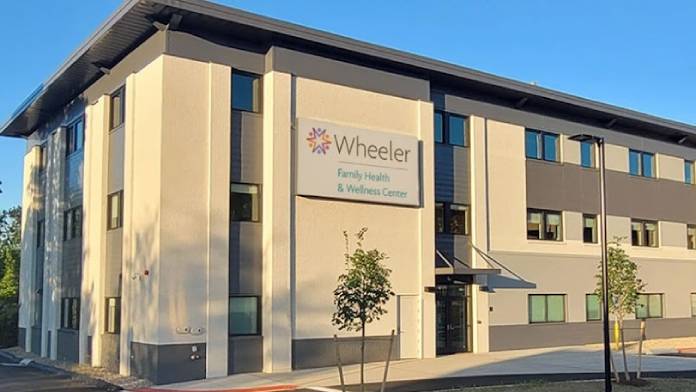
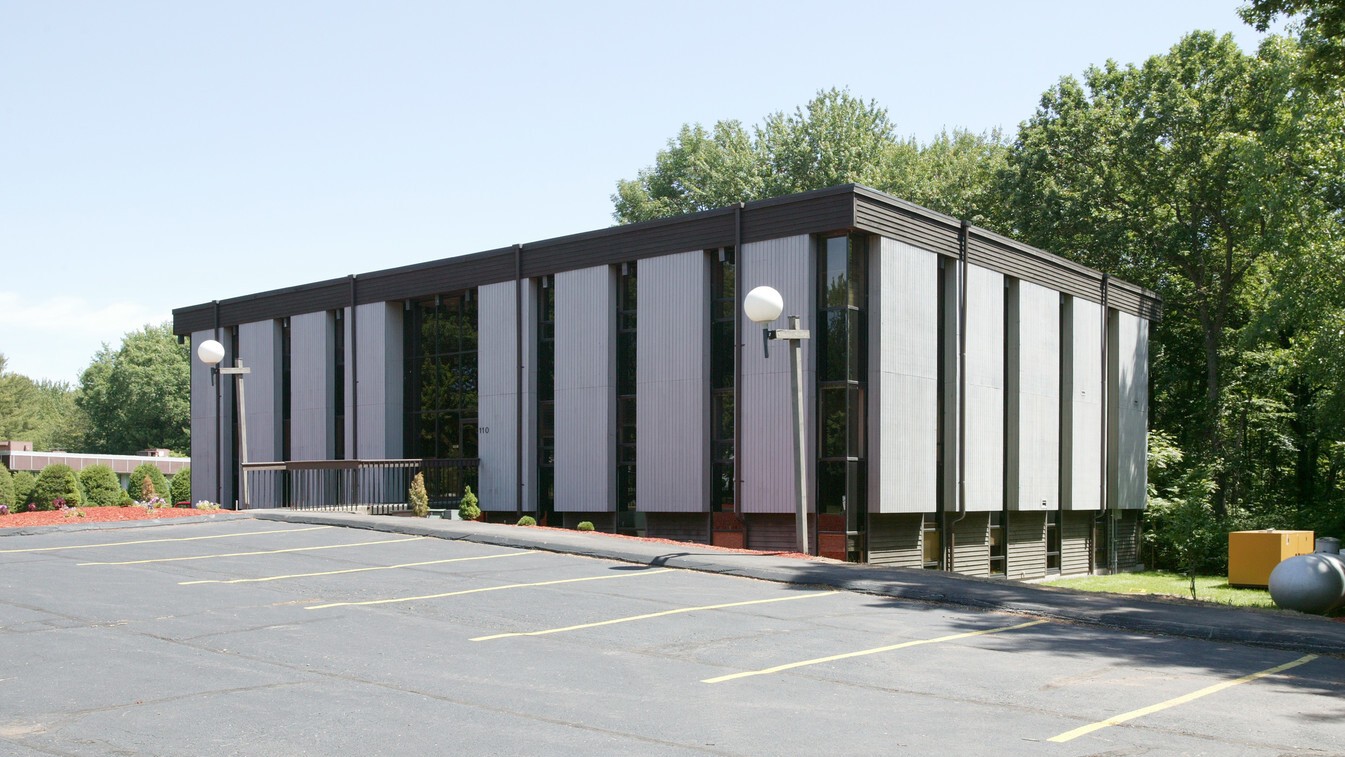
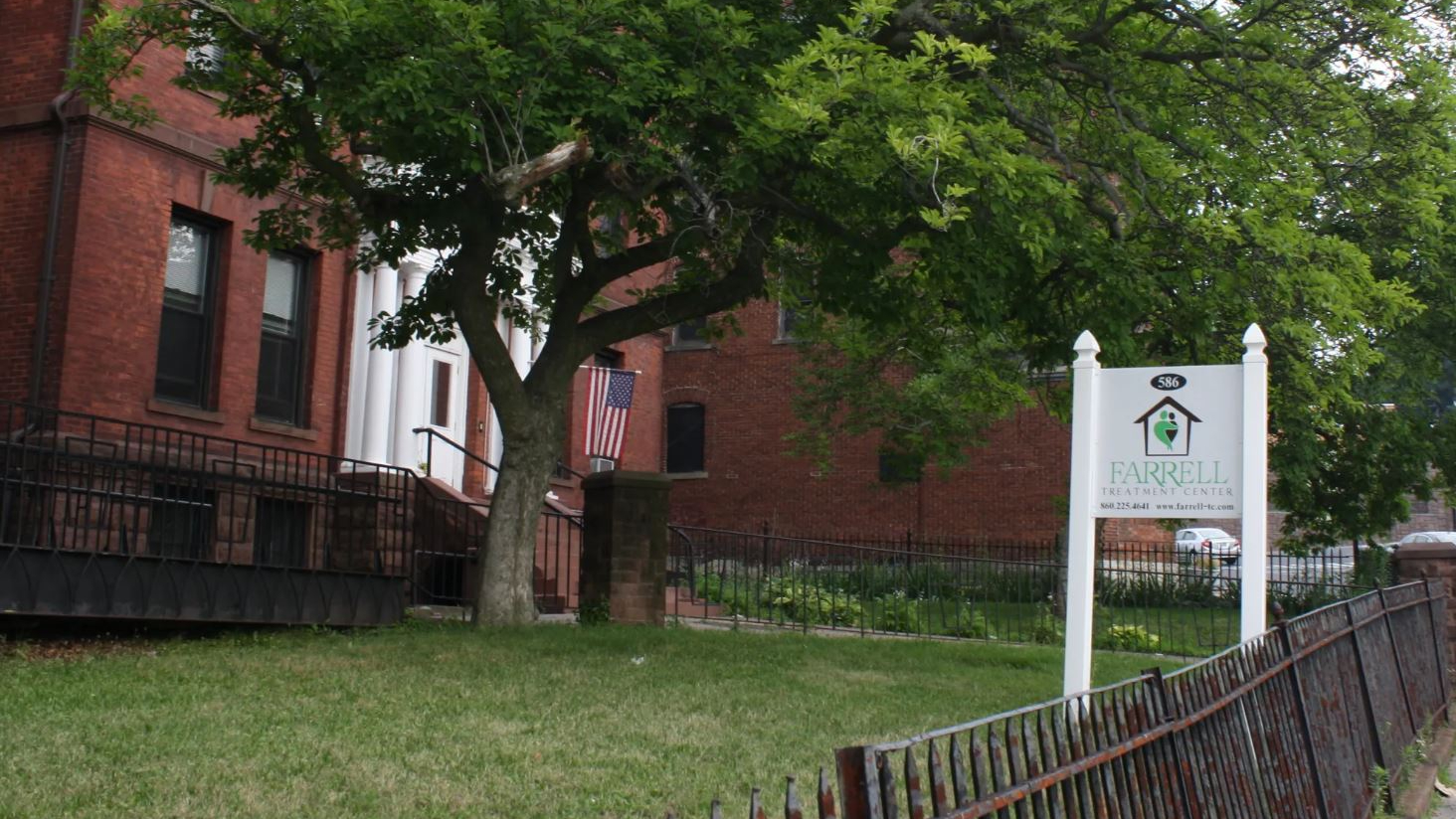
| Name | Address | Detox Service Setting | Levels Of Care | Media |
|---|---|---|---|---|
Fair Haven Community Health Center |
374 Grand Avenue New Haven, CT 06513 |
Detox Service Setting
MATOutpatient Detox
|
Levels Of Care
OutpatientIntensive Outpatient
|
|
MAAS New Haven |
426 East Street New Haven, CT 06511 |
Detox Service Setting
Outpatient DetoxMATInpatient Detox
|
Levels Of Care
OutpatientPHP
|

|
New Era Rehabilitation Center |
311 East Street New Haven, CT 06511 |
Detox Service Setting
Outpatient Detox
|
Levels Of Care
OutpatientDual Diagnosis
|
|
Prosperity Counseling |
1435 Chapel Street New Haven, CT 06511 |
Detox Service Setting
Inpatient DetoxOutpatient Detox
|
Levels Of Care
InpatientOutpatient
|

|
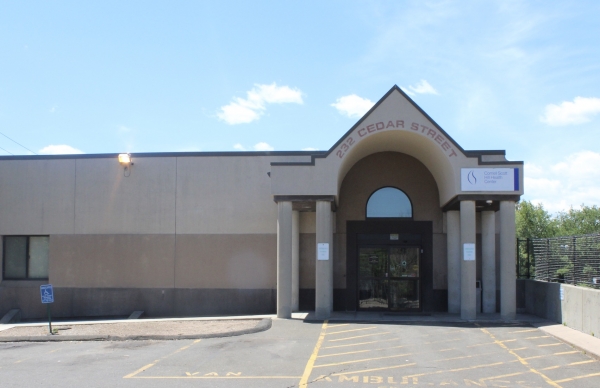
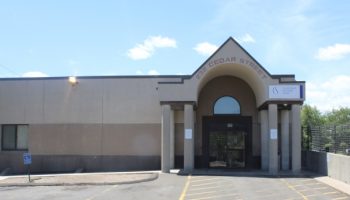
South Central Rehabilitation of 232 Cedar St New Haven, CT |
232 Cedar Street New Haven, CT 06519 |
Detox Service Setting
Inpatient DetoxOutpatient DetoxMAT+1
|
Levels Of Care
InpatientInpatient
|
|
APT Foundation |
1 Long Wharf Dr New Haven, CT 06511 |
Detox Service Setting
Inpatient DetoxOutpatient Detox
|
Levels Of Care
InpatientOutpatient
|
|
VA Healthcare Systems of Connecticut Substance Abuse Treatment Program |
950 Campbell Avenue West Haven, CT 06516 |
Detox Service Setting
Hospital DetoxOutpatient DetoxMAT
|
Levels Of Care
|

|
Yale Behavioral Health Services Hamden |
95 Circular Avenue Hamden, CT 06514 |
Detox Service Setting
Outpatient Detox
|
Levels Of Care
OutpatientDual Diagnosis
|

|
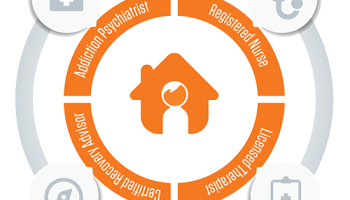
Aware Recovery Care |
North Haven, CT 06473 |
Detox Service Setting
Outpatient DetoxMAT
|
Levels Of Care
Outpatient
|
|
Intensive Outpatient Programs Griffin Hospital Department of Psychiatry |
241 Seymour Avenue Derby, CT 06418 |
Detox Service Setting
Outpatient Detox
|
Levels Of Care
OutpatientDual Diagnosis
|

|
New Era Rehabilitation |
4675 Main St Bridgeport, CT 06606 |
Detox Service Setting
Outpatient Detox
|
Levels Of Care
OutpatientDual Diagnosis
|

|
St. Vincent’s Medical Center |
2800 Main St Bridgeport, CT 06606 |
Detox Service Setting
Inpatient DetoxOutpatient Detox
|
Levels Of Care
InpatientOutpatient
|

|
Bridgeport Hospital |
267 Grant Street Bridgeport, CT 06610 |
Detox Service Setting
Hospital DetoxInpatient DetoxOutpatient Detox
|
Levels Of Care
InpatientOutpatient
|

|
Recovery Network of Programs Center for Human Services |
2 Research Drive Stratford, CT 06615 |
Detox Service Setting
Outpatient Detox
|
Levels Of Care
OutpatientDual Diagnosis
|

|
Pivot Drug Rehabilitation Center |
495 Jane St Bridgeport, CT 06608 |
Detox Service Setting
Inpatient DetoxOutpatient Detox
|
Levels Of Care
InpatientOutpatient
|

|
New Haven has a well-developed network of detox and substance use treatment programs, ranging from DMHAS-licensed public facilities to private clinical programs affiliated with Yale University.
The Connecticut Department of Mental Health and Addiction Services (DMHAS) is the primary state agency responsible for licensing and overseeing all detoxification and substance use disorder treatment facilities, while the Connecticut Department of Public Health (CT DPH) provides additional licensure for private freestanding treatment centers.
Local oversight is coordinated through the South Central Connecticut planning region, one of nine regional planning areas established by the state.
New Haven has the highest concentration of publicly funded detox providers in the state. The APT Foundation at 1 Long Wharf Drive and Cornell Scott-Hill Health Center (SCRC) at 232 Cedar Street are the two primary safety-net detox providers, both accepting Medicaid, Medicare and uninsured patients on a sliding fee scale.
For people seeking immediate access to state-funded residential detox, DMHAS operates a 24/7 Access Line that facilitates placement and can prioritize transportation.
Moreover, the local treatment picture is shaped heavily by opioids. New Haven’s overdose fatality rate has historically run about three times the Connecticut statewide average, and the drug supply increasingly includes fentanyl, xylazine and emerging adulterants such as bromazolam.
For this reason, Yale School of Medicine researchers have been embedded in community care here since the 1990s, and the city is home to one of the first and largest syringe services programs in the country.
Detox costs in New Haven vary widely depending on the level of care, whether a bed is at a publicly funded safety-net program or a private clinical facility, and how insurance applies.
A large share of people in detox in New Haven are covered by HUSKY Health (Connecticut Medicaid), and several major safety-net providers accept state funding that can reduce or eliminate out-of-pocket costs. Therefore, understanding how much detox costs before you have a substance use intake/assessment can help you plan and ask the right financial questions.
New Haven detox costs generally follow Connecticut state averages, with some variation by facility type and level of medical intensity.
Safety-net providers such as APT Foundation and Cornell Scott-Hill Health Center bring costs closer to zero for Medicaid-enrolled or low-income patients. Private clinical programs charge substantially more.
The length of stay (typically 3 to 7 days for medical detox), the specific substances involved, and whether medication-assisted treatment is included all affect total cost.
Connecticut requires all private insurers operating in the state to comply with the federal Mental Health Parity and Addiction Equity Act, meaning coverage for substance use disorder treatment must be equivalent to medical and surgical coverage.The Connecticut Insurance Department oversees compliance and can be reached through the state’s consumer assistance line.
You can check your plan’s network status and coverage at AccessHealthCT.com, the state’s official health insurance marketplace.
The most common commercial insurance plans used at New Haven detox facilities include:

Medicare covers inpatient and outpatient detox for eligible New Haven residents, including hospital-based medically managed withdrawal. While Part B covers opioid treatment program (OTP) services, including methadone and buprenorphine, when provided by a certified OTP. It is important to take into consideration that copays and deductibles vary by plan and service setting.
Connecticut Medicaid, known as HUSKY Health, covers detox, residential treatment, outpatient services, and all FDA-approved MAT medications, including methadone, buprenorphine/naloxone and naltrexone.
Under the Connecticut 1115 SUD Demonstration Waiver, Medicaid coverage was expanded in 2022 to include free-standing residential and inpatient SUD treatment.
Most HUSKY Health enrollees pay no copays for behavioral health services.
Cost shouldn’t be a reason for not getting detox care in New Haven.
Several financial pathways exist for people without private insurance or with limited means:

Cornell Scott-Hill Health Center (FQHC), APT Foundation, and the Connecticut Mental Health Center’s Substance Abuse Treatment Unit (SATU) all use sliding fee schedules based on household income. No one is denied care at CMHC/SATU for inability to pay.
DMHAS operates a 24/7 Access Line (1-800-563-4086) that links callers to residential detox statewide and can arrange transportation. This is the fastest route to a publicly funded detox bed in the New Haven area.
Veterans can access no-cost substance use treatment through the VA Connecticut Healthcare System’s West Haven campus (950 Campbell Avenue). Services include detox, outpatient MAT and dual diagnosis care. Cornell Scott-Hill Health Center also accepts TRICARE and serves veterans.
Connecticut’s Opioid Settlement Advisory Committee (OSAC) has allocated settlement funds to expand MAT access, harm reduction services, and recovery community centers in the New Haven area. These funds are distributed to providers and may support low-cost or no-cost treatment slots for uninsured individuals.
Several key regulatory and accreditation bodies that oversee detox and substance use treatment in New Haven and Connecticut, including:
DMHAS is Connecticut’s primary state agency for licensing, funding, and oversight of substance use disorder treatment facilities, including detoxification programs. It issues operating licenses, monitors compliance, funds safety-net providers through regional contracts and maintains the state’s 24/7 Access Line for detox placement.
CT DPH licenses private freestanding psychiatric and behavioral health facilities in Connecticut, including many detox and residential programs. It also administers the State Unintentional Drug Overdose Reporting System (SUDORS), which provides the overdose mortality data used to allocate prevention resources.
CTBHP manages Medicaid (HUSKY Health) behavioral health benefits on behalf of the state, including prior authorization for higher levels of SUD care. Facilities must enroll with CTBHP to bill HUSKY Health for detox, residential or outpatient services.
CT DSS administers the HUSKY Health Medicaid program and oversees the Connecticut 1115 SUD Demonstration Waiver, which expanded Medicaid coverage for residential and inpatient SUD treatment beginning in 2022.
Both national accrediting bodies operate in New Haven. APT Foundation and Cornell Scott-Hill Health Center hold CARF accreditation. SAMHSA certification for Opioid Treatment Programs is required for facilities dispensing methadone.
Medication-assisted treatment in New Haven is regulated at both the federal and state levels. Federally, MAT involving opioids is governed by SAMHSA’s Opioid Treatment Program rules under 42 CFR Part 8, as well as DEA controlled-substance regulations. Connecticut’s DMHAS licenses and monitors all MAT providers and requires that counseling and behavioral services be integrated with medication.
Widely available at New Haven-area clinics and via telehealth. APT Foundation, Cornell Scott-Hill Health Center, and Yale CHCV all offer buprenorphine (Suboxone) initiation. The 2023 removal of the federal X-waiver requirement means any DEA-licensed prescriber can now initiate buprenorphine.
Dispensed only at federally certified Opioid Treatment Programs (OTPs). APT Foundation operates a major OTP in New Haven. Daily in-person dosing is required initially, with take-home doses available based on treatment tenure and clinical stability. HUSKY Health covers methadone maintenance with no copay.
Available without OTP certification and can be prescribed by any licensed provider. The injectable form (Vivitrol) is offered at Cornell Scott-Hill Health Center and APT Foundation. It has no abuse potential and requires full opioid detox before initiation.
New Haven has one of the most active harm reduction networks in New England, anchored by programs with decades of history and deep community ties. Opioids, particularly fentanyl and fentanyl-xylazine combinations, dominate the local drug supply.
Fortunately, multiple organizations provide free naloxone, syringe exchange, drug checking and low-barrier pathways into treatment across the city.
These resources are not a substitute for detox and treatment, but they play a critical role in keeping people alive until they are ready or able to access clinical care.
The CHCV has operated since 1993 and runs the largest syringe services program in Connecticut. A 40-foot mobile clinic travels New Haven neighborhoods Monday through Friday, and a storefront at 270 Congress Avenue provides walk-in services.
Harm reduction vending machines on site dispense Narcan and supplies free of charge to registered users. The CHCV is a designated centerpiece of the city’s overdose prevention team.
CTHRA operates a mobile harm reduction van throughout the greater New Haven area and trained nearly 4,000 people in overdose recognition and naloxone administration in 2024. The van schedule is updated regularly; call or text the number above for current locations near Ferry Street and Grand Avenue.
The New Haven Health Department distributes harm reduction supplies directly to residents and coordinates with DMHAS regional programs. Staff can provide referrals to detox and outpatient treatment, including DMHAS-funded programs.
APT Foundation integrates harm reduction directly into its clinical treatment model. Walk-ins are welcome at the Access Center six days a week, removing one of the most significant barriers to starting MAT: the requirement to schedule intake in advance.
For people leaving the street or coming out of the criminal justice system, this low-threshold model is often the first clinical contact on the path to detox.
New Haven has faced a disproportionately high burden of overdose deaths for over a decade, with rates well above the Connecticut statewide average. However, recent years show encouraging declines statewide, though the shifting drug supply continues to pose serious risks at the local level.
New Haven recorded 72 drug overdose deaths in 2024, the overwhelming majority from opioids, according to state health data reviewed by the APT Foundation.
As of 2023, New Haven’s fatal overdose rate stood at 81.5 per million residents, roughly three times the Connecticut statewide average of 27.9 per million.
As of May 2023, 87% of overdose deaths in the New Haven region involved opioids, with 79% specifically involving fentanyl and 13% involving xylazine.
Call the DMHAS 24/7 Access Line at 1-800-563-4086. This statewide line facilitates placement in publicly funded residential detox and can arrange transportation to a facility.
Locally, the APT Foundation Access Center at 1 Long Wharf and Cornell Scott-Hill Health Center at 232 Cedar Street both accept uninsured patients on a sliding fee scale based on income.
Yes. APT Foundation accepts walk-ins at its Access Center six days a week (Monday through Saturday, opening at 5:30 AM) and can initiate both methadone and buprenorphine on the same visit.
As well, Yale’s Community Health Care Van can prescribe buprenorphine on-site when the mobile clinic is in the field, with no appointment required.
Yes. Both APT Foundation and Cornell Scott-Hill Health Center treat co-occurring mental health and substance use disorders simultaneously.
Yale’s Connecticut Mental Health Center (CMHC) and its Substance Abuse Treatment Unit (SATU) also specialize in this population and have accepted all patients regardless of ability to pay since 1968.
Understanding aftercare planning before discharge is especially important when co-occurring conditions are involved, since continuity of psychiatric care significantly affects outcomes.
At facilities like Cornell Scott-Hill Health Center, the average inpatient detox stay is 3 to 5 days, with the medical team focused on managing acute withdrawal symptoms. The actual length depends on the substance involved, the severity of dependence, and any medical complications.
Alcohol and benzodiazepine withdrawal can extend the stay due to seizure risk. Discharge planning for the next level of care typically begins on the first or second day.
Yes. Free naloxone is available at multiple locations throughout New Haven, including the Yale Community Health Care Van and its harm reduction vending machines at 270 Congress Avenue, the Connecticut Harm Reduction Alliance mobile van, the New Haven Health Department at 54 Meadow Street, and APT Foundation.
Connecticut pharmacists are also authorized to dispense naloxone without a prescription, and HUSKY Health covers it at no cost.
Yes. APT Foundation offers specialized programming for pregnant and postpartum women, including MAT with buprenorphine or methadone, which is the standard of care for opioid use disorder during pregnancy. Furthermore, Cornell Scott-Hill Health Center also serves this population.
Case management through these programs can help connect parents to child care and housing supports during treatment. Contact the DMHAS Access Line if you need help identifying availability.