Find Drug & Alcohol Detox Centers in Bridgeport, CT

Detox Centers in Bridgeport

15 Results
Filters
Setting
Medications Offered
Treatment
Programs
Payment Options
Name Address Detox Service Setting Levels Of Care Media

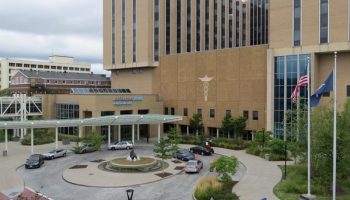
Bridgeport Hospital

267 Grant Street Bridgeport, CT 06610
Detox Service Setting
Hospital DetoxInpatient DetoxOutpatient Detox
Levels Of Care
InpatientOutpatient
Bridgeport Hospital

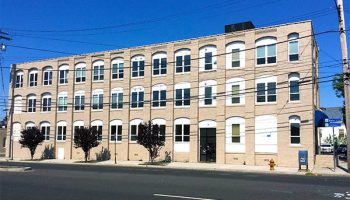
New Era Rehabilitation

4675 Main St Bridgeport, CT 06606
Detox Service Setting
Outpatient Detox
Levels Of Care
OutpatientDual Diagnosis
New Era Rehabilitation

New Era Rehabilitation Center

4675 Main Street Bridgeport, CT 06606
Detox Service Setting
Outpatient DetoxMAT
Levels Of Care
InpatientOutpatient
New Era Rehabilitation Center

Pivot Drug Rehabilitation Center

495 Jane St Bridgeport, CT 06608
Detox Service Setting
Inpatient DetoxOutpatient Detox
Levels Of Care
InpatientOutpatient
Pivot Drug Rehabilitation Center

Recovery Network of Programs Inc Kinsella Treatment Center MATS

1862 State Street Extension Bridgeport, CT 06605
Detox Service Setting
Outpatient DetoxMAT
Levels Of Care
Recovery Network of Programs Inc Kinsella Treatment Center MATS

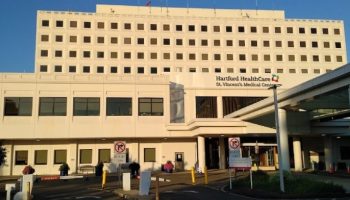
St. Vincent’s Medical Center

2800 Main St Bridgeport, CT 06606
Detox Service Setting
Inpatient DetoxOutpatient Detox
Levels Of Care
InpatientOutpatient
St. Vincent’s Medical Center

Crossroads Inc

54 E Ramsdell St New Haven, CT 06515
Detox Service Setting
Inpatient DetoxOutpatient DetoxMAT
Levels Of Care
InpatientOutpatient

First Step Detox

425 Grant St Bridgeport, CT 06610
Detox Service Setting
Inpatient DetoxOutpatient Detox
Levels Of Care
InpatientOutpatient

First Step Detox

425 Grant Street Bridgeport, CT 06610
Detox Service Setting
Levels Of Care

Liberation Programs Bridgeport Outpatient Services

399 Mill Hill Avenue Bridgeport, CT 06610
Detox Service Setting
Outpatient DetoxMAT
Levels Of Care
Outpatient

Recovery Network Of Programs Inc

1438 Park Avenue Bridgeport, CT 06604
Detox Service Setting
Inpatient DetoxOutpatient DetoxMAT
Levels Of Care
InpatientOutpatient

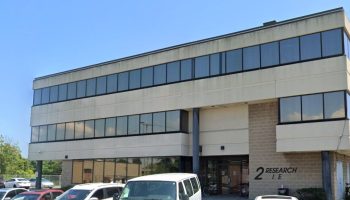
Recovery Network of Programs Center for Human Services

2 Research Drive Stratford, CT 06615
Detox Service Setting
Outpatient Detox
Levels Of Care
OutpatientDual Diagnosis
Recovery Network of Programs Center for Human Services

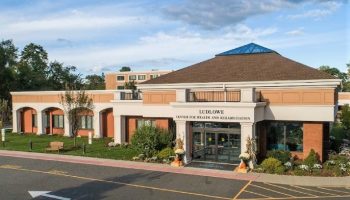
Ludlowe Center For Health & Rehabilitation

118 Jefferson St Fairfield, CT 06825
Detox Service Setting
Inpatient DetoxOutpatient Detox
Levels Of Care
InpatientOutpatient
Ludlowe Center For Health & Rehabilitation

Intensive Outpatient Programs Griffin Hospital Department of Psychiatry

241 Seymour Avenue Derby, CT 06418
Detox Service Setting
Outpatient Detox
Levels Of Care
OutpatientDual Diagnosis
Intensive Outpatient Programs Griffin Hospital Department of Psychiatry

Nuvance Health Medical Practice at Norwalk Hospital

24 Stevens St Norwalk, CT 06850
Detox Service Setting
Inpatient DetoxOutpatient Detox
Levels Of Care
InpatientOutpatient
Nuvance Health Medical Practice at Norwalk Hospital

Drug & Alcohol Detox in Bridgeport, CT

Bridgeport is Connecticut’s largest city and sits in Fairfield County, a region that has been at the center of the state’s opioid crisis for more than a decade. Detox and substance use disorder treatment facilities operating in Bridgeport are licensed and regulated by the Connecticut Department of Mental Health and Addiction Services (DMHAS), the state’s lead agency for addiction prevention and treatment. Facilities that bill Medicaid must also comply with standards set by the Connecticut Behavioral Health Partnership (CTBHP), the managed care entity that administers behavioral health benefits for HUSKY Health members.

Several developments in recent years have directly shaped the local treatment environment. Connecticut’s Opioid Settlement Advisory Committee (OSAC) approved a $58.6 million Housing as Recovery initiative in January 2025, designed to support people with opioid use disorder experiencing homelessness, a population significantly concentrated in Bridgeport and nearby cities.

Separately, the state’s CORE Initiative has directed settlement funding toward expanding access to same-day medications for opioid use disorder (MOUD) at outpatient opioid treatment programs across Connecticut, which affects Bridgeport providers directly.

The DMHAS 24/7 Access Line (1-800-563-4086) can connect Bridgeport residents to residential detox beds statewide and can help coordinate transportation to placement. For people without a primary care connection or insurance, this line may be the most direct path to a funded bed.


Paying for Detox in Bridgeport

The cost of detox in Bridgeport varies considerably by level of care, but Connecticut has multiple public and private funding pathways that can reduce or eliminate out-of-pocket costs for eligible residents. Understanding how much detox costs before you start making calls can help you ask the right questions and avoid surprises.

How Much Does Detox Cost in Bridgeport?

Connecticut is one of the more expensive states in the country for residential addiction treatment, with the average cost of residential care running approximately $50,000 for a 30-day program. Medical detoxification, the most intensive level of care, averages considerably higher. However, most people do not pay these sticker prices, and publicly funded options in Bridgeport can bring out-of-pocket costs to zero for qualifying residents. Cost varies primarily by level of care, facility amenities, treatment plan, and whether a bed is in a state-funded or private facility.

$138,000 for high-intensity, hospital-based care
Medical Detox
$49,600 for a 30-day residential program
Inpatient Rehab
$8,200 total average costs
Outpatient Rehab
$7,300 per year for ongoing, outpatient MAT
Methadone Treatment

Medicare and Medicaid in Bridgeport

Medicaid

Connecticut’s Medicaid program, known as HUSKY Health, covers a broad range of substance use disorder services, including medical detox, residential rehab, outpatient treatment and all FDA-approved medications for opioid use disorder (methadone, buprenorphine/naloxone and naltrexone). The CTBHP manages this benefit for HUSKY members.

Adults who earn too much for HUSKY but remain low-income may qualify for Covered Connecticut, a state-funded program with no premiums, deductibles or copays that also covers SUD treatment.

Other Ways to Pay for Detox Treatment

Covered Connecticut

A state-funded program with no premiums, deductibles or copays for eligible low-income adults who earn too much to qualify for HUSKY Health. It covers substance use disorder treatment.

DMHAS-Funded Sliding-Scale Providers

DMHAS funds a network of contracted providers throughout Bridgeport that operate on sliding-scale fees or serve patients regardless of ability to pay.

Veterans Benefits

Veterans may access detox services through the VA Connecticut Healthcare System, which has a facility in West Haven, approximately 20 miles from Bridgeport.

Bridgeport, Connecticut Regulations and Accreditation for Detox

Connecticut has built one of the more accessible medication-assisted treatment systems in the Northeast. Bridgeport is home to several DMHAS-licensed outpatient opioid treatment programs (OTPs) that provide MOUD alongside counseling and support. Regulators and accrediting bodies governing Bridgeport facilities include:

Connecticut Department of Mental Health and Addiction Services (DMHAS)

Primary state licensing authority for all detox and substance use disorder treatment facilities. Sets staffing, program and compliance standards for residential detox, outpatient treatment and OTPs.

Connecticut Department of Public Health (DPH)

Co-licenses certain facility types and sets health and safety standards for physical plant operations.

CARF (Commission on Accreditation of Rehabilitation Facilities)

Many Bridgeport-area programs, including Recovery Network of Programs (RNP), hold CARF accreditation, signaling adherence to national quality benchmarks.

SAMHSA (Substance Abuse and Mental Health Services Administration)

Federal certification is required for opioid treatment programs dispensing methadone; DEA registration is also required.

Key MAT Medications and Regulatory Status in Bridgeport

People seeking medication-assisted treatment in Bridgeport have access to all three primary MOUD medications at licensed providers in the city. Connecticut’s OSAC approved funding in 2024 and 2025 to expand same-day MOUD access at Connecticut OTPs, directly addressing a longtime gap where people who arrived ready to start treatment faced delays before receiving their first dose.

Buprenorphine (active drug in Suboxone)

Available through licensed OTPs and from office-based providers. Liberation Programs’ Bridgeport outpatient location provides buprenorphine as part of its harm reduction-based MAT program.

Methadone

Dispensed daily at licensed OTPs. Recovery Network of Programs (RNP) operates a SAMHSA-certified OTP in Bridgeport that provides methadone maintenance alongside counseling and recovery support services.

Naltrexone (including Vivitrol injectable)

Available at multiple outpatient providers in the city as a non-opioid option for opioid and alcohol use disorder. Because naltrexone requires complete opioid clearance before initiation, it is typically started after a supervised detox period.

Overdose Prevention and Harm Reduction in Bridgeport

Bridgeport has an active network of harm reduction programs that can provide life-saving supplies, referrals and low-barrier support for people who use drugs and are not yet ready or able to enter formal treatment. These programs save lives and often serve as a first point of contact on the path to recovery from opioid dependence.

Bridgeport Health Department Syringe Services Program

Sterile syringe distribution and used syringe disposal Naloxone (Narcan) distribution and overdose response training HIV and hepatitis C testing Referrals to treatment and social services

The Bridgeport Health Department’s Syringe Services Program is one of the longest-running harm reduction programs in Connecticut, operating continuously since the early 1990s. It provides free, anonymous needle exchange and naloxone kits, and staff can connect participants directly to DMHAS-funded treatment programs. 211ct.org

Greater Bridgeport Area Prevention Program (GBAPP)

Naloxone distribution and overdose education Harm reduction outreach Transitional housing support Prevention and education programs Referrals to SUD treatment

GBAPP has operated in the Bridgeport area for nearly four decades, providing harm reduction services, community-based outreach and supportive services for people affected by substance use. Their naloxone distribution and overdose education programming reach people who have not yet connected with formal healthcare. gbapp.org

Liberation Programs Mobile Wellness Van

Street-based outreach at identified hotspot locations Buprenorphine/Suboxone prescriptions on-site Narcan distribution and education Harm reduction syringe exchange Referrals to outpatient and residential treatment

Liberation Programs operates a Mobile Wellness Van in partnership with the Bridgeport Police Department, reaching people in areas of concentrated substance use. Funded by DMHAS, the van brings low-barrier MAT prescriptions and harm reduction supplies directly into the community, meeting people where they are rather than requiring them to seek out services. liberationprograms.org

DMHAS Specialized Syringe Services Network

Free syringe distribution through the DPH-supported mobile van network statewide Naloxone kits and training HIV and HCV prevention materials Linkage to DMHAS-funded treatment programs

Connecticut’s DPH-supported mobile syringe van network extends harm reduction access across the state, including the Greater Bridgeport region. The DMHAS 24/7 Access Line (1-800-563-4086) can link people to both harm reduction resources and residential treatment placement at any hour. portal.ct.gov/dmhas

Detox Statistics in Bridgeport, Connecticut

Bridgeport sits in the Greater Bridgeport planning region, one of the hardest-hit areas of a state that has made measurable but fragile progress against an overdose crisis shaped almost entirely by fentanyl and increasingly potent synthetic opioids.

990 statewide overdose deaths (2024)

Connecticut recorded an estimated 990 drug overdose deaths in 2024, a 26% decrease from 1,338 deaths in 2023, marking the third consecutive year of statewide decline. Source: Connecticut Department of Public Health

78% of 2024 deaths involved fentanyl

Despite the overall decline, fentanyl remained the dominant driver, involved in approximately 78% of all overdose deaths in Connecticut in 2024, down from 84% in 2023. Source: Connecticut Department of Public Health

$58.6 million committed to Housing as Recovery

In January 2025, Connecticut’s OSAC approved $58.6 million in opioid settlement funds for the Housing as Recovery initiative, targeting people with opioid use disorder who are unhoused, a population concentrated in cities like Bridgeport, where homelessness increased 13% from 2023 to 2024. Source: Connecticut Governor’s Office

FAQs About Detox in Bridgeport, CT

How do I access a state-funded detox bed in Bridgeport if I have no insurance?

You can access a state-funded detox bed in Bridgeport by calling the DMHAS 24/7 Access Line at 1-800-563-4086 at any hour. This line can identify available residential detox beds at DMHAS-funded facilities in Bridgeport and across Connecticut and can arrange transportation. Having your Connecticut ID and proof of residency ready can speed the placement process, but the line can help even without full documentation.

Does Connecticut's Good Samaritan Law protect me if I call 911 for an overdose in Bridgeport?

Yes. Connecticut’s Good Samaritan Law (CGS 21a-279c) provides legal protection to a person who calls 911 in good faith to report an overdose, and to the person experiencing the overdose. Protection covers possession of controlled substances in amounts that would otherwise result in simple possession charges. The law does not cover drug trafficking or other serious offenses.

What is the difference between inpatient and outpatient detox, and which is right for me?

The difference is in the level of care provided during the program. Inpatient detox provides 24-hour medical supervision in a residential setting and is recommended for people with severe physical dependence, a history of complicated withdrawal, co-occurring medical or psychiatric conditions or a home environment that makes recovery difficult. Outpatient detox allows you to return home between clinical visits and is appropriate for milder dependence with stable social support.

Are there detox options in Bridgeport for people with co-occurring mental health conditions?

Yes. Several Bridgeport-area providers, including Liberation Programs and Recovery Network of Programs, offer integrated programming for people with both substance use disorders and co-occurring mental health conditions, often called dual diagnosis or co-occurring treatment. DMHAS-funded programs are required to screen for co-occurring conditions and make appropriate referrals. A dedicated dual diagnosis program addresses both conditions simultaneously, which significantly improves long-term recovery outcomes.

Can I get a buprenorphine prescription in Bridgeport the same day I decide to seek help?

Yes, there are options to get a buprenorphine prescription in Bridgeport the same day. Same-day buprenorphine access has expanded significantly in Connecticut following opioid settlement funding directed to OTPs in 2024 and 2025. Liberation Programs’ Bridgeport outpatient location and several primary care and federally qualified health center providers in the city can initiate buprenorphine quickly for people in active withdrawal. The DMHAS Access Line can help identify the nearest same-day option.

What happens after detox? Do Bridgeport facilities offer continued care?

Detox is medically necessary but is only the first step in recovery. Most Bridgeport detox and treatment providers offer or can connect patients to a continuum of care, including intensive outpatient programs (IOP), sober living, individual counseling and ongoing MAT. Planning for aftercare before completing detox significantly reduces the risk of relapse during the high-vulnerability period immediately after discharge.

Two people talking
Get Help Today!
If you or a loved one is in need of help, call today. Pick up the phone and get the help you need.
800-483-2193
Confidential. Available 24 Hours
Get Help Today Phone icon 800-779-4314