

 800-262-4205
Alcohol And Drug Services – Ads

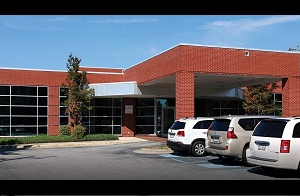
About Alcohol And Drug Services – Ads
Adults 18 and over can be admitted to Alcohol and Drug Services. ADS is a nonprofit treatment provider in Greensboro, North Carolina. Priority admission goes to people who inject drugs and to pregnant women who use substances.
What does the opioid program include?
The opioid treatment program at ADS uses methadone (a medication for opioid dependency) or buprenorphine with individual and group counseling. Random drug testing is part of that program too.
Psychiatric evaluation and medication therapy are available when a co-occurring disorder such as depression is also present.
When are walk-in hours in Greensboro?
ADS offers walk-in hours from 6:00 am to 10:00 am on Monday to Friday for opioid treatment.
How long has the program run?
In the Triad, in North Carolina ADS opened an opioid treatment program in 1978. The work has continued for over 35 years and the program holds CARF accreditation. ADS also belongs to the VA Community Care Network.
Medicare and Medicaid are accepted at the center. If you don’t qualify for Medicaid or for state funding, self pay is available, and some insurance is accepted too.
| Levels of Care | Detox Service Setting | Programs | Payment Options | Medications Offered | |
|---|---|---|---|---|---|
|
Outpatient treatment programs at Alcohol and Drug Services are for adults who meet diagnostic criteria for a substance use disorder. |
|||||
|
Inpatient detox occurs in a dedicated treatment facility. You’ll live there around the clock and receive intensive medical support and supervision to help manage your withdrawal symptoms. It is suitable for individuals with moderate to severe addictions as it ensures a stable detox environment. |
Medication treatment here means the opioid treatment program, which pairs methadone or buprenorphine with ongoing group and individual outpatient counseling. |
||||
|
Adults who meet diagnostic criteria for a substance use disorder can enter outpatient treatment. The opioid treatment program requires clients to be 18 or older. |
Young adult programs are designed for individuals who are transitioning into adulthood. Topics of discussion typically include identity, independence, and peer relationships. Providers may also offer life-skills training and career support.
|
Senior programs address the unique needs of older adults like chronic pain, grief, and isolation. Programs include peer support and medical oversight for age-related health concerns. The goal is to improve quality of life and promote sober aging.
|
Women's programs offer a safe and supportive space to focus on gender-specific issues such as trauma, family roles, and mental health conditions. Therapists tailor the sessions to address women's needs and foster empowerment in a healing and nurturing environment.
|
Men's programs address substance use while also considering the social pressures, family roles, and mental health concerns that are specific to men. You’ll learn healthy coping mechanisms as you build emotional resilience and develop communication skills.
|
|
|
Self Pay
|
Medicaid
|
Medicare
|
State Family Services
|
Private Insurance
|
Sliding Scale Payment
|
|
Methadone
|
Buprenorphine
|
Suboxone
|
Levels of Care
Outpatient treatment programs at Alcohol and Drug Services are for adults who meet diagnostic criteria for a substance use disorder.
Detox Service Setting
Inpatient detox occurs in a dedicated treatment facility. You’ll live there around the clock and receive intensive medical support and supervision to help manage your withdrawal symptoms. It is suitable for individuals with moderate to severe addictions as it ensures a stable detox environment.
Medication treatment here means the opioid treatment program, which pairs methadone or buprenorphine with ongoing group and individual outpatient counseling.
Programs
Adults who meet diagnostic criteria for a substance use disorder can enter outpatient treatment. The opioid treatment program requires clients to be 18 or older.
Medications Offered
Accreditations


Contact


- Monday 5:30AM - 2:30PM
- Tuesday 5:30AM - 2:30PM
- Wednesday 5:30AM - 2:30PM
- Thursday 5:30AM - 2:30PM
- Friday 5:30AM - 2:30PM
- Saturday 6:30AM - 9:15AM
- Sunday 6:30AM - 9:15AM

Patti Croft has content writing experience in several areas, including health and fitness, cybersecurity, and animal care. She is passionate about mental health and addiction treatment and strives to share information that is enjoyable and accessible. She loves reading, consuming too much coffee, and spending time with her friends and pets.
Detox.com regularly reviews this listing for accuracy but changes may occur between updates. For the most up-to-date information, please contact Alcohol And Drug Services – Ads.
Nearby Detox Centers



Search by North Carolina Cities
FAQs
Which medication does the opioid treatment program use for opioid dependency?
Methadone. The opioid treatment program uses methadone as opioid replacement therapy for opioid dependency. That is the medication the program currently uses for this kind of care.
What kinds of substance use care does Alcohol and Drug Services offer?
Outpatient treatment programs are for adults who meet diagnostic criteria for a substance use disorder. The opioid treatment program pairs methadone or buprenorphine with ongoing group and individual outpatient counseling.
How can you pay for care at this Greensboro program?
Medicaid or state dollars often cover outpatient programs, so fees stay minimal. If that funding does not apply, self-pay is accepted, and some insurance is too. In-network payers include Aetna, BCBS, Cigna, Humana, United Healthcare, Medicaid and Medicare.
When can you walk in for the opioid treatment program?
Walk-in hours for the opioid treatment program in Greensboro run on weekdays. The window opens at 6:00 am and closes at 10:00 am. That morning block is when walk-ins are taken.
Who gets priority for admission, and who can enter the opioid treatment program?
The opioid treatment program requires clients to be 18 or older. Priority admission goes to pregnant women who inject drugs, then pregnant women who use substances, then other people who inject drugs.