

 800-262-4205
Beacon Center

About Beacon Center
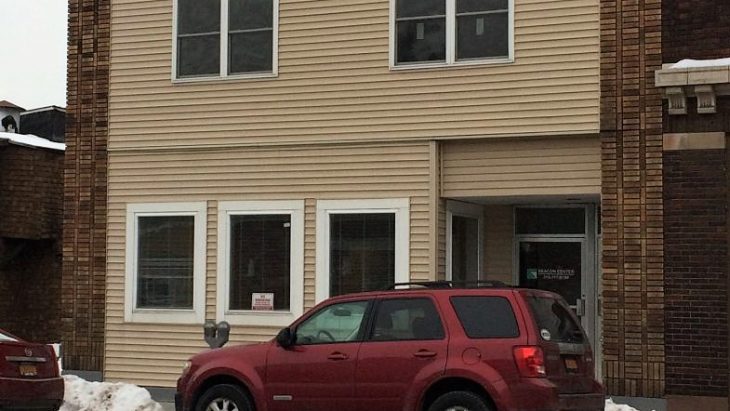
You’ll find the Beacon Center’s location in Herkimer, New York. It’s a part time addiction treatment center on the corner of South Main and Mohawk Streets. They treat adults for substance use and the mental health disorders that often come with it, such as depression, anxiety, or post traumatic stress disorder. Their clinic hours are from 9 am to 8 pm, which is helpful for those with daytime work commitments.
You’ll be treated in a peaceful, clean and comfortable environment. Herkimer is known for clear quartz crystals known as Herkimer Diamonds. Crystals and diamonds form under pressure. Here, you’ll discover that the pressures you’ve been under haven’t broken you, but made your life beautiful as your counselor affirms your worth and restores your dignity. Their goal is to help you heal with the least amount of disruption to your life.
They offer medication assisted treatment to help wean substances out of your body. They provide buprenorphine and naltrexone, depending on the addiction and its severity.
As part of your treatment, you’ll get medication to take away uncomfortable withdrawal symptoms and cravings. As you start feeling better, you may want to find ways to boost your physical well-being. Herkimer offers fantastic outdoor exercise locations for hiking, biking and rock climbing. If you’re looking for something a little different, you can go boating along the Erie Canal.
The one thing that stands out to me is their Compass Program for those with a dual diagnosis. You’ll learn to recognize how substance use changes your emotions, affects your thoughts and warps your perceptions. Using chemicals can either hide the signs of mental health distress, or trigger mental health issues. They work with you to bring clarity and healing.
| Levels of Care | Detox Service Setting | Programs | Payment Options | |||
|---|---|---|---|---|---|---|
|
Outpatient
|
Aftercare programs provide ongoing support once you complete a rehab program. They may include several components to help you maintain sobriety, including therapy, community support groups, and relapse-prevention strategies. This gives you a network of resources as you reintegrate into daily life. |
Intensive Outpatient
|
||||
|
Outpatient detox gives you access to medically supervised withdrawal services while still allowing you to live at home. You’ll attend a clinic for treatment and monitoring. This flexible option is suitable for those with mild to moderate withdrawal symptoms who have strong support systems. |
Medication assisted treatment combines medication and counseling to manage withdrawal and reduce cravings for opioid and alcohol addiction. Medications may include methadone, buprenorphine or naltrexone. MAT is tailored to your needs so you can actively participate in your treatment journey. |
|||||
|
Adult programs include job support and life skills training in a structured environment. Services are designed to address the substance use and life challenges specific to adults. Therapy sessions happen in individual, group and family settings.
|
Alcohol detox programs offer medical support to help individuals withdraw safely from alcohol. Your care team may use medications to ease your symptoms, and they may provide medical monitoring to address complications.
|
Drug detox programs support individuals who are withdrawing from addictive substances like cocaine and heroin. Medical support helps you manage symptoms in a controlled and safe environment so you can achieve initial sobriety.
|
Men's programs address substance use while also considering the social pressures, family roles, and mental health concerns specific to men. Participants learn healthy coping mechanisms, build emotional resilience, and develop communication skills.
|
Opioid detox uses medications to ease severe withdrawal symptoms. It includes medical supervision to help you manage potential complications. These services allow you to stabilize safely and begin a recovery plan.
|
Women's programs offer a safe and supportive space to focus on gender-specific issues such as trauma, family roles, and mental health conditions. Therapists tailor the sessions to address women's needs and foster empowerment in a healing and nurturing environment.
|
Young adult programs are designed for individuals who are transitioning into adulthood. Topics of discussion typically include identity, independence, and peer relationships. Providers may also offer life-skills training and career support.
|
|
Payment Assistance
|
Medicaid
|
Private Insurance
|
Self Pay
|
Levels of Care
Aftercare programs provide ongoing support once you complete a rehab program. They may include several components to help you maintain sobriety, including therapy, community support groups, and relapse-prevention strategies. This gives you a network of resources as you reintegrate into daily life.
Detox Service Setting
Outpatient detox gives you access to medically supervised withdrawal services while still allowing you to live at home. You’ll attend a clinic for treatment and monitoring. This flexible option is suitable for those with mild to moderate withdrawal symptoms who have strong support systems.
Medication assisted treatment combines medication and counseling to manage withdrawal and reduce cravings for opioid and alcohol addiction. Medications may include methadone, buprenorphine or naltrexone. MAT is tailored to your needs so you can actively participate in your treatment journey.
Programs
Amenities
Accreditations

Accepted Insurance
Contact


- Monday 8AM - 6PM
- Tuesday 8AM - 6PM
- Wednesday 8AM - 6PM
- Thursday 8AM - 6PM
- Friday 8AM - 6PM

Writer by day and author by night, Dianne has written more than a dozen novels. Her goal is to see people set free to live their best lives as whole, happy, and fulfilled. Writing about addiction recovery is a natural extension of her heart.

Peter W.Y. Lee is a historian with a focus in American Cold War culture. He has examined how popular culture has served as a coping mechanism for the challenges and changes impacting American society throughout the twentieth century.
Detox.com regularly reviews this listing for accuracy but changes may occur between updates. For the most up-to-date information, please contact Beacon Center.
Nearby Detox Centers

Search by New York Cities
FAQs
What detox and treatment programs does Beacon Center offer in Herkimer?
Beacon Center in Herkimer provides outpatient substance use treatment including an Intensive Outpatient Program (IOP), standard outpatient counseling, and Medication-Assisted Treatment (MAT). The facility is a New York State OASAS-licensed outpatient clinic specializing in drug, opioid, and alcohol detox services.
How does Medication-Assisted Treatment work at Beacon Center?
Beacon Center’s MAT program combines FDA-approved medications with counseling and behavioral therapies to treat opioid and alcohol use disorders. The medication management reduces cravings and withdrawal symptoms while clients receive ongoing counseling and support integrated throughout their treatment.
What is Beacon Center's Intensive Outpatient Program and how does it work?
Beacon Center’s IOP is a structured treatment program for individuals who need more support than traditional outpatient care but do not require inpatient hospitalization. Clients attend sessions several days per week while living at home and maintaining work, school, and family responsibilities.
What therapies and counseling services are included in Beacon Center's treatment?
Beacon Center offers individual and group counseling focused on developing coping skills and relapse prevention. IOP includes group therapy sessions on relapse prevention strategies and building recovery support networks to help clients develop the skills needed for lasting recovery.
Can someone receive treatment at Beacon Center while maintaining work and family responsibilities?
Yes. Beacon Center’s outpatient programs, including IOP and MAT services, are specifically designed to allow clients to live at home and maintain daily work, school, and family responsibilities while receiving structured substance use treatment and counseling support.