

 800-262-4205
Bridge Back to Life Center
About Bridge Back to Life Center
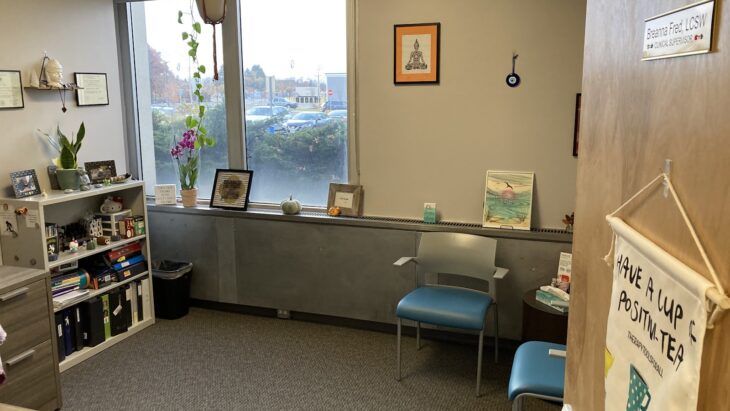
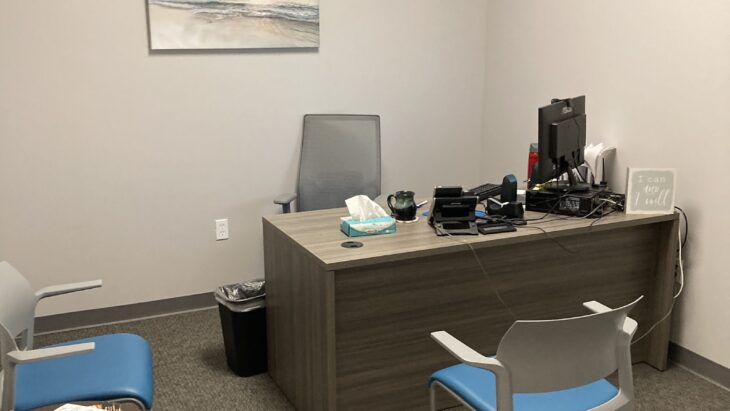
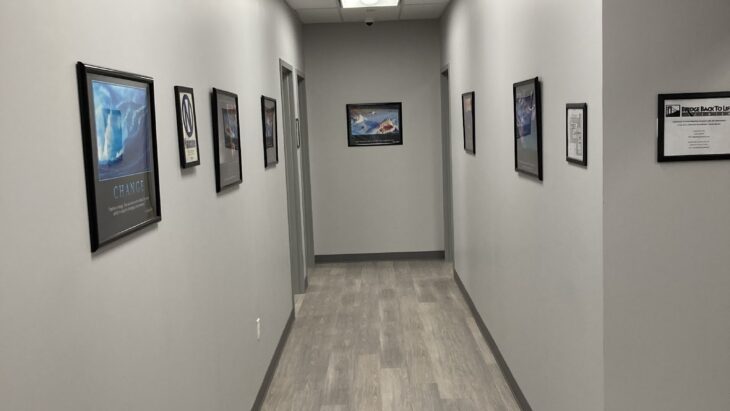
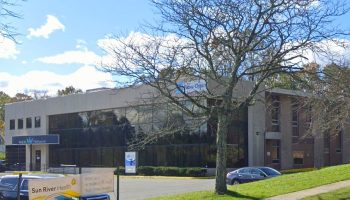
Bridge Back To Life’s Nassau-Suffolk Center is in Bethpage, New York. It’s a part time addiction and counseling facility for adults and adolescents. Bethpage is a golfing mecca with no less than five 18-hole golf courses. Finding the right treatment to help you overcome addiction is like nailing a hole in one. Here you’ll be treated in an office setting where you’ll get counseling and addiction medications.
What stands out to me is their Impaired Professionals Program. They welcome those who work in healthcare, social welfare and the legal sector for addiction recovery. As a professional, your treatment will focus on the unique stress and responsibility you carry daily. They’ll help you recognize what motivates your addictive behaviors and develop healthy responses.
They have a dedicated program that caters to the needs of those who identify as LGBTQ. You’ll get targeted counseling and trusted therapy methods, such as cognitive behavioral therapy (CBT) and motivational interviewing (MI). You’ll be surrounded by understanding and encouragement as you join the LGBTQ peer support community.
If you’re involved with the law for driving while intoxicated, they do OASAS evaluations, screening and assessments. You’ll be able to join a counseling group to work through the information required by the court.
Recovery in Bethpage gives you many opportunities to pick up new sober living hobbies. If you’re not a golfer, try Bethpage State Park. Pack a picnic basket, play a few tennis matches or lead a horse down bridle paths. Are you an adventurer at heart? They have hiking and biking trails, as well as cross-country skiing.
| Levels of Care | Detox Service Setting | Programs | Payment Options | Medications Offered | ||||||
|---|---|---|---|---|---|---|---|---|---|---|
|
In outpatient therapy, you’ll attend therapy sessions several times each week while living at home. This is ideal if you have a strong support system and a lower risk of relapse. Outpatient treatment offers flexibility to maintain work, school or family obligations. |
Intensive Outpatient
|
Dual diagnosis programs address substance use disorders and co-occurring mental health conditions simultaneously. This integrated approach to care improves the likelihood of long term recovery and stability by addressing the root causes of addiction. |
||||||||
|
Outpatient detox gives you access to medically supervised withdrawal services while still allowing you to live at home. You’ll attend a clinic for treatment and monitoring. This flexible option is suitable for those with mild to moderate withdrawal symptoms who have strong support systems. |
Medication assisted treatment combines medication and counseling to manage withdrawal and reduce cravings for opioid and alcohol addiction. Medications may include methadone, buprenorphine or naltrexone. MAT is tailored to your needs so you can actively participate in your treatment journey. |
|||||||||
|
Teen (13 - 18)
|
Adult programs address the substance use and life challenges specific to adults. Therapists can deliver sessions in individual, group and family settings. Services often include job support and life skills training in a structured environment. |
Women’s programs offer a safe and supportive space to focus on gender specific issues such as trauma, family roles and mental health conditions. Therapists tailor the sessions to address women’s needs and foster empowerment in a healing and nurturing environment. |
Men’s programs address substance use while also considering the social pressures, family roles and mental health concerns that are specific to men. You’ll learn healthy coping mechanisms as you build emotional resilience and develop communication skills. |
Military and veteran programs offer specialized support for clients who served in the armed services. Programs focus on reintegration and healing within a structured and supportive environment that acknowledges the unique struggles of military life. |
Senior programs address the unique needs of older adults like chronic pain, grief and isolation. Programs include peer support and medical oversight for age related health concerns. The goal is to improve quality of life and promote sober aging. |
LGBTQ friendly programs create an inclusive and affirming space for recovery. Treatment is sensitive to issues like discrimination and stigma. You’ll receive support and therapy that respects and acknowledges your unique experiences. |
Opioid detox uses medications to ease severe withdrawal symptoms. It also includes medical supervision to help you manage potential complications. These services allow you to stabilize and begin a recovery plan. |
Drug detox programs support individuals who are withdrawing from addictive substances like cocaine and heroin. Medical support helps you manage symptoms in a controlled and safe environment so you can achieve initial sobriety. |
Alcohol detox programs offer medical support to help individuals withdraw safely from alcohol. Your care team may use medications to ease your symptoms and provide medical monitoring to address complications. |
Cognitive behavioral therapy focuses on changing harmful thought patterns and behaviors associated with addiction. You’ll learn healthier coping mechanisms by identifying and replacing negative thoughts. This improves your emotional resilience and decreases your relapse potential. |
|
Medicaid
|
Medicare
|
Self Pay
|
Private Insurance
|
Military Insurance
|
||||||
|
Methadone
|
Buprenorphine
|
Naltrexone (Vivitrol)
|
Levels of Care
In outpatient therapy, you’ll attend therapy sessions several times each week while living at home. This is ideal if you have a strong support system and a lower risk of relapse. Outpatient treatment offers flexibility to maintain work, school or family obligations.
Dual diagnosis programs address substance use disorders and co-occurring mental health conditions simultaneously. This integrated approach to care improves the likelihood of long term recovery and stability by addressing the root causes of addiction.
Detox Service Setting
Outpatient detox gives you access to medically supervised withdrawal services while still allowing you to live at home. You’ll attend a clinic for treatment and monitoring. This flexible option is suitable for those with mild to moderate withdrawal symptoms who have strong support systems.
Medication assisted treatment combines medication and counseling to manage withdrawal and reduce cravings for opioid and alcohol addiction. Medications may include methadone, buprenorphine or naltrexone. MAT is tailored to your needs so you can actively participate in your treatment journey.
Programs
Adult programs address the substance use and life challenges specific to adults. Therapists can deliver sessions in individual, group and family settings. Services often include job support and life skills training in a structured environment.
Women’s programs offer a safe and supportive space to focus on gender specific issues such as trauma, family roles and mental health conditions. Therapists tailor the sessions to address women’s needs and foster empowerment in a healing and nurturing environment.
Men’s programs address substance use while also considering the social pressures, family roles and mental health concerns that are specific to men. You’ll learn healthy coping mechanisms as you build emotional resilience and develop communication skills.
Military and veteran programs offer specialized support for clients who served in the armed services. Programs focus on reintegration and healing within a structured and supportive environment that acknowledges the unique struggles of military life.
Senior programs address the unique needs of older adults like chronic pain, grief and isolation. Programs include peer support and medical oversight for age related health concerns. The goal is to improve quality of life and promote sober aging.
LGBTQ friendly programs create an inclusive and affirming space for recovery. Treatment is sensitive to issues like discrimination and stigma. You’ll receive support and therapy that respects and acknowledges your unique experiences.
Opioid detox uses medications to ease severe withdrawal symptoms. It also includes medical supervision to help you manage potential complications. These services allow you to stabilize and begin a recovery plan.
Drug detox programs support individuals who are withdrawing from addictive substances like cocaine and heroin. Medical support helps you manage symptoms in a controlled and safe environment so you can achieve initial sobriety.
Alcohol detox programs offer medical support to help individuals withdraw safely from alcohol. Your care team may use medications to ease your symptoms and provide medical monitoring to address complications.
Cognitive behavioral therapy focuses on changing harmful thought patterns and behaviors associated with addiction. You’ll learn healthier coping mechanisms by identifying and replacing negative thoughts. This improves your emotional resilience and decreases your relapse potential.
Medications Offered
Amenities
Accreditations

Accepted Insurance
Contact


- Tuesday 9AM - 9PM
- Wednesday 9AM - 9PM
- Thursday 9AM - 9PM
- Friday 9AM - 9PM
- Saturday 9AM - 1PM

SEO writer by day and author by night, Dianne has written over a dozen novels and hundreds of articles. Her goal for both fiction and content creation is the same: to see people set free to live their best lives. Writing about addiction recovery is a natural extension of her heart – for people to live lives that are whole, happy and fulfilled.

Peter W.Y. Lee is a historian with a focus in American Cold War culture. He has examined how popular culture has served as a coping mechanism for the challenges and changes impacting American society throughout the twentieth century.
Detox.com regularly reviews this listing for accuracy but changes may occur between updates. For the most up-to-date information, please contact Bridge Back to Life Center.
Nearby Detox Centers
Search by New York Cities
FAQs
What detox and treatment services does Bridge Back to Life Center offer?
Bridge Back to Life Center provides outpatient substance use treatment including an Intensive Outpatient Program (IOP), standard outpatient counseling, and Medication-Assisted Treatment (MAT). Services include individual and group counseling, family counseling, and cognitive behavioral therapy. The center treats alcohol, opioid, and drug addiction for adults.
Does Bridge Back to Life Center in Bethpage offer medication-assisted treatment?
Yes, the center offers Medication-Assisted Treatment (MAT) as part of its outpatient programs. Specific MAT medications available include Suboxone and Vivitrol for individuals struggling with opioid and alcohol dependence. Staff can discuss which medication option fits an individual’s treatment plan.
What insurance plans does Bridge Back to Life Center accept?
Bridge Back to Life Center accepts most major insurance plans, including Blue Cross Blue Shield, Medicaid, Medicare, and UnitedHealth Group. The facility recommends contacting the center to verify specific coverage and benefits before starting treatment, as plans vary by individual.
Does Bridge Back to Life Center treat co-occurring mental health conditions?
Yes, the center provides dual diagnosis treatment for individuals experiencing substance use disorders along with mental health conditions. Clinicians address co-occurring mental health issues as part of an individualized treatment plan to support long-term recovery.
What is the difference between IOP and outpatient programs at Bridge Back to Life?
The Intensive Outpatient Program (IOP) provides structured treatment with more frequent visits while allowing individuals to maintain daily responsibilities. The standard outpatient program offers more flexible scheduling for those seeking recovery support while continuing work, school, or family obligations.
Can someone work or attend school while in treatment at Bridge Back to Life Center?
Yes, Bridge Back to Life Center’s outpatient programs are designed for individuals balancing recovery with work, school, or family obligations. Both the IOP and standard outpatient program offer structured treatment with flexible scheduling to accommodate daily responsibilities.