800-262-4205
Catholic Charities Outpatient Clinic
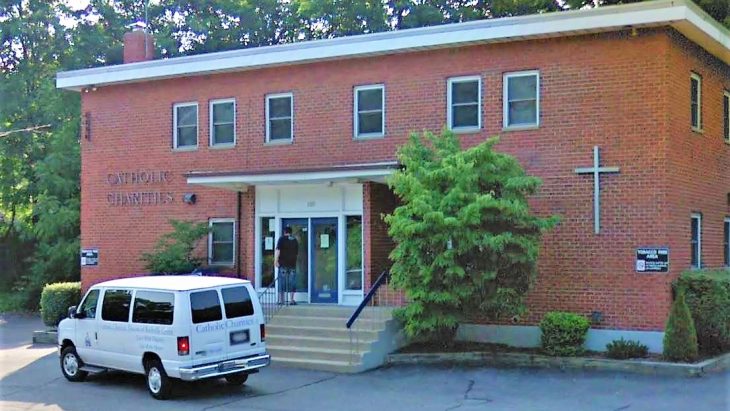
About Catholic Charities Outpatient Clinic
Catholic Charities Outpatient Clinic is a nonprofit addiction treatment center in Commack, New York, that provides comprehensive outpatient services for adults and young adults ages 18 years and older. The clinic offers standard outpatient counseling, intensive outpatient programming and outpatient medication assisted treatment to support individuals recovering from alcohol, drug and opioid use disorders.
As part of Catholic Charities Diocese of Rockville Centre, the program welcomes individuals from all backgrounds and beliefs and delivers care through a respectful, compassionate and evidence based approach.
Outpatient Addiction Treatment Programs
Treatment begins with a comprehensive assessment to determine the most appropriate level of care. This may include regular outpatient counseling, intensive outpatient programming or medication assisted treatment using buprenorphine or naltrexone. The clinic also provides DWI assessments, court mandated treatment groups, aftercare services and educational programs to support long term recovery.
Combination of Evidence Based Treatment Options
Clients participate in a combination of individual counseling, group therapy, and family or couples counseling that is tailored to their specific needs. The clinical team uses cognitive behavioral therapy, dialectical behavioral therapy, motivational interviewing, and trauma informed care to address substance use and co-occurring mental health conditions. Specialized services are also available for family members, including spouses, adult children of individuals with alcohol dependence, and co dependents affected by a loved one’s addiction.
Key Features of Catholic Charities Outpatient Clinic
- Levels of Care: Outpatient, intensive outpatient, and medication assisted treatment using buprenorphine and naltrexone
- Who They Treat: Adults and young adults ages 18 and older, including individuals with co-occurring mental health conditions and histories of trauma or domestic violence
- Treatment Approach: Evidence based therapies, including cognitive behavioral therapy, dialectical behavioral therapy, motivational interviewing, and relapse prevention, with bilingual services in English and Spanish
- Payment Options: Medicaid, Medicare, most commercial insurance plans, including Blue Cross Blue Shield, Aetna, Cigna, and United, sliding scale fees, and self payment options
- Recovery Support: Housing assistance, peer mentoring, recovery coaching, naloxone education, and follow up support after discharge
| Levels of Care | Detox Service Setting | Programs | Payment Options | |||
|---|---|---|---|---|---|---|
|
Outpatient
|
Aftercare programs provide ongoing support once you complete a rehab program. They may include several components to help you maintain sobriety, including therapy, community support groups, and relapse-prevention strategies. This gives you a network of resources as you reintegrate into daily life. |
Dual Diagnosis
|
||||
|
Outpatient detox gives you access to medically supervised withdrawal services while still allowing you to live at home. You’ll attend a clinic for treatment and monitoring. This flexible option is suitable for those with mild to moderate withdrawal symptoms who have strong support systems. |
||||||
|
Adult programs include job support and life skills training in a structured environment. Services are designed to address the substance use and life challenges specific to adults. Therapy sessions happen in individual, group and family settings.
|
Alcohol detox programs offer medical support to help individuals withdraw safely from alcohol. Your care team may use medications to ease your symptoms, and they may provide medical monitoring to address complications.
|
Drug detox programs support individuals who are withdrawing from addictive substances like cocaine and heroin. Medical support helps you manage symptoms in a controlled and safe environment so you can achieve initial sobriety.
|
Men's programs address substance use while also considering the social pressures, family roles, and mental health concerns specific to men. Participants learn healthy coping mechanisms, build emotional resilience, and develop communication skills.
|
Opioid detox uses medications to ease severe withdrawal symptoms. It includes medical supervision to help you manage potential complications. These services allow you to stabilize safely and begin a recovery plan.
|
Women's programs offer a safe and supportive space to focus on gender-specific issues such as trauma, family roles, and mental health conditions. Therapists tailor the sessions to address women's needs and foster empowerment in a healing and nurturing environment.
|
Young adult programs are designed for individuals who are transitioning into adulthood. Topics of discussion typically include identity, independence, and peer relationships. Providers may also offer life-skills training and career support.
|
|
Payment Assistance
|
Medicaid
|
Medicare
|
Private Insurance
|
Self Pay
|
Levels of Care
Aftercare programs provide ongoing support once you complete a rehab program. They may include several components to help you maintain sobriety, including therapy, community support groups, and relapse-prevention strategies. This gives you a network of resources as you reintegrate into daily life.
Detox Service Setting
Outpatient detox gives you access to medically supervised withdrawal services while still allowing you to live at home. You’ll attend a clinic for treatment and monitoring. This flexible option is suitable for those with mild to moderate withdrawal symptoms who have strong support systems.
Programs
Accepted Insurance



Contact



Gayle Morris, BSN, MSN, received her bachelor’s degree from the University of Illinois Chicago Medical Center and her first master’s degree from Indiana University Purdue University Indianapolis. She practiced nursing for more than two decades with a focus on pediatric physical rehabilitation, helping children and their parents after a head injury or spinal cord injury. She has been a freelance writer in health, wellness, and mental health for more than 15 years. She loves exercise, her dogs and guinea pigs, and gardening.
Detox.com regularly reviews this listing for accuracy but changes may occur between updates. For the most up-to-date information, please contact Catholic Charities Outpatient Clinic.