

 800-262-4205
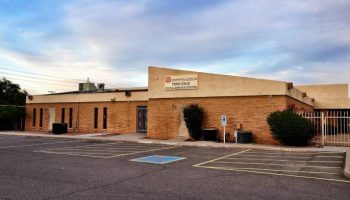
Cornerstone Healing Center – Phoenix

About Cornerstone Healing Center – Phoenix
Cornerstone Healing Center is an addiction and mental health treatment center in Phoenix, Arizona offering a full continuum of care for adults facing substance use disorders and cooccurring mental health conditions.
The center provides residential treatment, Partial Hospitalization, Intensive Outpatient and supportive housing programs.
Cornerstone emphasizes individualized care with family involvement, holistic wellness practices and long term recovery support.
CBT, DBT and Motivational Interviewing
Treatment may begin with residential inpatient care offering structure and clinical support then step down to PHP or IOP as clients gain stability and skills.
The Phoenix facility welcomes walk ins and works with clients to determine the right level of care based on individual needs and dual diagnosis assessments.
Throughout all programs, clients receive CBT, DBT and Motivational Interviewing plus holistic supports such as yoga, meditation, nutrition counseling and fitness activities.
Cornerstone’s dual diagnosis capabilities address addiction alongside anxiety, depression, trauma, bipolar disorder and other mental health conditions with aftercare planning and recovery coaching available for up to one year post admission.
What to Know
- Location: West Phoenix on Indian School Road, accessible to metro Phoenix and surrounding communities
- Levels of care: Residential treatment, PHP, IOP and supportive housing options
- Who they treat: Adults with substance use disorders and cooccurring mental health diagnoses
- Payment options: Accepts AHCCCS, Medicaid, Medicare, private insurance, military insurance, sliding scale and self pay
- Amenities: Residential setting with WiFi, yoga studio and dedicated group and counseling spaces
- Long term support: Recovery coaching for up to one year, alumni programming and relapse prevention planning
| Levels of Care | Detox Service Setting | Programs | Payment Options | ||||||
|---|---|---|---|---|---|---|---|---|---|
|
Residential rehab here runs on 24/7 structured care, so clients live on site for the length of the program rather than going home. |
Outpatient suits the later stretch of treatment, and it also fits a person who has a strong support system waiting at home. |
Dual diagnosis here means mental health and substance use get treated together, inside a single integrated plan rather than separate tracks. |
PHP is the heaviest outpatient level here, with structured daytime treatment five or six days a week and no overnight stay. |
Aftercare runs through the Sober Coaching Navigation Program, which helps with practical things like grocery shopping, job applications and resume building. |
An intervention is a structured and professionally guided conversation with an individual who is struggling with addiction. During the conversation, family and friends will encourage you to seek treatment. This is often a pivotal step for those resistant to getting help. |
||||
|
Hospital detoxification allows you to withdraw from drugs or alcohol in a hospital setting. It’s ideal for people with severe withdrawal symptoms or complex medical needs. You’ll receive constant monitoring, emergency care if needed and FDA approved prescription medications. |
Inpatient detox occurs in a dedicated treatment facility. You’ll live there around the clock and receive intensive medical support and supervision to help manage your withdrawal symptoms. It is suitable for individuals with moderate to severe addictions as it ensures a stable detox environment. |
Outpatient detox gives you access to medically supervised withdrawal services while still allowing you to live at home. You’ll attend a clinic for treatment and monitoring. This flexible option is suitable for those with mild to moderate withdrawal symptoms who have strong support systems. |
Medication assisted treatment combines medication and counseling to manage withdrawal and reduce cravings for opioid and alcohol addiction. Medications may include methadone, buprenorphine or naltrexone. MAT is tailored to your needs so you can actively participate in your treatment journey. |
||||||
|
Adults are served in Arizona alongside teens, with mental health and addiction programs for both. |
Alcohol detox programs offer medical support to help individuals withdraw safely from alcohol. Your care team may use medications to ease your symptoms and provide medical monitoring to address complications.
|
Opioid detox uses medications to ease severe withdrawal symptoms. It also includes medical supervision to help you manage potential complications. These services allow you to stabilize and begin a recovery plan.
|
Cognitive Behavioral Therapy is among the approaches used here, listed beside DBT and trauma-informed care, with yoga and meditation as well. |
Drug detox programs support individuals who are withdrawing from addictive substances like cocaine and heroin. Medical support helps you manage symptoms in a controlled and safe environment so you can achieve initial sobriety.
|
LGBTQ friendly programs create an inclusive and affirming space for recovery. Treatment is sensitive to issues like discrimination and stigma. You’ll receive support and therapy that respects and acknowledges your unique experiences.
|
Military and veteran programs offer specialized support for clients who served in the armed services. Programs focus on reintegration and healing within a structured and supportive environment that acknowledges the unique struggles of military life.
|
Rational behavior therapy helps you identify irrational beliefs that contribute to an addiction. Challenging and modifying those beliefs helps you develop healthier attitudes and behaviors. This therapy supports long term sobriety and sustainable recovery.
|
EMDR stands for eye movement desensitization and reprocessing therapy. It helps you process traumatic memories that may underlie addiction. You’ll learn how to reduce emotional distress and begin healing from past events. This makes it effective for trauma related addiction causes.
|
Animal therapy uses interactions with animals such as dogs or horses as part of treatment. You’ll learn to develop trust, lower your anxiety levels and regulate your emotions. This provides comfort and a sense of companionship during the recovery journey.
|
|
Payment Assistance
|
Medicaid
|
Medicare
|
Military Insurance
|
Private Insurance
|
Self Pay
|
Sliding Scale Payment
|
EAP
|
Levels of Care
Residential rehab here runs on 24/7 structured care, so clients live on site for the length of the program rather than going home.
Outpatient suits the later stretch of treatment, and it also fits a person who has a strong support system waiting at home.
Dual diagnosis here means mental health and substance use get treated together, inside a single integrated plan rather than separate tracks.
PHP is the heaviest outpatient level here, with structured daytime treatment five or six days a week and no overnight stay.
Aftercare runs through the Sober Coaching Navigation Program, which helps with practical things like grocery shopping, job applications and resume building.
An intervention is a structured and professionally guided conversation with an individual who is struggling with addiction. During the conversation, family and friends will encourage you to seek treatment. This is often a pivotal step for those resistant to getting help.
Detox Service Setting
Hospital detoxification allows you to withdraw from drugs or alcohol in a hospital setting. It’s ideal for people with severe withdrawal symptoms or complex medical needs. You’ll receive constant monitoring, emergency care if needed and FDA approved prescription medications.
Inpatient detox occurs in a dedicated treatment facility. You’ll live there around the clock and receive intensive medical support and supervision to help manage your withdrawal symptoms. It is suitable for individuals with moderate to severe addictions as it ensures a stable detox environment.
Outpatient detox gives you access to medically supervised withdrawal services while still allowing you to live at home. You’ll attend a clinic for treatment and monitoring. This flexible option is suitable for those with mild to moderate withdrawal symptoms who have strong support systems.
Medication assisted treatment combines medication and counseling to manage withdrawal and reduce cravings for opioid and alcohol addiction. Medications may include methadone, buprenorphine or naltrexone. MAT is tailored to your needs so you can actively participate in your treatment journey.
Programs
Adults are served in Arizona alongside teens, with mental health and addiction programs for both.
Cognitive Behavioral Therapy is among the approaches used here, listed beside DBT and trauma-informed care, with yoga and meditation as well.
Amenities
Accreditations


Accepted Insurance



Contact


- Sunday Open 24 hours
- Monday Open 24 hours
- Tuesday Open 24 hours
- Wednesday Open 24 hours
- Thursday Open 24 hours
- Friday Open 24 hours
- Saturday Open 24 hours

Amy Greene is an award-winning novelist and essayist. Her acclaimed debut novel, Bloodroot, was a New York Times national best seller. Her second novel, Long Man, was named a Best Book of the Year by The Washington Post in 2014. Her essays have appeared in publications such as The New York Times and Glamor Magazine. She currently resides in her native East Tennessee, amid the mountains she loves. In both her fiction and her nonfiction writing, Amy is dedicated exploring complex issues of mental health and spiritual and emotional wellbeing.
Detox.com regularly reviews this listing for accuracy but changes may occur between updates. For the most up-to-date information, please contact Cornerstone Healing Center – Phoenix.
Nearby Detox Centers


Search by Arizona Cities
FAQs
What levels of care does Cornerstone Healing Center offer in Phoenix?
Residential, PHP, IOP and standard outpatient are all run here, with virtual IOP for anyone who cannot attend in person. Mental health and substance use are treated together through co-occurring disorders care, and aftercare continues through sober coaching.
How many days a week does treatment run here?
PHP meets five or six days a week during the day. IOP runs at high frequency with more flexible scheduling, built for people holding a job, school or family responsibilities. Standard outpatient is the lightest option of the lot.
Can insurance cover treatment here, and how is it checked?
Most major Arizona insurers are in network, Aetna included, and AHCCCS plans are accepted too. An insurance verification form goes to the admissions team, which checks what a plan covers and lays out the options.
When is Cornerstone Healing Center open for calls or visits?
Every day, Sunday through Saturday, morning through evening. The schedule covers the whole week rather than weekdays only, so a call at either end of the day lands inside opening hours.
Who does the Phoenix center treat?
Both adults and teens. The programs cover mental health care and addiction treatment, and the Phoenix center sits on the city’s west side, within reach of the wider metro area.