800-262-4205
Crowleys Ridge Development Council
About Crowleys Ridge Development Council
Crowley’s Ridge Development Council, Inc., is a non-profit in Jonesboro, Arkansas, that provides social support and addiction treatment services to teens and adults in northeast Arkansas. The focus is on helping individuals from low-income backgrounds, families in crisis, as well as those affected by homelessness or unstable living conditions.
Most major insurance carriers are accepted, along with state funding and sliding scale fees for eligible individuals. Other payment assistance and funding options may also be available
Prevention & Addiction Treatment Services in Craighead County
As part of its chemical dependency support initiatives, the center offers intensive outpatient programming (IOP) and standard outpatient care for substance abuse. This involves prevention, education and referral services, along with community-based interventions. Though detox services aren’t provided here, the team can help refer individuals to local facilities that can help. They do not recommend attempting detox alone for safety reasons.
Evidence Based Modalities for Treatment
Clients can access regular individual and group counseling sessions, relapse prevention, and specialized programming targeting both treatment and prevention, depending on clients’ circumstances.
Accessible Support Initiatives
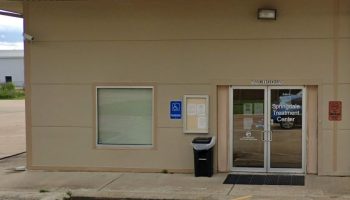
Staffed by certified counselors and various licensed professionals, this site is a support hub. The facility boasts features to accommodate individuals with disabilities, while also providing various social services. Some of these include early childhood programs, utility assistance, and housing stability support.
| Levels of Care | Detox Service Setting | Programs | Payment Options | |||
|---|---|---|---|---|---|---|
|
Inpatient and residential programs provide round-the-clock medical and emotional support as you live at the treatment facility. This level of care may be recommended if you have severe addictions or mental health conditions since it removes outside distractions and allows you to focus solely on therapy. |
In outpatient therapy, you’ll attend therapy sessions several times each week while living at home. This is ideal if you have a strong support system and a lower risk of relapse. Outpatient treatment offers flexibility to maintain work, school or family obligations. |
Sober living homes provide a supportive and substance free environment for you to live in as you overcome your addiction. Residents must follow house rules and support each other’s recovery journeys. Sober living fosters accountability and stability during this critical phase of recovery. |
||||
|
Inpatient detox occurs in a dedicated treatment facility. You’ll live there around the clock and receive intensive medical support and supervision to help manage your withdrawal symptoms. It is suitable for individuals with moderate to severe addictions as it ensures a stable detox environment. |
Outpatient detox gives you access to medically supervised withdrawal services while still allowing you to live at home. You’ll attend a clinic for treatment and monitoring. This flexible option is suitable for those with mild to moderate withdrawal symptoms who have strong support systems. |
|||||
|
Adult programs address the substance use and life challenges specific to adults. Therapists can deliver sessions in individual, group and family settings. Services often include job support and life skills training in a structured environment.
|
Alcohol detox programs offer medical support to help individuals withdraw safely from alcohol. Your care team may use medications to ease your symptoms and provide medical monitoring to address complications.
|
Drug detox programs support individuals who are withdrawing from addictive substances like cocaine and heroin. Medical support helps you manage symptoms in a controlled and safe environment so you can achieve initial sobriety.
|
Men's programs address substance use while also considering the social pressures, family roles and mental health concerns that are specific to men. You’ll learn healthy coping mechanisms as you build emotional resilience and develop communication skills.
|
Opioid detox uses medications to ease severe withdrawal symptoms. It also includes medical supervision to help you manage potential complications. These services allow you to stabilize and begin a recovery plan.
|
Women's programs offer a safe and supportive space to focus on gender specific issues such as trauma, family roles and mental health conditions. Therapists tailor the sessions to address women's needs and foster empowerment in a healing and nurturing environment.
|
Young adult programs are designed for individuals who are transitioning into adulthood. Topics of discussion typically include identity, independence and peer relationships. Providers may also offer life skills training and career support.
|
|
Self Pay
|
Levels of Care
Inpatient and residential programs provide round-the-clock medical and emotional support as you live at the treatment facility. This level of care may be recommended if you have severe addictions or mental health conditions since it removes outside distractions and allows you to focus solely on therapy.
In outpatient therapy, you’ll attend therapy sessions several times each week while living at home. This is ideal if you have a strong support system and a lower risk of relapse. Outpatient treatment offers flexibility to maintain work, school or family obligations.
Sober living homes provide a supportive and substance free environment for you to live in as you overcome your addiction. Residents must follow house rules and support each other’s recovery journeys. Sober living fosters accountability and stability during this critical phase of recovery.
Detox Service Setting
Inpatient detox occurs in a dedicated treatment facility. You’ll live there around the clock and receive intensive medical support and supervision to help manage your withdrawal symptoms. It is suitable for individuals with moderate to severe addictions as it ensures a stable detox environment.
Outpatient detox gives you access to medically supervised withdrawal services while still allowing you to live at home. You’ll attend a clinic for treatment and monitoring. This flexible option is suitable for those with mild to moderate withdrawal symptoms who have strong support systems.
Programs
Accreditations

Contact



Lauren wears many hats, and works as a holistic deep tissue massage therapist, content strategist, and copywriter. She’s been writing copy and dreaming up content for a number of brands for almost 10 years, having worked with a mixture of B2B and B2C brand. Some of her more notable clients include adidas, Gucci, Pepsi, and Hotels.com. A skilled editor and copywriter, she also enjoys planning content for social media and brand marketing campaigns.

Gayle Morris, BSN, MSN, received her bachelor’s from the University of Illinois Chicago Medical Center and her first master’s from the Indiana University Purdue University Indianapolis. She practiced nursing for over two decades with a focus on pediatric physical rehabilitation, which required mental health skills to help children, and their parents work through new challenges after a head injury or spinal cord injury. She has been a freelance writer in health, wellness, and mental health for over 15 years. She loves exercise, her dogs and guinea pigs, and gardening.
Detox.com regularly reviews this listing for accuracy but changes may occur between updates. For the most up-to-date information, please contact Crowleys Ridge Development Council.