

 800-262-4205
Erie VA Medical Center Behavioral Health Clinic

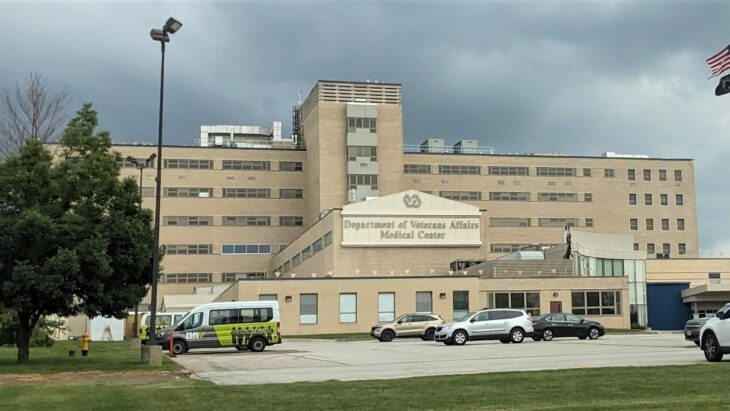

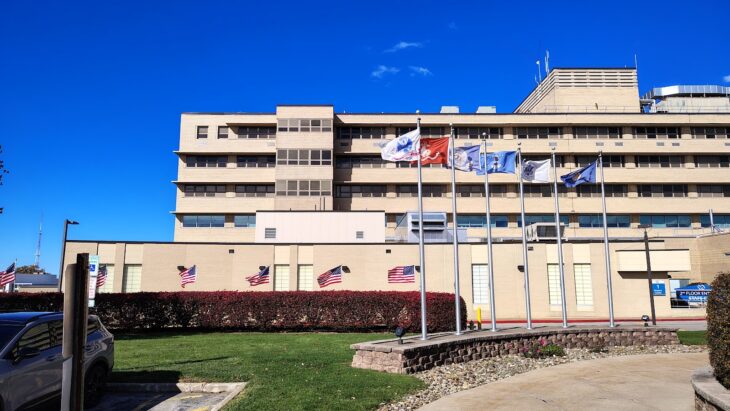
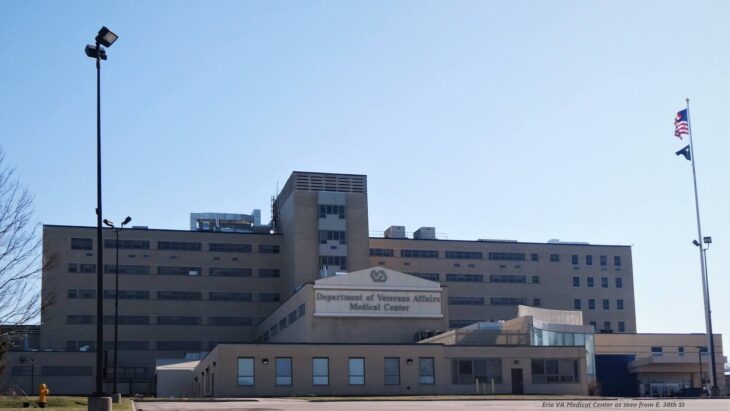
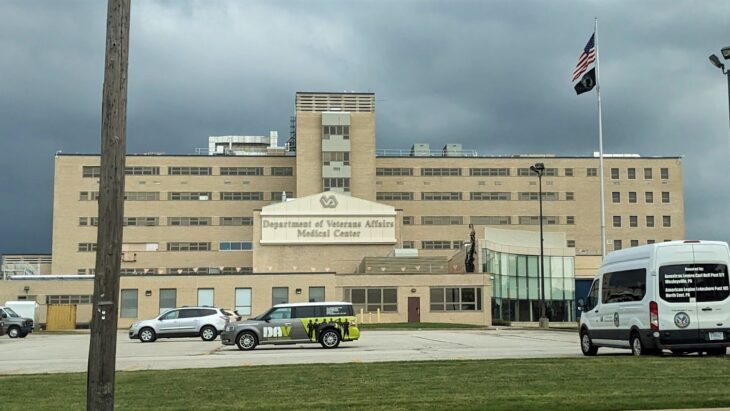


About Erie VA Medical Center Behavioral Health Clinic
Erie VA Medical Center provides integrated primary care and behavioral health support alongside specialty health care services. They serve veterans in Erie, Pennsylvania and neighboring communities. Their behavioral and specialty health services support veterans with mental health needs, LGBTQ+ care and those facing homelessness.
These services incorporate treatment for addictive behavior and substance use disorder. These may involve individual and group therapy that uses evidence based models to uncover the root causes of your substance misuse. Models like cognitive and dialectical behavioral therapy equip you with practical tools to handle stress and manage emotions. They help you break unhealthy behavioral patterns and build healthier coping skills necessary for sober living.
What’s really cool is that you can receive this addiction therapy in the comfort of your home. This is possible through their secured telehealth services including videoconferencing and home telehealth services. This optimizes convenience and saves costs. They’ll provide medication-assisted treatment (MAT) if you’re dealing with opioid dependence or alcoholism. These techniques use meds alongside counseling to help manage symptoms and support your recovery.
They can even help you overcome co-occurring disorders. This is when someone is dealing with addictive behavior and mental issues. The treatment for this condition combines addiction therapy and psychiatric care like medication management.
The overall recovery program can be complemented by their whole health care to ensure holistic healing. This involves meditation/mindfulness training, massage therapy and acupuncture. Yoga, tai chi and qigong classes are all aspects of this program. Combining these with traditional clinical methods is a sure way to tackle your behavioral challenges and improve your health and well being.
You can also benefit from their broad social support services. For instance, the homeless veteran’s care can be a lifesaver if you’re homeless or at risk of homelessness due to substance misuse. You may receive financial support, transitional or permanent housing and job training/life skills development. Their veteran’s readiness and employment program is also quite compelling.
This program involves personalized support, counseling and training focused on vocational skills development. They can match your skills with a specific job and provide supervision as necessary. They can equally help you find a job at their partner industry and government agencies.
These services are very affordable. Their multiple funding options make it easy to pay. These include private and public insurance like Medicare, Medicaid and TRICARE. If you’re uninsured, you can pay out of pocket in person, online or via mail. I especially like that you can qualify for care in this facility even if you’re not enrolled in VA health care. They provide same day help and support walk-in express care for urgent health.
| Levels of Care | Detox Service Setting | Programs | Payment Options | ||||||
|---|---|---|---|---|---|---|---|---|---|
|
Inpatient and residential programs provide round-the-clock medical and emotional support as you live at the treatment facility. This level of care may be recommended if you have severe addictions or mental health conditions, because it offers a distraction-free environment where you can focus solely on recovery. |
Partial hospitalization programs provide comprehensive treatment in a structured setting during the day but allow you to return home at night. These programs offer a level of care balanced between inpatient and outpatient rehab. They offer intensive support without full-time residency. |
Outpatient therapy involves attending therapy sessions several times each week while living at home. This is suitable if you have a strong support system and a lower risk of relapse. Outpatient treatment offers flexibility to maintain other obligations such as work or school. |
Aftercare programs provide ongoing support for those who have completed a rehab program. These supports may include therapy, community groups and relapse prevention strategies. These resources give you a network of support as you reintegrate into daily life. |
Dual diagnosis programs address substance use disorders and co-occurring mental health conditions simultaneously. By addressing the root cause of addiciton, this approach improves the likelihood of long-term recovery and stability. |
|||||
|
Inpatient detox occurs in a dedicated treatment facility. Participants live at the facility around the clock and receive intensive medical support and supervision to help alleviate withdrawal symptoms. This setting is suitable for individuals with moderate to severe addictions, as it ensures a stable detox environment. |
Outpatient detox provides access to medically supervised withdrawal services while still allowing the individual to live at home. Treatment and monitoring are provided. This flexible option is suitable for those with mild to moderate withdrawal symptoms who have strong support systems. |
Medication-assisted treatment combines medication and counseling to manage withdrawal and reduce cravings. FDA-approved medications include methadone, buprenorphine, and naltrexone. MAT is tailored to each person’s needs, so they can actively participate in treatment. |
|||||||
|
Adult programs address the substance use and life challenges specific to adults. Therapists often deliver sessions in individual, group, and family settings. Job support and life skills training can also be provided.
|
Alcohol detox programs offer medical support to achieve safe withdraw from alcohol. Your care team may use medications to ease withdrawal symptoms. They also provide medical monitoring to address complications.
|
Cognitive behavioral therapy focuses on changing harmful thought patterns and behaviors associated with addiction. Participants learn healthier coping mechanisms by identifying and replacing negative thoughts. This improves emotional resilience and lowers the risk of relapse.
|
LGBTQ-friendly programs create an inclusive and affirming space for recovery. Treatment is sensitive to issues like discrimination and stigma. Participants receive support and therapy that respects and acknowledges your unique experiences.
|
Men's programs address substance use issues as well as social pressures, family roles, and mental health concerns that are specific to men. Participants learn healthy coping mechanisms, emotional resilience, and communication skills.
|
Military / Veterans
|
Opioid detox uses medications to ease severe withdrawal symptoms. It also includes medical supervision to manage potential complications. These services allow individuals to stabilize and start a recovery plan.
|
Senior programs address the unique needs of older adults, such as chronic pain and grief. Programs include peer support and medical oversight for age-related health concerns. The goal of these programs is to improve quality of life and promote sobriety as people age.
|
Women's programs offer a safe and supportive space to focus on gender-specific issues such as trauma, family roles, and mental health conditions. Therapy sessions address women's needs and foster empowerment in a healing and nurturing environment.
|
Young adult programs are designed for individuals who are transitioning into adulthood. Discussion topics typically include identity, independence, and peer relationships. Participants may also receive life skills training and career support.
|
|
Payment Assistance
|
Military Insurance
|
Self Pay
|
Medicaid
|
Medicare
|
Levels of Care
Inpatient and residential programs provide round-the-clock medical and emotional support as you live at the treatment facility. This level of care may be recommended if you have severe addictions or mental health conditions, because it offers a distraction-free environment where you can focus solely on recovery.
Partial hospitalization programs provide comprehensive treatment in a structured setting during the day but allow you to return home at night. These programs offer a level of care balanced between inpatient and outpatient rehab. They offer intensive support without full-time residency.
Outpatient therapy involves attending therapy sessions several times each week while living at home. This is suitable if you have a strong support system and a lower risk of relapse. Outpatient treatment offers flexibility to maintain other obligations such as work or school.
Aftercare programs provide ongoing support for those who have completed a rehab program. These supports may include therapy, community groups and relapse prevention strategies. These resources give you a network of support as you reintegrate into daily life.
Dual diagnosis programs address substance use disorders and co-occurring mental health conditions simultaneously. By addressing the root cause of addiciton, this approach improves the likelihood of long-term recovery and stability.
Detox Service Setting
Inpatient detox occurs in a dedicated treatment facility. Participants live at the facility around the clock and receive intensive medical support and supervision to help alleviate withdrawal symptoms. This setting is suitable for individuals with moderate to severe addictions, as it ensures a stable detox environment.
Outpatient detox provides access to medically supervised withdrawal services while still allowing the individual to live at home. Treatment and monitoring are provided. This flexible option is suitable for those with mild to moderate withdrawal symptoms who have strong support systems.
Medication-assisted treatment combines medication and counseling to manage withdrawal and reduce cravings. FDA-approved medications include methadone, buprenorphine, and naltrexone. MAT is tailored to each person’s needs, so they can actively participate in treatment.
Programs
Amenities
Accreditations


Accepted Insurance
Contact


- Monday 8AM - 4:30PM
- Tuesday 8AM - 4:30PM
- Wednesday 8AM - 4:30PM
- Thursday 8AM - 4:30PM
- Friday 8AM - 4:30PM

Chika Uchendu has expertise in personal finance, technology, and health. His journalism and digital marketing background enables him to combine data-driven analysis with engaging storytelling. Chika uses his voice to drive awareness and meaningful change among people dealing with the pandemic of substance use disorder. Chika is an ambivert who enjoys sports, hiking, reading, and video gaming.

Courtney Myers writes and edits professionally from her home in North Carolina. She holds an MS in Technical Communication from N.C. State University and has worked in proposal management, marketing, and online content creation. She specializes in creating resources related to behavioral health and addiction recovery.
Detox.com regularly reviews this listing for accuracy but changes may occur between updates. For the most up-to-date information, please contact Erie VA Medical Center Behavioral Health Clinic.
Nearby Detox Centers
Uniontown, PA 15401

Search by Pennsylvania Cities
FAQs
Does Erie VA Medical Center offer outpatient detoxification services for veterans?
Yes, the Erie VA Medical Center Behavioral Health Clinic provides outpatient detox services for eligible veterans age 18 and older. This means patients receive detoxification treatment while living at home and attending scheduled appointments at the facility located at 135 East 38th Street in Erie, Pennsylvania.
What insurance does Erie VA Medical Center's Behavioral Health Clinic accept for detox?
The Erie VA Medical Center Behavioral Health Clinic accepts Medicaid, Medicare, and Tricare for detoxification services. Veterans should contact the facility to verify eligibility and discuss payment options based on their specific military insurance or benefits status.
What is the difference between outpatient and inpatient detox at this facility?
The Erie VA Medical Center Behavioral Health Clinic offers outpatient detoxification only, meaning patients attend appointments and treatment sessions while remaining at home. Inpatient or residential detox services, where patients stay overnight at a facility, are not available at this location.
Who is eligible for detoxification services at Erie VA Medical Center?
The Erie VA Medical Center Behavioral Health Clinic serves adults age 18 and older, with priority given to military veterans and active-duty service members. Eligibility depends on VA benefits status and military service history. Interested individuals should contact the facility to confirm their eligibility.