

 800-262-4205
GRC: Greensburg – Outpatient

About GRC: Greensburg – Outpatient
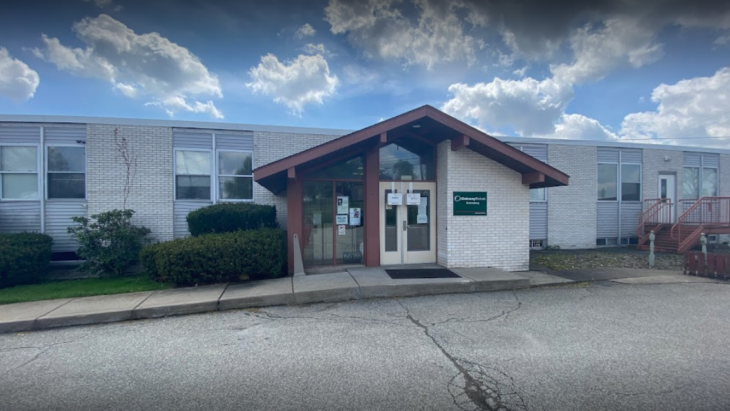
You’ll find Gateway Rehab Greensburg in Greensburg, Pennsylvania, about 30 miles outside of Pittsburgh. This outpatient center provides comprehensive care for adults and adolescents battling addiction and dual diagnosis. You can participate in medication assisted treatment (MAT) to reach your recovery goals. Detox is also available at other Gateway locations close by.
They accept several insurance plans including Aetna, Humana, Molina Healthcare, United HealthCare and Cigna. They also take Medicaid and county funding such as the Westmoreland D/A Commission.
Medication Assisted Treatment
One great feature I noticed is that they have MAT. They prescribe FDA approved medications like Sublocade, ReVia, Suboxone or Vivitrol to alleviate withdrawal symptoms and cravings that can hinder recovery.
They complement care with psychosocial therapy to help you get to the root of addiction. You’ll benefit from managing the physical and emotional symptoms of quitting substances at the same time to promote lasting recovery.
Family Education and Support Services
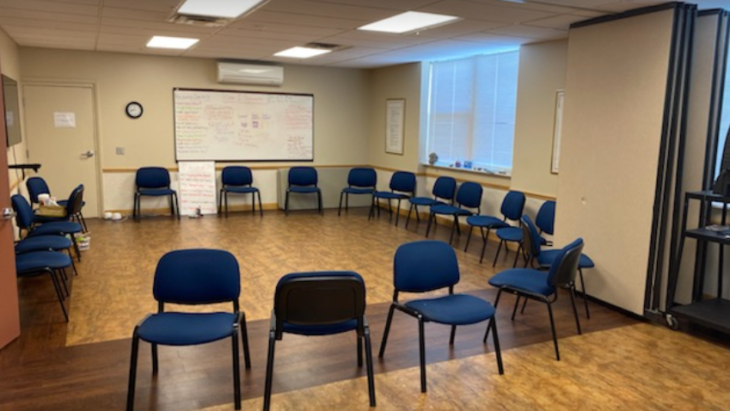
I also like that they offer family programs. Your loved ones can learn more about the disease of addiction, as well as communication, boundaries and relapse prevention. They provide a safe space to rebuild relationships and foster growth. You and your family will benefit from gaining the tools to support each other throughout your journey.
Early Recovery Community Based Case Management
Another great feature that caught my eye was their early recovery case management services. They provide comprehensive care coordination to aid in your journey. You can access follow up care for up to one year as well as community and social support referrals.
They also connect you to a certified peer recovery specialist with personal experience in recovery. You can learn from their experiences and receive ongoing support to sustain your recovery.
| Levels of Care | Detox Service Setting | Programs | Payment Options | |||||
|---|---|---|---|---|---|---|---|---|
|
Outpatient therapy involves attending therapy sessions several times each week while living at home. This is suitable if you have a strong support system and a lower risk of relapse. Outpatient treatment offers flexibility to maintain other obligations such as work or school. |
Intensive Outpatient
|
Partial hospitalization programs provide comprehensive treatment in a structured setting during the day but allow you to return home at night. These programs offer a balance of inpatient and outpatient rehab and provide intensive support without full time residency. |
||||||
|
Outpatient detox provides access to medically supervised withdrawal services while still allowing the individual to live at home. Treatment and monitoring are provided. This flexible option is suitable for those with mild to moderate withdrawal symptoms who have strong support systems. |
Medication assisted treatment combines medication and counseling to manage withdrawal and reduce cravings for opioid and alcohol addiction. Medications may include methadone, buprenorphine or naltrexone. MAT is tailored to your needs so you can actively participate in your treatment journey. |
|||||||
|
Adult programs address the substance use and life challenges specific to adults. Therapists often deliver sessions in individual, group, and family settings. Job support and life skills training can also be provided.
|
Alcohol detox programs offer medical support to achieve safe withdraw from alcohol. Your care team may use medications to ease withdrawal symptoms. They also provide medical monitoring to address complications.
|
Drug detox programs support individuals who are withdrawing from addictive substances like cocaine and heroin. Medical support helps individuals manage symptoms in a controlled and safe environment.
|
Men's programs address substance use issues as well as social pressures, family roles, and mental health concerns that are specific to men. Participants learn healthy coping mechanisms, emotional resilience, and communication skills.
|
Opioid detox uses medications to ease severe withdrawal symptoms. It also includes medical supervision to manage potential complications. These services allow individuals to stabilize and start a recovery plan.
|
Senior programs address the unique needs of older adults, such as chronic pain and grief. Programs include peer support and medical oversight for age-related health concerns. The goal of these programs is to improve quality of life and promote sobriety as people age.
|
Women's programs offer a safe and supportive space to focus on gender-specific issues such as trauma, family roles, and mental health conditions. Therapy sessions address women's needs and foster empowerment in a healing and nurturing environment.
|
Young adult programs are designed for individuals who are transitioning into adulthood. Discussion topics typically include identity, independence, and peer relationships. Participants may also receive life skills training and career support.
|
Teen (13 - 18)
|
|
Payment Assistance
|
Medicaid
|
Private Insurance
|
Self Pay
|
Levels of Care
Outpatient therapy involves attending therapy sessions several times each week while living at home. This is suitable if you have a strong support system and a lower risk of relapse. Outpatient treatment offers flexibility to maintain other obligations such as work or school.
Partial hospitalization programs provide comprehensive treatment in a structured setting during the day but allow you to return home at night. These programs offer a balance of inpatient and outpatient rehab and provide intensive support without full time residency.
Detox Service Setting
Outpatient detox provides access to medically supervised withdrawal services while still allowing the individual to live at home. Treatment and monitoring are provided. This flexible option is suitable for those with mild to moderate withdrawal symptoms who have strong support systems.
Medication assisted treatment combines medication and counseling to manage withdrawal and reduce cravings for opioid and alcohol addiction. Medications may include methadone, buprenorphine or naltrexone. MAT is tailored to your needs so you can actively participate in your treatment journey.
Programs
Accreditations


Accepted Insurance
Contact


- Monday 8AM - 9PM
- Tuesday 8AM - 9PM
- Wednesday 8AM - 9PM
- Thursday 8AM - 9PM
- Friday 8AM - 2PM

Mariah Bourne earned a Master of Arts in Community Social Psychology from the University of Massachusetts Lowell. She has worked as a research associate on addiction and treatment studies, including opioid craving interventions. Today, she is a freelance writer. She’s passionate about sharing knowledge and resources to help others start their recovery journey.

Kerry Nenn is a full-time freelance writer and prize-winning author. She contributes regularly to addiction-recovery sites, international journal publications, and Christian ministries. Her published works include 10 books and myriad articles. Her work has received recognition both locally and nationally.
Detox.com regularly reviews this listing for accuracy but changes may occur between updates. For the most up-to-date information, please contact GRC: Greensburg – Outpatient.
Nearby Detox Centers

Search by Pennsylvania Cities
FAQs
Does GRC Greensburg offer medication-assisted treatment for opioid or alcohol detox?
Yes, GRC: Greensburg – Outpatient provides medication-assisted treatment (MAT) as part of its outpatient addiction services. MAT combines medications with counseling and behavioral therapies to support withdrawal management and recovery while clients continue living at home and maintaining work or school responsibilities.
What are the different outpatient treatment levels of care at GRC Greensburg?
GRC: Greensburg – Outpatient offers three levels of outpatient care: standard outpatient programming, Intensive Outpatient Program (IOP) for clients needing more structured support, and Partial Hospitalization Program (PHP). Each provides flexible scheduling designed to help clients balance treatment with daily responsibilities.
Does GRC Greensburg treat substance use with co-occurring mental health conditions?
Yes, GRC: Greensburg – Outpatient provides integrated treatment for co-occurring mental health disorders alongside substance use disorders. The facility offers individual counseling, group therapy, and family counseling as part of its evidence-based, recovery-oriented outpatient programming.
What age groups and populations does GRC Greensburg serve?
GRC: Greensburg – Outpatient serves adults 18 and older, including teens ages 13 to 18, young adults ages 18 to 25, and seniors ages 65 and older. The facility offers gender-specific programming for men and women.
Does GRC Greensburg accept insurance for outpatient detox and addiction treatment?
GRC: Greensburg – Outpatient accepts most major insurance plans, including Blue Cross Blue Shield and Medicaid. The facility encourages prospective clients to verify their specific insurance coverage before scheduling an appointment.
Can clients access GRC Greensburg outpatient appointments remotely through telehealth?
Yes, telehealth services are available for certain outpatient appointments at GRC: Greensburg – Outpatient, allowing clients to access care remotely when appropriate. This flexibility helps clients maintain treatment while managing work, school, or family commitments.