800-262-4205
Lighthouse for Men

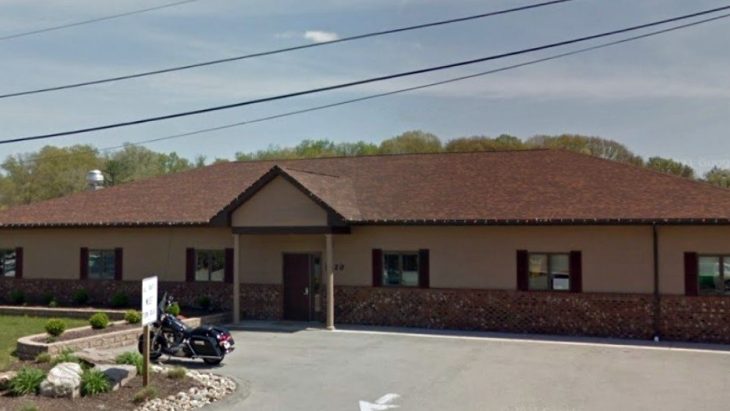
About Lighthouse for Men
Lighthouse for Men in Washington, Pennsylvania, is a halfway house that exclusively serves men aged 18 and older. Support extends to homeless individuals, or those at risk of homelessness.
Medicaid and medical assistance are accepted as a primary form of payment. The facility may also assist in finding coverage or appropriate referrals for uninsured individuals, while some services may be funded by county or state behavioral health departments for uninsured individuals.
A Residential Drug Rehab For Men
Though detox services aren’t available here, the team can refer individuals to local facilities where it is provided. It isn’t recommended that anyone attempt detox alone for safety reasons. For those seeking intensive drug rehab services, this facility’s residential program may be an ideal choice.
With a 30-bed capacity, the focus here is on long-term care, typically taking place across 6-12 months. The approach here is abstinence-based, with programming featuring relapse prevention, life skills education sessions, group and individual therapy as well as work therapy. 12-step principles are also woven into program material.
Case management services are provided, along with discharge planning to set residents up for success once their stay comes to a close. Individuals may be referred to outpatient care or supportive housing as part of a transitional support plan if deemed beneficial.
Communal Living For Recovery
Residents here stay in shared, communal sleeping quarters with shared common areas available for socializing with peers and engaging in recreational activities. On-site laundry services are also available and residents have access to ample opportunities to get involved with community engagement and volunteer work.
| Levels of Care | Detox Service Setting | Programs | Payment Options | |||
|---|---|---|---|---|---|---|
|
Inpatient and residential programs provide round-the-clock medical and emotional support as you live at the treatment facility. This level of care may be recommended if you have severe addictions or mental health conditions, because it offers a distraction-free environment where you can focus solely on recovery. |
Aftercare programs provide ongoing support for those who have completed a rehab program. These supports may include therapy, community groups and relapse prevention strategies. These resources give you a network of support as you reintegrate into daily life. |
Dual diagnosis programs address substance use disorders and co-occurring mental health conditions simultaneously. By addressing the root cause of addiciton, this approach improves the likelihood of long-term recovery and stability. |
Sober living homes provide a transitional living envioronment that is supportive and free of substances. Residents adhere to follow house rules and offer support to one another as they work through recovery. Sober living fosters accountability and stability during this critical phase of recovery. |
|||
|
Inpatient detox occurs in a dedicated treatment facility. Participants live at the facility around the clock and receive intensive medical support and supervision to help alleviate withdrawal symptoms. This setting is suitable for individuals with moderate to severe addictions, as it ensures a stable detox environment. |
||||||
|
Adult programs address the substance use and life challenges specific to adults. Therapists often deliver sessions in individual, group, and family settings. Job support and life skills training can also be provided.
|
Alcohol detox programs offer medical support to achieve safe withdraw from alcohol. Your care team may use medications to ease withdrawal symptoms. They also provide medical monitoring to address complications.
|
Cognitive behavioral therapy focuses on changing harmful thought patterns and behaviors associated with addiction. Participants learn healthier coping mechanisms by identifying and replacing negative thoughts. This improves emotional resilience and lowers the risk of relapse.
|
Men's programs address substance use issues as well as social pressures, family roles, and mental health concerns that are specific to men. Participants learn healthy coping mechanisms, emotional resilience, and communication skills.
|
Opioid detox uses medications to ease severe withdrawal symptoms. It also includes medical supervision to manage potential complications. These services allow individuals to stabilize and start a recovery plan.
|
Rational behavior therapy helps participants identify irrational beliefs that contribute to addiction. Challenging and modifying those beliefs helps individuals develop healthier attitudes and behaviors. This therapy supports long-term sobriety.
|
Young adult programs are designed for individuals who are transitioning into adulthood. Discussion topics typically include identity, independence, and peer relationships. Participants may also receive life skills training and career support.
|
|
Payment Assistance
|
Medicaid
|
Private Insurance
|
Self Pay
|
Levels of Care
Inpatient and residential programs provide round-the-clock medical and emotional support as you live at the treatment facility. This level of care may be recommended if you have severe addictions or mental health conditions, because it offers a distraction-free environment where you can focus solely on recovery.
Aftercare programs provide ongoing support for those who have completed a rehab program. These supports may include therapy, community groups and relapse prevention strategies. These resources give you a network of support as you reintegrate into daily life.
Dual diagnosis programs address substance use disorders and co-occurring mental health conditions simultaneously. By addressing the root cause of addiciton, this approach improves the likelihood of long-term recovery and stability.
Sober living homes provide a transitional living envioronment that is supportive and free of substances. Residents adhere to follow house rules and offer support to one another as they work through recovery. Sober living fosters accountability and stability during this critical phase of recovery.
Detox Service Setting
Inpatient detox occurs in a dedicated treatment facility. Participants live at the facility around the clock and receive intensive medical support and supervision to help alleviate withdrawal symptoms. This setting is suitable for individuals with moderate to severe addictions, as it ensures a stable detox environment.
Programs
Accreditations


Contact


Detox.com regularly reviews this listing for accuracy but changes may occur between updates. For the most up-to-date information, please contact Lighthouse for Men.