

 800-262-4205
Gracie Square Hospital – Inpatient

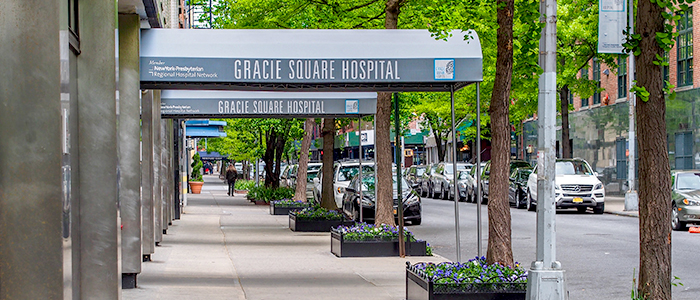
About Gracie Square Hospital – Inpatient
Gracie Square Hospital is a leading award winning mental health care facility located in the heart of New York City. The hospital collaborates with New York Presbyterian to promote innovative and unique treatment methods. The facility is recognized by the American Nurses Credentialing Center. They’re not too far from the East River and John Jay Park.
The facility offers various inpatient care programs tailored to cultural background, religious perspectives, as well as age groups. They have a dedicated track for Asians, older adults, Orthodox Jewish clients, the LGBTQ+ community, and young adults.
Gracie Square promotes its fundamental unique core values of integrity, empathy, respect, teamwork, and innovation. The facility offers a setting of 140 beds and is composed of various certified psychiatrists, social workers, and nurses. This helps expand upon the number of counseling methods available to the patient.
The admission process is set to be standard requiring patients to provide a detailed assessment which then pairs them with the selective caregiver according to their needs. This caregiver will accompany the client through a safe and structured approach. Their services include pet therapy and around the clock medical support. The Dual Focus program addresses co-occurring disorders that can fuel an addiction.
One core element that helps the patients ease back into their lifestyle is how social workers direct you to community resources to reinforce your recovery. The collaboration between its providers, community organizations, and social workers promotes the goal of minimizing relapse risk and creates a stable support network.
| Levels of Care | Detox Service Setting | Programs | Payment Options | |||||
|---|---|---|---|---|---|---|---|---|
|
Inpatient
|
Outpatient
|
The Dual Diagnosis Unit at Gracie Square Hospital offers inpatient treatment for individuals suffering from substance abuse and psychiatric disorders. |
||||||
|
Hospital detoxification allows you to withdraw from drugs or alcohol in a hospital setting. It’s ideal for people with severe withdrawal symptoms or complex medical needs. You’ll receive constant monitoring, emergency care if needed, and FDA-approved prescription medications. |
Gracie Square Hospital’s Addiction Treatment Unit provides inpatient detoxification and rehabilitation for individuals suffering from alcohol and other substance abuse and dependence. |
|||||||
|
Women's programs offer a safe and supportive space to focus on gender-specific issues such as trauma, family roles, and mental health conditions. Therapists tailor the sessions to address women's needs and foster empowerment in a healing and nurturing environment.
|
Men's programs address substance use while also considering the social pressures, family roles, and mental health concerns specific to men. Participants learn healthy coping mechanisms, build emotional resilience, and develop communication skills.
|
Senior programs include peer support and medical oversight for age-related health concerns. Services address the unique needs of older adults like chronic pain, grief, and isolation. The goal is to improve quality of life while aging.
|
Young adult programs are designed for individuals who are transitioning into adulthood. Topics of discussion typically include identity, independence, and peer relationships. Providers may also offer life-skills training and career support.
|
LGBTQ-friendly programs create an inclusive and affirming space for recovery. Treatment is sensitive to issues like discrimination and stigma. You’ll receive support and therapy that respects and acknowledges your unique experiences.
|
Gracie Square Hospital’s Child and Adolescent Program provides inpatient treatment for children and adolescents with emotional and behavioral problems. |
Gracie Square Hospital provides inpatient psychiatric services including crisis stabilization and adult acute care for individuals seeking treatment. |
The Addiction Treatment Unit at Gracie Square Hospital provides inpatient detoxification for individuals suffering from alcohol abuse and dependence. |
Gracie Square Hospital’s Addiction Treatment Unit provides inpatient detoxification and rehabilitation for individuals suffering from other substance abuse and dependence. |
|
Medicaid
|
State Family Services
|
Private Insurance
|
Levels of Care
The Dual Diagnosis Unit at Gracie Square Hospital offers inpatient treatment for individuals suffering from substance abuse and psychiatric disorders.
Detox Service Setting
Hospital detoxification allows you to withdraw from drugs or alcohol in a hospital setting. It’s ideal for people with severe withdrawal symptoms or complex medical needs. You’ll receive constant monitoring, emergency care if needed, and FDA-approved prescription medications.
Gracie Square Hospital’s Addiction Treatment Unit provides inpatient detoxification and rehabilitation for individuals suffering from alcohol and other substance abuse and dependence.
Programs
Gracie Square Hospital’s Child and Adolescent Program provides inpatient treatment for children and adolescents with emotional and behavioral problems.
Gracie Square Hospital provides inpatient psychiatric services including crisis stabilization and adult acute care for individuals seeking treatment.
The Addiction Treatment Unit at Gracie Square Hospital provides inpatient detoxification for individuals suffering from alcohol abuse and dependence.
Gracie Square Hospital’s Addiction Treatment Unit provides inpatient detoxification and rehabilitation for individuals suffering from other substance abuse and dependence.
Amenities
Accepted Insurance



Contact


- Monday Open 24 hours
- Tuesday Open 24 hours
- Wednesday Open 24 hours
- Thursday Open 24 hours
- Friday Open 24 hours
- Saturday Open 24 hours
- Sunday Open 24 hours


Peter W.Y. Lee is a historian with a focus in American Cold War culture. He has examined how popular culture has served as a coping mechanism for the challenges and changes impacting American society throughout the twentieth century.
Detox.com regularly reviews this listing for accuracy but changes may occur between updates. For the most up-to-date information, please contact Gracie Square Hospital – Inpatient.
Nearby Detox Centers

Search by New York Cities
FAQs
What inpatient detox programs does Gracie Square Hospital offer in New York?
Gracie Square Hospital’s Addiction Treatment Unit provides inpatient detoxification and rehabilitation for individuals with alcohol and substance abuse or dependence. The facility also operates a Dual Diagnosis Unit for patients with co-occurring substance abuse and psychiatric disorders, located on the Upper East Side of Manhattan.
Does Gracie Square Hospital provide detox for teens and older adults?
Yes, Gracie Square Hospital offers age-specific inpatient detox and treatment programs. The facility serves teens ages 13 to 18 through its Child and Adolescent Program, adults 18 and older, and seniors 65 and older through its Geriatric Psychiatry Program, all at its Manhattan location.
What is the admission process for inpatient detox at Gracie Square Hospital?
Individuals seeking admission to Gracie Square Hospital’s inpatient detox programs can contact the Admissions Office for information and referrals. The facility is located at 420 East 76th Street on the Upper East Side of Manhattan, between York and 1st Avenues, and staff can discuss treatment options during the initial contact.
Does Gracie Square Hospital treat dual diagnosis during inpatient detox?
Gracie Square Hospital operates a dedicated Dual Diagnosis Unit providing inpatient treatment for individuals with concurrent substance abuse and psychiatric disorders. This specialized program addresses both addiction and mental health conditions as part of the comprehensive inpatient detoxification and rehabilitation services.