800-262-4205
Harwood House

About Harwood House
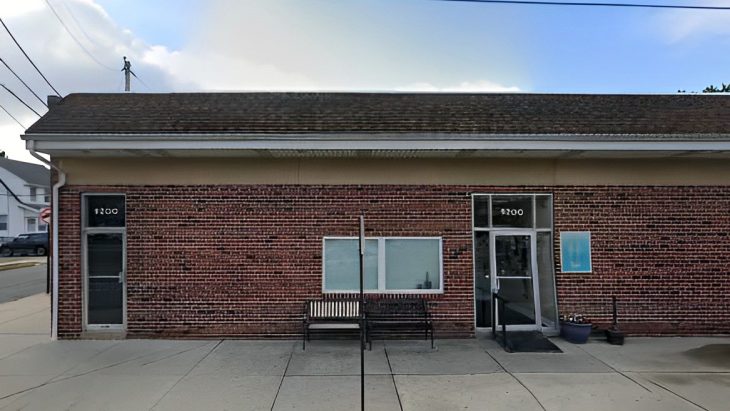
Harwood House is located in a suburb of Philadelphia. Specifically, it’s based in Upper Darby, Pennsylvania. Since 1975, this nonprofit community based residential program has provided a safe, stable living environment for men battling addiction and co-occurring disorders.
They don’t offer withdrawal management services, so it’s best to complete detox under the care of a medical professional. Contact your primary care physician or an addiction specialist to find a suitable detox program before transitioning to another level of care.
Co-Occurring Disorder Support
What stands out most to me is their dual diagnosis program. They work with you to understand and manage the symptoms of mental health and substance use disorders simultaneously. You can access information on your symptoms to make informed treatment decisions. They also offer weekly on site psychiatric consultations.
Another great feature that caught my eye was their program duration. Many spend between
3-6 months at their halfway house. With extended treatment, you’ll benefit from sufficient time to gain and reinforce essential skills. They provide ongoing care to help you work through challenges and develop the skills for lasting recovery.
Holistic Approach for Trauma
I also think it’s great that they offer holistic services to improve your stress levels and diets. You can participate in mindfulness, health and nutrition education, and yoga. These activities can nourish your mind, body, and spirit for overall wellness.
Their specialized trauma therapy also stood out to me. They offer a targeted trauma recovery and empowerment group specifically for men. You’ll benefit from a safe space to open up and process past distressing experiences among men on similar paths.
| Levels of Care | Detox Service Setting | Programs | Payment Options | ||||
|---|---|---|---|---|---|---|---|
|
Inpatient and residential programs provide round-the-clock medical and emotional support as you live at the treatment facility. This level of care may be recommended if you have severe addictions or mental health conditions, because it offers a distraction-free environment where you can focus solely on recovery. |
Aftercare programs provide ongoing support for those who have completed a rehab program. These supports may include therapy, community groups and relapse prevention strategies. These resources give you a network of support as you reintegrate into daily life. |
Dual diagnosis programs address substance use disorders and co-occurring mental health conditions simultaneously. By addressing the root cause of addiciton, this approach improves the likelihood of long-term recovery and stability. |
Sober living homes provide a transitional living envioronment that is supportive and free of substances. Residents adhere to follow house rules and offer support to one another as they work through recovery. Sober living fosters accountability and stability during this critical phase of recovery. |
||||
|
Inpatient detox occurs in a dedicated treatment facility. Participants live at the facility around the clock and receive intensive medical support and supervision to help alleviate withdrawal symptoms. This setting is suitable for individuals with moderate to severe addictions, as it ensures a stable detox environment. |
|||||||
|
Adult programs address the substance use and life challenges specific to adults. Therapists often deliver sessions in individual, group, and family settings. Job support and life skills training can also be provided.
|
Alcohol detox programs offer medical support to achieve safe withdraw from alcohol. Your care team may use medications to ease withdrawal symptoms. They also provide medical monitoring to address complications.
|
Cognitive behavioral therapy focuses on changing harmful thought patterns and behaviors associated with addiction. Participants learn healthier coping mechanisms by identifying and replacing negative thoughts. This improves emotional resilience and lowers the risk of relapse.
|
Men's programs address substance use issues as well as social pressures, family roles, and mental health concerns that are specific to men. Participants learn healthy coping mechanisms, emotional resilience, and communication skills.
|
Opioid detox uses medications to ease severe withdrawal symptoms. It also includes medical supervision to manage potential complications. These services allow individuals to stabilize and start a recovery plan.
|
Rational behavior therapy helps participants identify irrational beliefs that contribute to addiction. Challenging and modifying those beliefs helps individuals develop healthier attitudes and behaviors. This therapy supports long-term sobriety.
|
Women's programs offer a safe and supportive space to focus on gender-specific issues such as trauma, family roles, and mental health conditions. Therapy sessions address women's needs and foster empowerment in a healing and nurturing environment.
|
Young adult programs are designed for individuals who are transitioning into adulthood. Discussion topics typically include identity, independence, and peer relationships. Participants may also receive life skills training and career support.
|
|
Medicaid
|
Self Pay
|
Levels of Care
Inpatient and residential programs provide round-the-clock medical and emotional support as you live at the treatment facility. This level of care may be recommended if you have severe addictions or mental health conditions, because it offers a distraction-free environment where you can focus solely on recovery.
Aftercare programs provide ongoing support for those who have completed a rehab program. These supports may include therapy, community groups and relapse prevention strategies. These resources give you a network of support as you reintegrate into daily life.
Dual diagnosis programs address substance use disorders and co-occurring mental health conditions simultaneously. By addressing the root cause of addiciton, this approach improves the likelihood of long-term recovery and stability.
Sober living homes provide a transitional living envioronment that is supportive and free of substances. Residents adhere to follow house rules and offer support to one another as they work through recovery. Sober living fosters accountability and stability during this critical phase of recovery.
Detox Service Setting
Inpatient detox occurs in a dedicated treatment facility. Participants live at the facility around the clock and receive intensive medical support and supervision to help alleviate withdrawal symptoms. This setting is suitable for individuals with moderate to severe addictions, as it ensures a stable detox environment.
Programs
Amenities
Accreditations

Contact


Detox.com regularly reviews this listing for accuracy but changes may occur between updates. For the most up-to-date information, please contact Harwood House.