800-262-4205
Pathway Counseling Services

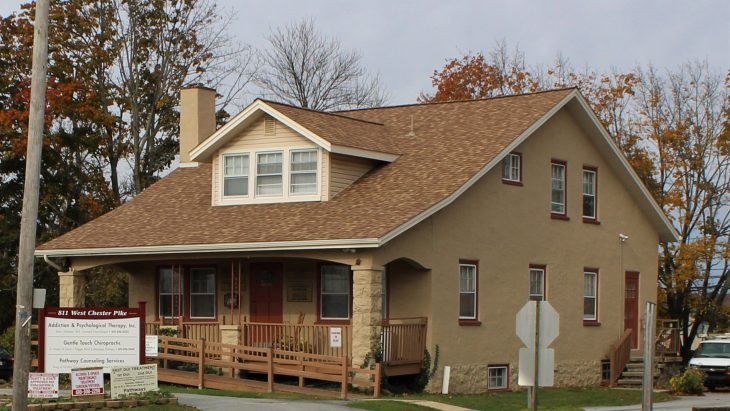
About Pathway Counseling Services
Pathways Counseling Services of West Chester, Pennsylvania, is an outpatient substance abuse treatment provider licensed to provide court mandated services to adults and teens involved in the justice system, including those receiving MAT elsewhere.
In Person and Virtual Treatment
Though authorized in Pennsylvania, their services are accepted by other states as well. You’ll find them near the scenic Brandywine Valley.
This clinic’s services are available in person and over video, which you may find more convenient if you have a busy schedule or have transportation barriers.
Open Ended Groups
Something that immediately caught my eye about this location is their groups. Some addiction programs follow a strict curriculum with a defined start and stop, like a class. But these groups are open ended, so you can join at any point and not miss a thing.
The open ended structure also means there’s no long wait between completing your evaluation and starting treatment. You can work toward recovery and meet court requirements right away.
Truly Supportive Staff
One thing that past client reviews make clear is that the staff here are understanding and supportive of your recovery journey. One counselor in particular, Drew Alikakos, is described as “drawing out opportunities for professional and personal development.”
Another client says the office is a “safe, supportive atmosphere to learn and share.” Comments paint a picture of a staff doing everything they can to help everyone who comes through their doors.
| Levels of Care | Detox Service Setting | Programs | Payment Options | ||||||
|---|---|---|---|---|---|---|---|---|---|
|
Outpatient therapy involves attending therapy sessions several times each week while living at home. This is suitable if you have a strong support system and a lower risk of relapse. Outpatient treatment offers flexibility to maintain other obligations such as work or school. |
Aftercare programs provide ongoing support for those who have completed a rehab program. These supports may include therapy, community groups and relapse prevention strategies. These resources give you a network of support as you reintegrate into daily life. |
Dual diagnosis programs address substance use disorders and co-occurring mental health conditions simultaneously. By addressing the root cause of addiciton, this approach improves the likelihood of long-term recovery and stability. |
|||||||
|
Outpatient detox provides access to medically supervised withdrawal services while still allowing the individual to live at home. Treatment and monitoring are provided. This flexible option is suitable for those with mild to moderate withdrawal symptoms who have strong support systems. |
|||||||||
|
Adult programs address the substance use and life challenges specific to adults. Therapists often deliver sessions in individual, group, and family settings. Job support and life skills training can also be provided.
|
Alcohol detox programs offer medical support to achieve safe withdraw from alcohol. Your care team may use medications to ease withdrawal symptoms. They also provide medical monitoring to address complications.
|
Cognitive behavioral therapy focuses on changing harmful thought patterns and behaviors associated with addiction. Participants learn healthier coping mechanisms by identifying and replacing negative thoughts. This improves emotional resilience and lowers the risk of relapse.
|
LGBTQ-friendly programs create an inclusive and affirming space for recovery. Treatment is sensitive to issues like discrimination and stigma. Participants receive support and therapy that respects and acknowledges your unique experiences.
|
Men's programs address substance use issues as well as social pressures, family roles, and mental health concerns that are specific to men. Participants learn healthy coping mechanisms, emotional resilience, and communication skills.
|
Military / Veterans
|
Opioid detox uses medications to ease severe withdrawal symptoms. It also includes medical supervision to manage potential complications. These services allow individuals to stabilize and start a recovery plan.
|
Rational behavior therapy helps participants identify irrational beliefs that contribute to addiction. Challenging and modifying those beliefs helps individuals develop healthier attitudes and behaviors. This therapy supports long-term sobriety.
|
Women's programs offer a safe and supportive space to focus on gender-specific issues such as trauma, family roles, and mental health conditions. Therapy sessions address women's needs and foster empowerment in a healing and nurturing environment.
|
Young adult programs are designed for individuals who are transitioning into adulthood. Discussion topics typically include identity, independence, and peer relationships. Participants may also receive life skills training and career support.
|
|
Self Pay
|
Levels of Care
Outpatient therapy involves attending therapy sessions several times each week while living at home. This is suitable if you have a strong support system and a lower risk of relapse. Outpatient treatment offers flexibility to maintain other obligations such as work or school.
Aftercare programs provide ongoing support for those who have completed a rehab program. These supports may include therapy, community groups and relapse prevention strategies. These resources give you a network of support as you reintegrate into daily life.
Dual diagnosis programs address substance use disorders and co-occurring mental health conditions simultaneously. By addressing the root cause of addiciton, this approach improves the likelihood of long-term recovery and stability.
Detox Service Setting
Outpatient detox provides access to medically supervised withdrawal services while still allowing the individual to live at home. Treatment and monitoring are provided. This flexible option is suitable for those with mild to moderate withdrawal symptoms who have strong support systems.
Programs
Accreditations

Contact



Gayle Morris, BSN, MSN, received her bachelor’s degree from the University of Illinois Chicago Medical Center and her first master’s degree from Indiana University Purdue University Indianapolis. She practiced nursing for more than two decades with a focus on pediatric physical rehabilitation, helping children and their parents after a head injury or spinal cord injury. She has been a freelance writer in health, wellness, and mental health for more than 15 years. She loves exercise, her dogs and guinea pigs, and gardening.
Detox.com regularly reviews this listing for accuracy but changes may occur between updates. For the most up-to-date information, please contact Pathway Counseling Services.