

 800-262-4205
Healing Transitions Womens Campus

About Healing Transitions Womens Campus
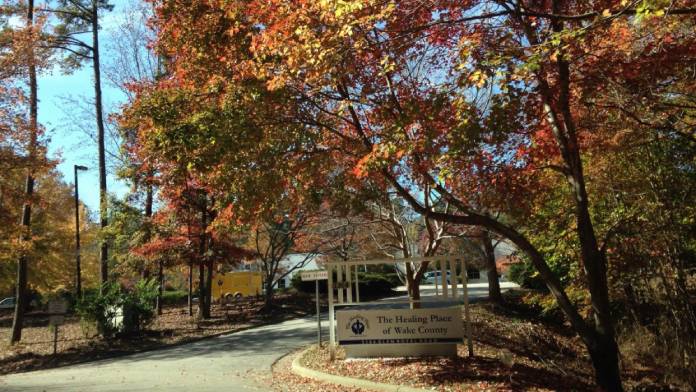
Healing Transitions Women’s Campus is a drug and alcohol rehab in Raleigh, North Carolina. Established in 2001, they provide peer based addiction treatment services for adults who are uninsured, underserved, or experiencing homelessness.
Their services are always free for Wake County residents older than 18. You can access nonmedical detox to start recovery.
Around the Clock Nonmedical Detox Services
Their detox services are available 24/7 as an alternative to emergency rooms. You’ll complete a a withdrawal assessment to understand if medical detox is the best fit for you.
They provide a safe space to reach stabilization and access additional resources. Once you complete detox, you can participate in their long term recovery program to continue your journey.
Gender Specific Care For Your Needs
What stands out most to me is their gender specific programs. Women can participate in tailored care that recognizes and addresses the unique influence of gender on addiction. Common issues that cause addiction in women that may be addressed include low self esteem and family conflicts.
You’ll benefit from targeted support and resources to enhance your journey. With peer support at the forefront, you can connect with other women on similar paths and help each other throughout recovery.
Recovery engagement specialists are also available to work closely with everyone who seeks care at their facility. They connect Wake Court residents to resources within 72 hours of experiencing an overdose. You can access social resources, healthcare services, and harm reduction supplies to guide your next steps.
Emergency Drop In Shelter
I also think it’s great that they provide an emergency shelter. This shelter offers a low barrier of entry for adults 18 and older. You can also access prolonged stays while waiting for housing assistance or supportive services.
| Levels of Care | Detox Service Setting | Programs | Payment Options | |||
|---|---|---|---|---|---|---|
|
Inpatient
|
||||||
|
Inpatient detox occurs in a dedicated treatment facility. You’ll live there around the clock and receive intensive medical support and supervision to help manage your withdrawal symptoms. It is suitable for individuals with moderate to severe addictions as it ensures a stable detox environment. |
||||||
|
Adults 18 and older can use the drop-in shelter, and the long-term program asks for a substance use disorder, an age of at least 18 and Wake County residency. |
Alcohol detox programs offer medical support to help individuals withdraw safely from alcohol. Your care team may use medications to ease your symptoms and provide medical monitoring to address complications.
|
It’s non-medical detox, open 24 hours a day, seven days a week, as an alternative to an emergency room, jail or the street. |
A separate men’s campus runs alongside the women’s campus, each shaped around the needs of the people it serves. |
Opioid detox uses medications to ease severe withdrawal symptoms. It also includes medical supervision to help you manage potential complications. These services allow you to stabilize and begin a recovery plan.
|
Care at the women’s campus is shaped around what women need, and the program recognizes that housing after treatment remains a real barrier for women who complete it. |
Young adult programs are designed for individuals who are transitioning into adulthood. Topics of discussion typically include identity, independence, and peer relationships. Providers may also offer life-skills training and career support.
|
|
Self Pay
|
Levels of Care
Detox Service Setting
Inpatient detox occurs in a dedicated treatment facility. You’ll live there around the clock and receive intensive medical support and supervision to help manage your withdrawal symptoms. It is suitable for individuals with moderate to severe addictions as it ensures a stable detox environment.
Programs
Adults 18 and older can use the drop-in shelter, and the long-term program asks for a substance use disorder, an age of at least 18 and Wake County residency.
It’s non-medical detox, open 24 hours a day, seven days a week, as an alternative to an emergency room, jail or the street.
A separate men’s campus runs alongside the women’s campus, each shaped around the needs of the people it serves.
Care at the women’s campus is shaped around what women need, and the program recognizes that housing after treatment remains a real barrier for women who complete it.
Contact



Mariah Bourne earned a Master of Arts in Community Social Psychology from the University of Massachusetts Lowell. She has worked as a research associate on addiction and treatment studies, including opioid craving interventions. Today, she is a freelance writer. She’s passionate about sharing knowledge and resources to help others start their recovery journey.

Eric has a passion for content creation, whether it’s writing articles or making YouTube videos. He appreciates the power of storytelling to inform an audience about the information they need to know. In addition to writing, he also spends his time traveling and discovering new restaurants.
Detox.com regularly reviews this listing for accuracy but changes may occur between updates. For the most up-to-date information, please contact Healing Transitions Womens Campus.
Nearby Detox Centers
Search by North Carolina Cities
FAQs
Does the program cost anything to attend?
No. Services are provided at no cost to the people who need them, and that’s been true since 2001. Cost isn’t the barrier here, which matters for people who are uninsured or underserved.
Can women stay at the campus without entering the recovery program?
Yes. A low-barrier emergency drop-in shelter is open at both campuses for people 18 and older, and the women’s campus adds longer-term shelter beds for people seeking supportive services and housing help. Direct entry into the program is possible when detox isn’t needed.