800-262-4205
Horizon Health Services Union Losson Recovery Center

About Horizon Health Services Union Losson Recovery Center
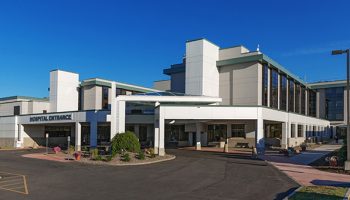
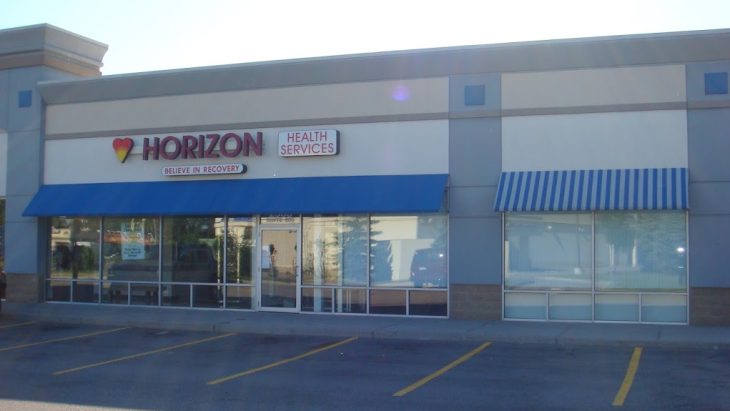
You’ll find Horizon Health Services Union Losson Recovery Center in Cheektowaga, New York about 10 miles outside of downtown Buffalo. As part of one of the largest outpatient addiction and mental health providers in Western New York, they’ve provided compassionate care for youth and adults since 1975.
You can access medication assisted treatment (MAT) at this location. Detox is also available through their Horizon Village programs.
Medication Assisted Treatment
Their MAT program uses a variety of FDA approved medications to help you overcome withdrawals and cravings. Sublocade, buprenorphine, Vivitrol, and more are available. You’ll also participate in group, individual, and family counseling using dialectical behavioral therapy, eye movement desensitization and reprocessing (EMDR) and other specialized approaches.
Parent and Family Support
What strikes me more is their parent and family support services. They understand that addiction affects your loved ones as well. Your family can benefit from assistance navigating the treatment system and resources within their programs and the local community.
They also offer a community reinforcement approach and family training. This approach can help you and your loved ones create positive changes through improved communication and ongoing support.
Care Coordination
Another thing that caught my eye was their care coordination services. You can access outreach, engagement, and care management services for chronic and complex healthcare needs.
This holistic approach helps you address behavioral health, physical, and social needs. You’ll benefit from coordinated care with all community providers. They also offer referrals and connections to essential resources including housing, educational services, vocational training, and basic needs like food and clothing.
| Levels of Care | Detox Service Setting | Programs | Payment Options | ||||
|---|---|---|---|---|---|---|---|
|
Outpatient
|
Aftercare programs provide ongoing support once you complete a rehab program. They may include several components to help you maintain sobriety, including therapy, community support groups, and relapse-prevention strategies. This gives you a network of resources as you reintegrate into daily life. |
Dual Diagnosis
|
|||||
|
Outpatient detox gives you access to medically supervised withdrawal services while still allowing you to live at home. You’ll attend a clinic for treatment and monitoring. This flexible option is suitable for those with mild to moderate withdrawal symptoms who have strong support systems. |
|||||||
|
Adult programs include job support and life skills training in a structured environment. Services are designed to address the substance use and life challenges specific to adults. Therapy sessions happen in individual, group and family settings.
|
Alcohol detox programs offer medical support to help individuals withdraw safely from alcohol. Your care team may use medications to ease your symptoms, and they may provide medical monitoring to address complications.
|
Cognitive behavioral therapy focuses on changing harmful thought patterns and behaviors associated with addiction. You’ll learn healthier coping mechanisms by identifying and replacing negative thoughts. This improves your emotional resilience and decreases your relapse potential.
|
Men's programs address substance use while also considering the social pressures, family roles, and mental health concerns specific to men. Participants learn healthy coping mechanisms, build emotional resilience, and develop communication skills.
|
Opioid detox uses medications to ease severe withdrawal symptoms. It includes medical supervision to help you manage potential complications. These services allow you to stabilize safely and begin a recovery plan.
|
Rational behavior therapy helps you identify irrational beliefs that contribute to an addiction. Challenging and modifying those beliefs helps you develop healthier attitudes and behaviors. This therapy supports long-term sobriety and sustainable recovery.
|
Women's programs offer a safe and supportive space to focus on gender-specific issues such as trauma, family roles, and mental health conditions. Therapists tailor the sessions to address women's needs and foster empowerment in a healing and nurturing environment.
|
Young adult programs are designed for individuals who are transitioning into adulthood. Topics of discussion typically include identity, independence, and peer relationships. Providers may also offer life-skills training and career support.
|
|
Medicaid
|
Medicare
|
Military Insurance
|
Private Insurance
|
Self Pay
|
Levels of Care
Aftercare programs provide ongoing support once you complete a rehab program. They may include several components to help you maintain sobriety, including therapy, community support groups, and relapse-prevention strategies. This gives you a network of resources as you reintegrate into daily life.
Detox Service Setting
Outpatient detox gives you access to medically supervised withdrawal services while still allowing you to live at home. You’ll attend a clinic for treatment and monitoring. This flexible option is suitable for those with mild to moderate withdrawal symptoms who have strong support systems.
Programs
Accreditations

Contact



Mariah Bourne earned a Master of Arts in Community Social Psychology from the University of Massachusetts Lowell. She has worked as a research associate on addiction and treatment studies, including opioid craving interventions. Today, she is a freelance writer. She’s passionate about sharing knowledge and resources to help others start their recovery journey.

Courtney Myers writes and edits professionally from her home in North Carolina. She holds an MS in Technical Communication from N.C. State University and has worked in proposal management, marketing, and online content creation. She specializes in creating resources related to behavioral health and addiction recovery.
Detox.com regularly reviews this listing for accuracy but changes may occur between updates. For the most up-to-date information, please contact Horizon Health Services Union Losson Recovery Center.