850-312-7032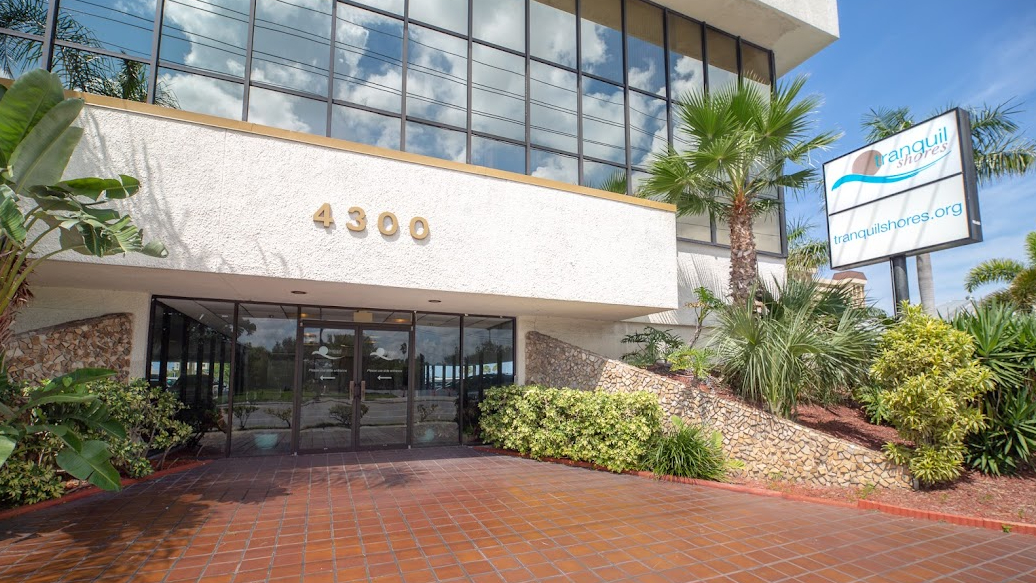
Tranquil Shores
Madeira Beach, FL
33708
The River City is plagued by drug and alcohol abuse and addiction, just like other large cities across the nation. In 2015 alone, there were 779 heroin-related deaths in the state of Florida. It’s unfortunate that the people directly impacted by this rarely know what resources are available to them.
In order to achieve sobriety and get the best results from rehab, it is vital that people enter a detoxification facility. This allows them to safely and comfortably establish a recovery.
If you or someone who matters to you are struggling with substance abuse, the time to get help is now. Waiting only increases the risks associated with drug and alcohol use. Call 904-606-6944 for information on drug and alcohol detox centers in Jacksonville, FL. Don’t wait.
| Name | Address | Detox Service Setting | Levels Of Care | Media |
|---|---|---|---|---|
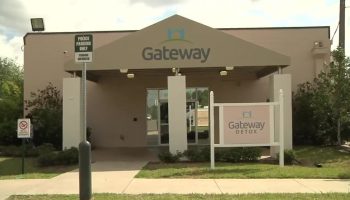
Gateway Community Services |
555 Stockton Street Jacksonville, FL 32204 |
Detox Service Setting
Inpatient DetoxOutpatient DetoxMAT
|
Levels Of Care
OutpatientDual DiagnosisInpatient
|
|
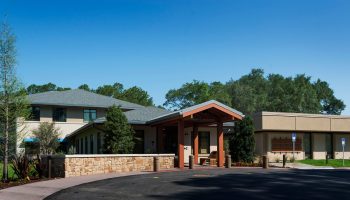
Lakeview Health – Drug and Alcohol Addiction Treatment |
1900 Corporate Square Boulevard Jacksonville, FL 32216 |
Detox Service Setting
Inpatient DetoxOutpatient DetoxMAT
|
Levels Of Care
OutpatientPHPInpatient
|
|
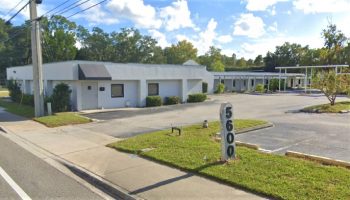
MedMark Treatment Centers Jacksonville |
5600 Spring Park Rd Jacksonville, FL 32216 |
Detox Service Setting
Inpatient DetoxOutpatient Detox
|
Levels Of Care
InpatientOutpatient
|
|
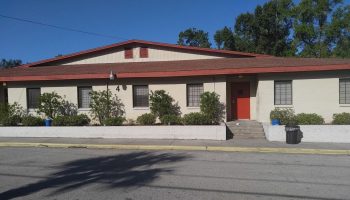
New Season Treatment Center Jacksonville |
4427 Emerson Street Jacksonville, FL 32207 |
Detox Service Setting
Outpatient Detox
|
Levels Of Care
Outpatient
|
|
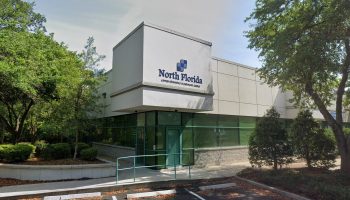
North Florida Comprehensive Treatment Center |
6639 Southpoint Parkway Jacksonville, FL 32216 |
Detox Service Setting
Outpatient Detox
|
Levels Of Care
OutpatientIntervention
|
|
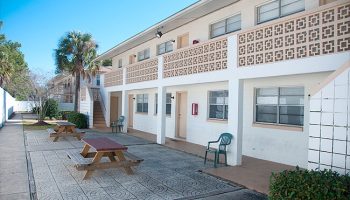
Stepping Stone Center for Recovery – Detox and Short Term Addiction Rehabilitation |
1815 Corporate Square Boulevard Jacksonville, FL 32216 |
Detox Service Setting
Hospital DetoxInpatient DetoxOutpatient Detox+1
|
Levels Of Care
InpatientPHPAftercare+1
|
|
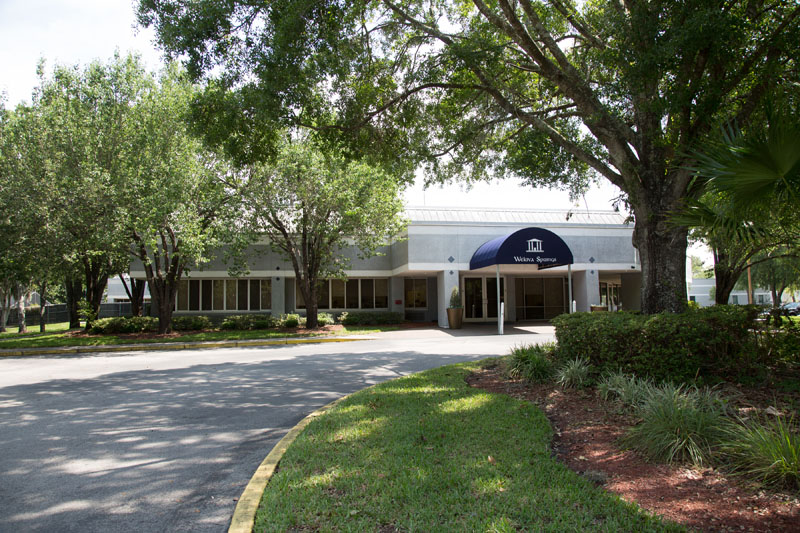
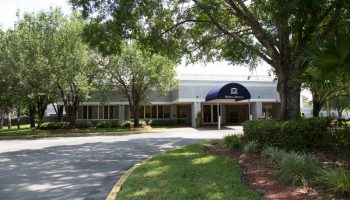
Wekiva Springs Center |
3947 Salisbury Road Jacksonville, FL 32216 |
Detox Service Setting
Outpatient DetoxHospital DetoxInpatient Detox
|
Levels Of Care
InpatientOutpatientAftercare
|
|
Greenfield Center |
3 Shircliff Way Jacksonville, FL 32204 |
Detox Service Setting
|
Levels Of Care
|
|
The Salvation Army Adult Rehabilitation Center – Jacksonville |
10900 Beach Blvd Jacksonville, FL 32246 |
Detox Service Setting
Inpatient DetoxOutpatient Detox
|
Levels Of Care
InpatientOutpatient
|
|
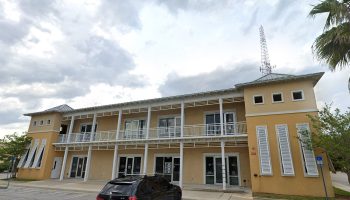
Wekiva Springs Outpatient Center |
1909 Beach Boulevard Jacksonville Beach, FL 32250 |
Detox Service Setting
Inpatient DetoxOutpatient Detox
|
Levels Of Care
InpatientOutpatientAftercare+1
|
|
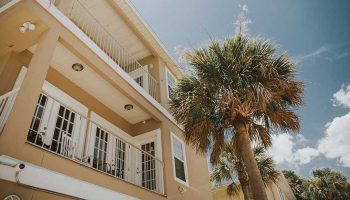
Beaches Recovery |
75 South 12th Street Jacksonville Beach, FL 32250 |
Detox Service Setting
Inpatient DetoxOutpatient DetoxMAT
|
Levels Of Care
InpatientPHPOutpatient+4
|
|
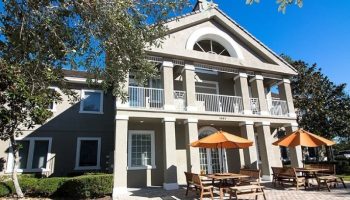
Tides Edge Detox Center |
1597 The Greens Way Jacksonville Beach, FL 32250 |
Detox Service Setting
Inpatient DetoxOutpatient Detox
|
Levels Of Care
InpatientOutpatient
|
|
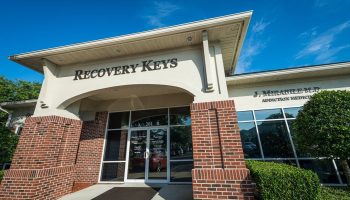
Awakening Recovery Center |
3304 Sawgrass Village Circle Florida, FL 32082 |
Detox Service Setting
Outpatient DetoxMAT
|
Levels Of Care
PHPOutpatientAftercare+2
|
|
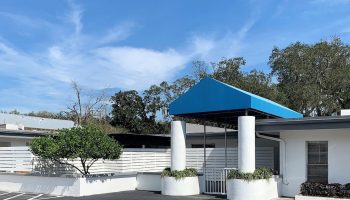
Dr Pauls by the Sea |
189 San Marco Avenue Saint Augustine, FL 32084 |
Detox Service Setting
Inpatient DetoxOutpatient Detox
|
Levels Of Care
InpatientOutpatientAftercare+2
|
|
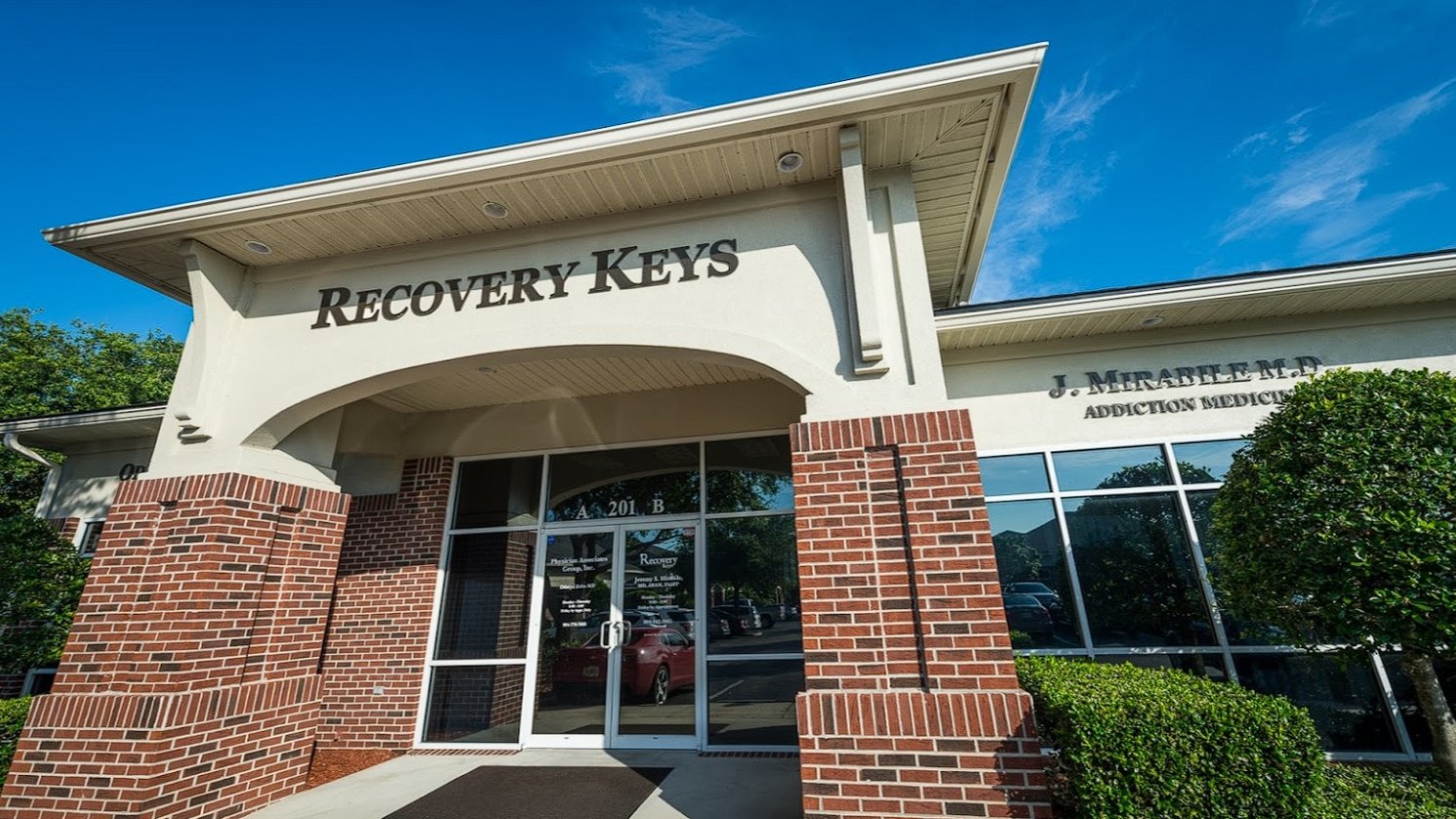
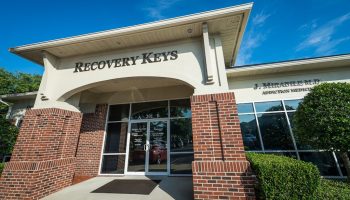
Recovery Keys St Augustine |
1301 Plantation Island Drive South Suite 201B Saint Augustine, FL 32080 |
Detox Service Setting
Outpatient DetoxMAT
|
Levels Of Care
PHPOutpatientAftercare+1
|
|
Jacksonville, Florida’s largest city, has a substance use profile shaped by its size, port access and a local drug supply affected by illicit fentanyl.
The Florida Department of Children and Families (DCF), through its Office of Substance Abuse and Mental Health (SAMH), is the primary state licensing authority for all detox and substance use disorder treatment providers under Chapter 397 of the Florida Statutes. Any facility offering detoxification in Jacksonville must hold a valid DCF license and meet minimum standards for clinical staffing and patient safety.
At the regional level, LSF Health Systems is the nonprofit Managing Entity contracted by DCF to coordinate state-funded behavioral health services across a 23-county North and Northeast Florida region that includes Duval County. LSF manages funding and provider oversight for uninsured and underinsured residents seeking access to detox and treatment.
Florida’s Comprehensive Behavioral Health Reform Act, which took effect in 2025, expanded Medicaid SUD coverage to include residential treatment, peer counseling and transportation support.
Jacksonville’s primary local addiction initiative is Project Save Lives, a hospital bridge program operating through a partnership between the City of Jacksonville, Gateway Community Services and seven area hospitals.
Through this program, peer specialists are stationed in emergency departments to connect people who have experienced an overdose with detox and treatment options before discharge. This program has been recognized nationally for its effectiveness.
For anyone choosing a detox center in Jacksonville, confirming DCF licensure, available withdrawal medications and the facility’s post-detox referral process are practical first questions.
Drug and alcohol detox costs vary in Jacksonville based on the level of clinical supervision required, the substances involved, the length of stay and whether the facility is privately funded or operates within the public safety-net system.
Understanding how health insurance covers detox before calling a facility can reduce delays and help you make a more informed decision about which programs to contact.
Jacksonville pricing sits below Florida’s coastal premium markets such as Palm Beach and Miami Beach, but still reflects the staffing demands of medically supervised withdrawal.
Alcohol and benzodiazepine detox, which carries a seizure risk, typically requires higher-intensity medical oversight and may cost more than stimulant detox programs. Furthermore, the length of stay and the inclusion of MAT medications during stabilization also affect total cost.
State-funded programs and Medicaid-covered facilities offer access to detox at low or no cost for eligible residents.
Under the Affordable Care Act, private health insurers must cover substance use disorder treatment as an essential health benefit, and Florida law requires parity between SUD and general medical coverage.
It is important to keep in mind that prior authorization is commonly required for residential detox stays, so verifying your benefits and network status before admission matters.
The most commonly accepted private insurers at Jacksonville detox and rehab centers include:
Medicare covers medically necessary detox and substance use disorder treatment for eligible beneficiaries in Jacksonville.
Coverage spans inpatient detox under Part A, outpatient services and partial hospitalization under Part B, and MAT medications under Part D, with intensive outpatient program coverage added in 2024 under the Consolidated Appropriations Act.
Florida Medicaid covers medically necessary detox services, MAT and outpatient SUD counseling for eligible residents.
The Comprehensive Behavioral Health Reform Act (2025) expanded that coverage to include residential treatment, peer counseling services and transportation support, while requiring managed care plans to reduce prior authorization burdens.
In Duval County, Florida, Medicaid operates through managed care plans including WellCare, Molina Healthcare, Simply Healthcare and Staywell Health Plan.
You can apply or check eligibility through Florida’s ACCESS portal at access.myflorida.com.
Jacksonville has a meaningful safety-net tier for people without private insurance.
In fact, Gateway Community Services, one of the city’s longest-running addiction treatment providers, accepts Medicaid and operates publicly funded programs for eligible Duval County residents.
LSF Health Systems is another option that coordinates state and federal funding to cover treatment costs at its contracted provider network for uninsured and underinsured individuals.
Likewise, Wekiva Springs Center accepts TRICARE for active military and veterans, and also offers financial assistance programs for those who qualify.
All licensed detox and SUD treatment facilities in Jacksonville operate under a regulated state framework.
Facilities must comply with Chapter 65D-30 of the Florida Administrative Code, which sets minimum standards for detox operations, staffing ratios, patient rights and intake procedures.
Three key entities hold licensing, oversight or coordination authority in Duval County.
Primary licensing authority for all SUD treatment providers in Florida under Chapter 397, Florida Statutes. All detox programs, residential facilities, partial hospitalization programs and intensive outpatient programs must hold a current DCF license.
The Office of Licensing conducts on-site inspections and monitors ongoing compliance statewide.
Provides oversight for hospital-based detox programs and addiction receiving facilities that operate as co-licensed healthcare facilities in Florida. AHCA also reviews Medicaid billing compliance for behavioral health providers.
The nonprofit Managing Entity for the 23-county Northeast and North Central Florida region, including Duval County. Contracted by DCF to allocate and monitor state and federal behavioral health funding, LSF Health Systems oversees the network of safety-net providers serving uninsured and underinsured residents across the region.
Medication-assisted treatment is available through multiple DCF-licensed outpatient clinics and hospital-affiliated programs in Jacksonville.
Providers may offer MAT during the detox stabilization phase or through standalone outpatient programs for ongoing opioid use disorder management. FDA-approved medications used in Jacksonville include:
Available through office-based opioid treatment providers and through the Project Save Lives hospital bridge program, which can initiate buprenorphine treatment in the emergency department.
Available through licensed opioid treatment programs (OTPs), including Jacksonville Metro Treatment Center, which provides daily dosing for individuals with opioid use disorder.
An injectable option administered once monthly following full opioid detox completion, used to reduce cravings and relapse risk for both opioid and alcohol use disorders.
Duval County’s harm reduction capacity has grown considerably in recent years, supported by federal Overdose Data to Action (OD2A) funding, city partnerships and a collaborative network of hospitals, community providers and state agencies. Resources are available to people who use drugs, their families and individuals not yet ready for formal treatment.
Given fentanyl’s continued presence in the local drug supply, knowing where to access fentanyl overdose prevention resources can be a critical step for anyone in the Jacksonville area.
DOH-Duval distributes naloxone at multiple clinic sites through its CDC-funded OD2A program. Staff can connect individuals with treatment options and peer support. A complete list of distribution locations is available on the DOH-Duval website.
Project Save Lives operates through a partnership between the City of Jacksonville, Gateway Community Services and seven area hospitals, including Baptist Health, UF Health and Memorial Hospital.
Peer specialists meet patients at the bedside after overdose events and facilitate access to treatment before discharge. The program was recognized in the Journal of Public Health Management and Practice for its outcomes.
Active since 2016, the DCF Overdose Prevention Program distributes naloxone through community partner organizations across Florida, including Jacksonville-area distributors. Individuals and families can request a free kit through the iSaveFL portal or by contacting a local enrolled distributor.
NAMI Jacksonville provides peer-led recovery support for people living with substance use disorders and participates as a partner in Duval County’s CDC-funded Overdose Data to Action program. Staff and volunteers offer connection to treatment resources and support for individuals and families at any stage of the recovery process.
Duval County has seen meaningful improvement in overdose outcomes since 2023, driven by expanded naloxone access, hospital bridge programming and law enforcement interdiction of fentanyl supply.
The data below reflects the current substance use and overdose situation in the Jacksonville area.
Fentanyl-related deaths in Duval County fell from 454 in 2023 to 261 in 2024, a 43% decline, according to the Florida Department of Law Enforcement’s Drug Identified in Deceased Persons Report.
Clay, Duval, and Nassau counties together recorded 304 fentanyl-involved deaths in 2024, down from 514 in 2023, per the Florida Medical Examiners Commission 2024 Annual Report.
Florida recorded only 195 substance use treatment admissions per 100,000 residents in 2023, well below the national average of 621, reflecting a significant unmet need for care statewide.
Yes. Multiple Jacksonville detox providers accept Florida Medicaid, including Gateway Community Services and Wekiva Springs Center. Florida Medicaid covers medically necessary detox, MAT and outpatient counseling.
The state’s Comprehensive Behavioral Health Reform Act (2025) further expanded SUD coverage. Apply or check eligibility through the ACCESS Florida portal at access.myflorida.com.
Project Save Lives is a hospital bridge program that stations peer specialists in Jacksonville emergency departments following overdose events. Specialists facilitate direct connections to detox and treatment options before patients leave the hospital.
The program is coordinated by Gateway Community Services in partnership with the City of Jacksonville and seven area hospitals.
Gateway Community Services accepts Medicaid and has publicly funded programs for eligible Duval County residents. State-funded treatment slots through the LSF Health Systems provider network are available for uninsured and underinsured individuals.
Some facilities also offer sliding-fee schedules based on income. The SAMHSA National Helpline at 1-800-662-4357 provides free, 24/7 referral to low-cost treatment options in Jacksonville.
That depends on the program type. Inpatient and hospital-based detox programs offer 24-hour physician and nursing oversight, which is recommended for alcohol, benzodiazepine and high-dose opioid withdrawal. While outpatient programs involve scheduled clinical check-ins. Reading about what inpatient detox involves can help you determine which level of care fits your situation.
Medical detox addresses withdrawal but is not a standalone treatment for addiction. After detox, most clinical guidelines recommend transitioning to inpatient rehab, an intensive outpatient program or a medication-assisted treatment program for ongoing care.
Jacksonville has programs across all these levels, and most detox facilities maintain referral relationships to help facilitate a direct transition.